
Renting a home used to sound simple. A landlord. A tenant. A lease. A key. Done. But now there are many rental styles. One of them is called a TRA rental. It can sound fancy, but the idea is not too scary.
TLDR: A TRA rental usually means a Transient Rental Accommodation. It is a home, apartment, condo, or room rented to guests for short stays. It is closer to a vacation rental than a normal long-term rental. It often needs permits, safety features, taxes, and local approval before it can operate.
So, What Is a TRA Rental?
A TRA rental is commonly short for Transient Rental Accommodation. The exact words can change by city or country. Some places use similar terms like short-term rental, vacation rental, or tourist rental accommodation.
The main idea is simple. A TRA rental is a place where guests stay for a short time. This may be one night, a weekend, a week, or a few weeks. It is not usually meant for someone who wants to live there for a full year.
Think of it like this. A traditional rental is like a long relationship. A TRA rental is more like a guest visit. Fun, fast, and a little more work.
Common Examples of TRA Rentals
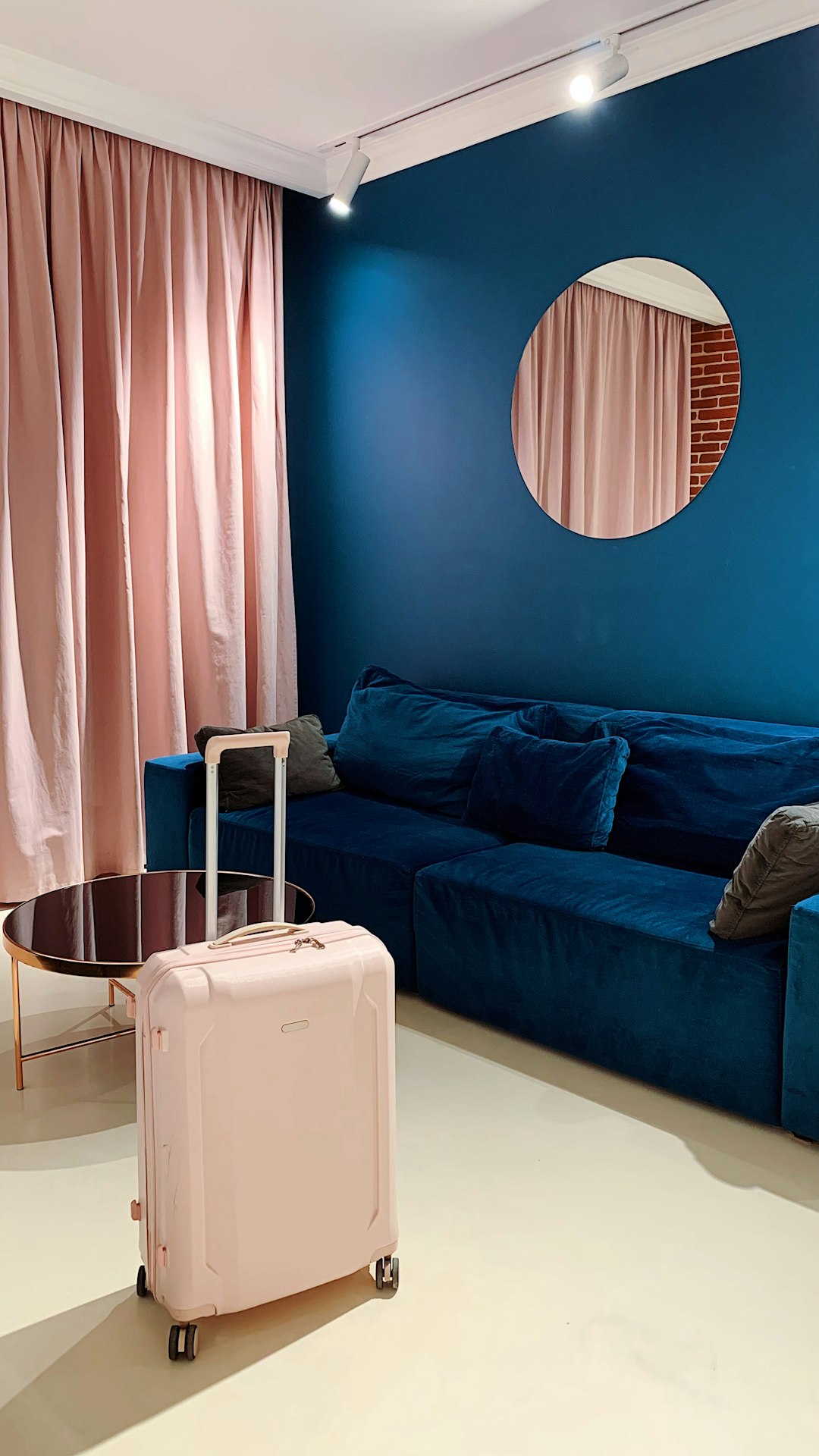
A TRA rental can be many types of property. It does not have to be a beach house with white curtains and a basket of lemons. Though that does sound nice.
- A full house rented to vacation guests.
- An apartment used for weekend stays.
- A condo listed for tourists.
- A spare room rented to short-term visitors.
- A guest suite with its own entrance.
- A cabin or cottage used for holiday stays.
The key detail is the length of stay. If guests come and go often, it is probably a TRA-style rental.
How Long Is “Short-Term”?
This depends on local rules. In many places, a short-term rental is a stay of fewer than 30 days. In other places, the number may be 28 days, 31 days, or even 90 days.
Yes, rental laws love tiny details. They are like that friend who reads every menu note.
Before calling a property a TRA rental, check your local rules. The name and limits may be different where you live.
Basic Requirements for a TRA Rental
Running a TRA rental is not just “put it online and wait for bookings.” There are rules. Some are simple. Some are boring. But most are important.
Here are the most common requirements:
- Local permit or license: Many cities require a rental permit before you accept guests.
- Zoning approval: The property must be in an area where short stays are allowed.
- Registration number: Some places give you a number that must appear on listings.
- Safety equipment: Smoke detectors, carbon monoxide alarms, fire extinguishers, and clear exits may be required.
- Insurance: Regular homeowner insurance may not cover short-term guests.
- Taxes: You may need to collect lodging tax, occupancy tax, or tourist tax.
- Guest rules: Noise, parking, trash, and party rules may need to be posted.
- Owner or host contact: Some cities require a local contact for emergencies.

Why Do These Rules Exist?
TRA rentals affect more than the owner and the guest. They affect neighbors too. More visitors can mean more cars, more noise, and more trash. Nobody wants a 2 a.m. suitcase parade in the hallway.
Rules help protect guests. They also protect the neighborhood. And they help cities collect taxes from tourism.
In many places, TRA rentals have grown fast. So cities created rules to keep things fair and safe.
TRA Rental vs. Traditional Rental Property
A traditional rental property is usually leased to one tenant for a longer time. That could be six months, one year, or more. The tenant moves in and treats the place like home.
A TRA rental is different. Guests stay for shorter periods. They usually bring luggage, not furniture. They expect clean towels, easy check-in, and maybe decent coffee.
| Feature | TRA Rental | Traditional Rental |
|---|---|---|
| Stay length | Short stays, often under 30 days | Longer stays, often 6 to 12 months |
| Tenant type | Guests, tourists, business travelers | Residents or long-term tenants |
| Income | Can change each month | Usually steady monthly rent |
| Work level | More cleaning, messages, and turnover | Less daily management |
| Rules | Often needs special permits and taxes | Uses standard lease laws |
Money: Can a TRA Rental Earn More?
Yes, it can. A TRA rental may earn more per night than a traditional rental earns per day. That is the shiny part.
But there is a catch. Actually, there are several catches. Bookings can slow down. Seasons can change. Cleaning costs add up. Furniture breaks. Guests ask questions at weird hours.
A traditional rental may earn less each month, but it can be more stable. One tenant. One lease. One payment schedule. Less drama. Usually.
Work: Is a TRA Rental More Hands-On?
Yes. Much more.
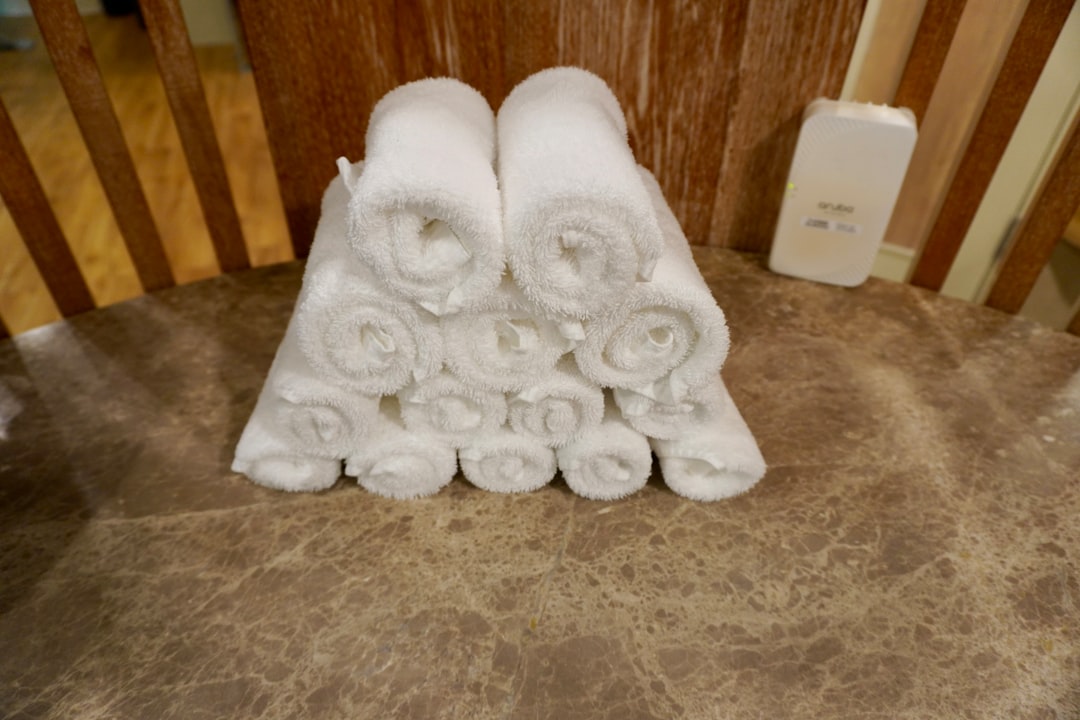
A TRA rental is closer to running a tiny hotel. You need to think about beds, towels, locks, cleaning, Wi-Fi, check-in, reviews, and guest messages.
You may need to:
- Clean after every stay.
- Restock soap, toilet paper, and coffee.
- Answer guest questions fast.
- Fix problems quickly.
- Manage pricing and calendars.
- Handle reviews and complaints.
Who Is a TRA Rental Best For?
A TRA rental may be a good fit if you want flexible use of the property. For example, you may want to use the home yourself sometimes. Then rent it to guests when you are away.
It can also work well in tourist areas, business districts, or places near hospitals, colleges, beaches, ski spots, or event venues.
But it is not perfect for everyone. If you want quiet, steady income with fewer daily tasks, a traditional rental may be better.
Quick Checklist Before Starting a TRA Rental
Before you buy furniture or write a cute listing title, slow down. Use this checklist first.
- Check local laws. Make sure TRA rentals are allowed.
- Ask about permits. Do not guess.
- Review HOA rules. Condo boards can be very strict.
- Calculate all costs. Include cleaning, supplies, taxes, repairs, and platform fees.
- Get proper insurance. Guests change the risk.
- Create house rules. Be clear about noise, pets, smoking, parking, and parties.
- Plan for emergencies. Guests need help when things break.
Final Thoughts
A TRA rental is a short-term rental for temporary guests. It can be exciting. It can also be busy. It may bring strong income, but it usually brings more rules and more work.
A traditional rental is simpler in many ways. It is slower, steadier, and less like a hotel. A TRA rental is faster, more flexible, and more guest-focused.
The best choice depends on your property, your local laws, your budget, and your patience. Especially your patience. Because someone will always ask where the Wi-Fi password is. Even when it is printed in giant letters on the fridge.