
Project Management Professional certification, better known as the PMP, is one of the most recognized credentials for project managers worldwide. Issued by the Project Management Institute, or PMI, it signals that you can lead teams, manage budgets, handle risk, communicate with stakeholders, and deliver projects using predictive, agile, or hybrid approaches.
TLDR: To get PMP certified, you need qualifying project leadership experience, 35 hours of project management education or a CAPM certification, and a passing score on the PMP exam. For example, a marketing project lead with a bachelor’s degree and 36 months of experience coordinating campaigns, budgets, and vendors may qualify. The exam typically costs $405 for PMI members and $555 for nonmembers, with additional study costs ranging from under $100 to over $2,000 depending on your preparation method. Most candidates spend 6 to 12 weeks preparing, though timelines vary by experience and study intensity.
What Is the PMP Certification?
The PMP is designed for professionals who manage projects rather than simply participate in them. You do not need to have the job title “project manager,” but you do need to show that you have led and directed project work. That might include creating schedules, coordinating teams, managing vendors, tracking budgets, resolving risks, or reporting progress to executives.
What makes the PMP especially valuable is its flexibility across industries. It is used in IT, construction, healthcare, finance, manufacturing, consulting, education, government, marketing, and many other fields. The exam also reflects how projects are actually run today, covering traditional waterfall methods as well as agile and hybrid delivery.

PMP Certification Requirements
Before applying, you must meet PMI’s education and experience requirements. There are two main eligibility paths:
- If you have a four-year degree: You need at least 36 months of experience leading and directing projects within the past eight years, plus 35 hours of project management education or an active CAPM certification.
- If you have a high school diploma or associate degree: You need at least 60 months of experience leading and directing projects within the past eight years, plus 35 hours of project management education or an active CAPM certification.
The 35 education hours can come from an online course, university program, employer training, boot camp, or PMI Authorized Training Partner. The key is that the training must cover project management topics and provide proof of completion.
When documenting experience, focus on your actual responsibilities. PMI wants to see that you led project activities, not just attended meetings or completed assigned tasks. Use clear descriptions such as “managed a six-person implementation team,” “controlled a $250,000 project budget,” or “coordinated stakeholder approvals across three departments.”
Step-by-Step: How to Get PMP Certified
-
Confirm your eligibility.
Review your education level, project experience, and training hours. If you are close but not yet eligible, consider completing a CAPM certification or gaining more leadership experience before applying.
-
Create a PMI account.
You can start your application on the PMI website. A PMI membership is optional, but it can reduce your exam fee and provide access to study resources, webinars, and project management publications.
-
Complete the PMP application.
The application asks for your education, training, and project experience. For each project, you will usually describe the objective, your role, the organization, dates, and outcomes. Be concise, accurate, and consistent.
-
Wait for approval or audit.
Some applications are selected for audit. If that happens, you may need to provide copies of diplomas, training certificates, and signed verification of your project experience. An audit is not a rejection; it is simply a documentation check.
-
Pay the exam fee and schedule your test.
Once approved, you can pay for the exam and schedule it at a testing center or as an online proctored exam, depending on availability in your region.
-
Study with a structured plan.
The PMP exam is challenging because it tests judgment, not memorization alone. Plan to study the exam content outline, agile principles, people management, risk, stakeholder engagement, scheduling, and business value delivery.
-
Take and pass the exam.
The exam includes 180 questions and lasts 230 minutes. Questions may include multiple choice, multiple response, matching, hotspot, and fill-in-the-blank formats. You will also receive two short breaks during the exam.
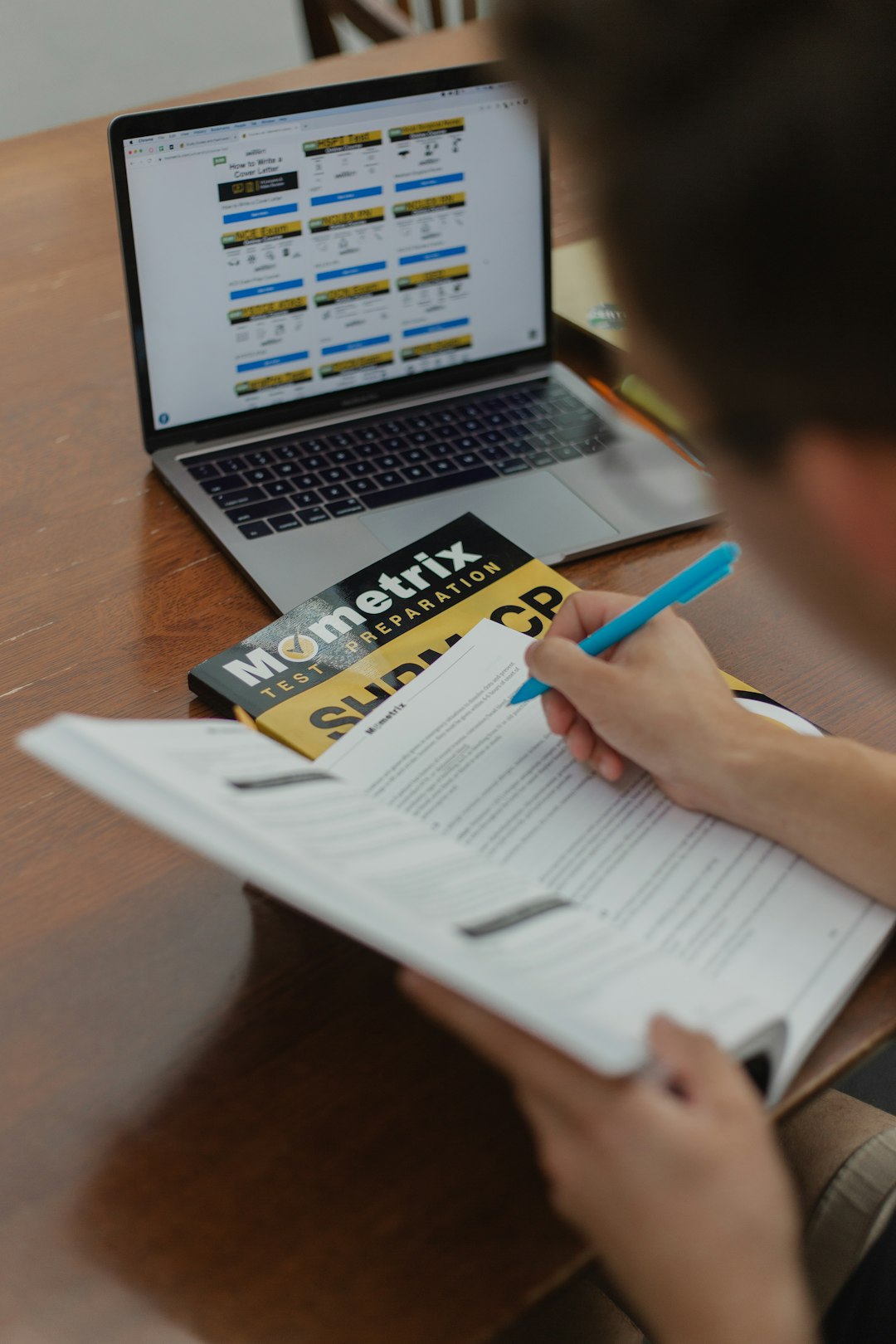
What Does the PMP Exam Cover?
The PMP exam is built around three major domains:
- People: Leading teams, resolving conflict, mentoring, communication, emotional intelligence, and collaboration.
- Process: Planning, scope, schedule, cost, quality, risk, procurement, change control, and delivery methods.
- Business Environment: Compliance, organizational change, benefits, strategy, and project value.
The exam includes questions about predictive, agile, and hybrid project environments. For instance, you may need to decide whether to escalate a stakeholder conflict, adjust a sprint backlog, manage a change request, or respond to a delayed vendor deliverable. The best answer is often the one that supports collaboration, transparency, value delivery, and proactive leadership.
How Much Does PMP Certification Cost?
The basic PMP exam fee is usually $405 for PMI members and $555 for nonmembers, though PMI may adjust prices and regional taxes can apply. PMI membership has its own annual cost, but it may be worthwhile if you plan to use member resources or renew your credential long term.
Your total cost depends on how you prepare. A realistic budget might include:
- Exam fee: About $405 to $555
- PMI membership: Optional, commonly around $150 per year, depending on region and fees
- Training course: $50 to $2,000 or more, depending on whether it is self-paced, live online, or in person
- Study guide: $30 to $100
- Practice exam simulator: $50 to $200
- Retake fee, if needed: Often lower for PMI members than nonmembers
For many candidates, the total investment falls between $700 and $1,500. A lower-cost path might involve an affordable online course, one strong study guide, and practice exams. A higher-cost path may include instructor-led boot camps, coaching, and employer-sponsored training.
How Long Does It Take to Prepare?
Preparation time depends on your background. Experienced project managers may be ready in six weeks, while those new to PMI terminology may need three months or more. A practical study plan is to spend 7 to 10 hours per week reviewing concepts, answering practice questions, and analyzing mistakes.
Do not rely only on reading. The PMP exam is scenario-based, so practice questions are essential. After every mock exam, review why each answer is right or wrong. This helps you learn PMI’s preferred mindset: communicate first, assess before acting, involve the team, manage risks early, and focus on delivering value.

After You Pass: Maintaining the PMP
Passing the exam is not the end of the journey. To keep your PMP active, you must earn 60 professional development units, or PDUs, every three years. PDUs can come from learning activities, webinars, courses, conferences, creating content, volunteering, or working as a project management professional.
You will also pay a renewal fee at the end of each three-year cycle. The renewal fee is typically lower for PMI members than for nonmembers. This continuing education requirement helps ensure that PMP holders stay current as project management practices evolve.
Is the PMP Worth It?
For many professionals, yes. The PMP can strengthen your resume, help you qualify for senior roles, and give you a structured language for managing complex work. It is especially useful if you want to move from informal project coordination into formal project leadership.
However, the value depends on your goals. If your industry recognizes PMI credentials, if you manage cross-functional work, or if job postings in your target role list PMP as preferred or required, the certification can be a strong investment. If you are early in your career and lack the required experience, the CAPM may be a better first step.
Getting PMP certified takes planning, documentation, study, and financial investment, but the process is straightforward once you understand the requirements. Build your eligibility, choose a preparation method that fits your learning style, practice consistently, and approach the exam as a test of leadership judgment. With the right preparation, the PMP can become more than three letters after your name; it can be a practical framework for leading projects with confidence.