
Problems love to hide. They sneak into products, processes, shipments, and customer feedback. Then everyone asks the big question: “Why did this happen?” That is where 8D software enters the room, wearing a detective hat and holding a checklist.
TLDR: 8D software helps teams solve problems using the 8 Disciplines method. It guides people from issue discovery to root cause analysis, corrective action, and prevention. It makes the process faster, clearer, and easier to track. Think of it as a smart problem-solving map for teams.
What Is 8D?
8D stands for Eight Disciplines. It is a structured method used to solve serious problems. It is common in manufacturing, automotive, aerospace, healthcare, and other industries where quality matters a lot.
The goal is simple. Find the real cause of a problem. Fix it. Make sure it does not come back.
That sounds easy. But real problems are often messy. One defect may have five possible causes. One complaint may involve three teams. One “quick fix” may create two new problems. Fun, right?
8D brings order to the chaos. It breaks problem-solving into clear steps.
The 8 Disciplines in Simple Words
Here are the 8D steps, without the heavy jargon:
- D1: Build the team. Pick the right people. Include people who know the process.
- D2: Describe the problem. Be clear. What happened? Where? When? How often?
- D3: Contain the issue. Stop the problem from spreading. Protect the customer now.
- D4: Find the root cause. Dig deep. Do not stop at the first answer.
- D5: Choose corrective actions. Decide what will fix the true cause.
- D6: Implement the actions. Put the fix into place. Track what happens.
- D7: Prevent repeat problems. Update systems, training, checks, or designs.
- D8: Thank the team. Celebrate the win. People like that part.
Each step matters. Skip one, and the problem may return like a movie villain in a sequel.
So, What Is 8D Software?
8D software is a digital tool that helps teams manage the whole 8D process. Instead of using scattered spreadsheets, emails, sticky notes, and “I think Dave has the latest version,” everything lives in one place.
The software guides users through each discipline. It stores evidence. It assigns tasks. It tracks deadlines. It creates reports. It keeps everyone on the same page.
In short, it turns a complex investigation into a clear, step-by-step workflow.
Why Root Cause Analysis Needs Help
Root cause analysis means finding the true reason a problem happened. Not the obvious reason. Not the easiest reason. The real one.
For example, a customer receives a damaged part. The first answer might be, “The worker packed it wrong.” But why did that happen?
- Was the work instruction unclear?
- Was the box too weak?
- Was the worker rushed?
- Was the part already damaged before packing?
- Was the inspection step skipped?
See the trap? If the team blames the worker and stops there, the damage may happen again. The real cause may be poor packaging design or a bad process.
8D software helps teams keep asking better questions. It helps them avoid guesswork. It supports tools like 5 Whys, fishbone diagrams, and cause-and-effect analysis.

How 8D Software Improves Root Cause Analysis
1. It Forces a Clear Problem Statement
A vague problem creates a vague solution. “Quality is bad” is not useful. “Part A has surface scratches on 12 percent of units from Line 2 during night shift” is much better.
8D software usually provides fields and prompts. These help teams define the problem in detail. The clearer the starting point, the better the investigation.
2. It Keeps Evidence in One Place
Root cause analysis needs facts. Photos, inspection reports, customer complaints, test results, machine logs, and notes all matter.
Without software, this information may hide in inboxes or folders. With 8D software, the evidence is attached to the case. Everyone can see it. No treasure hunt required.
3. It Helps Teams Use the Right Tools
Good software does not just store data. It guides thinking. It may include built-in templates for:
- 5 Whys
- Fishbone diagrams
- Risk scoring
- Action plans
- Verification checks
These tools help teams go deeper. They reduce the chance of jumping to conclusions.
4. It Improves Team Collaboration
Problems often cross departments. Quality may need production. Production may need engineering. Engineering may need purchasing. Purchasing may need a supplier. The chain gets long fast.
8D software lets people work together inside one system. Tasks can be assigned. Comments can be added. Updates can be seen in real time.
No more “I did not know that was my task.” The software remembers.
5. It Tracks Corrective Actions
Finding the root cause is only half the job. The team must fix it. Then they must prove the fix worked.
8D software tracks each corrective action. It shows who owns it, when it is due, and whether it is complete. It can also store proof, such as test results or audit findings.
This is important because a fix that is not verified is just a hopeful wish with a deadline.
6. It Prevents Repeat Problems
The best problem is the one that never returns. 8D software helps teams capture lessons learned. It can link problems to processes, products, suppliers, or equipment.
Over time, patterns appear. Maybe one machine causes many defects. Maybe one supplier has repeated issues. Maybe one process step is a drama magnet.
When teams see patterns, they can prevent future trouble.
What Features Should Good 8D Software Have?
Not all tools are the same. A strong 8D system should be easy to use and practical. Look for features like:
- Step-by-step 8D workflow
- Root cause analysis tools
- Task assignment and reminders
- Document and image attachments
- Approval workflows
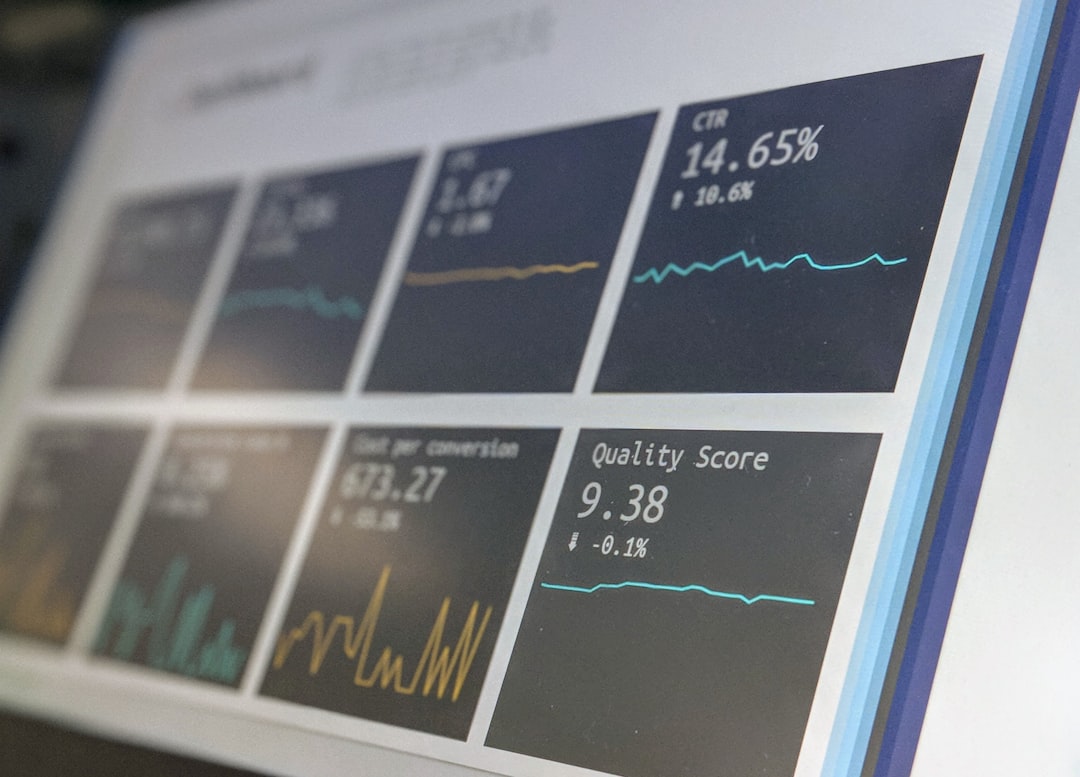
- Dashboards and reports
- Corrective action tracking
- Audit history
- Supplier or customer complaint links
It should also be simple. If the software is harder to use than the problem is to solve, people will avoid it.
A Quick Example
Imagine a company makes metal brackets. A customer reports that some brackets crack during assembly.
The team opens an 8D case in the software. They describe the issue. They add photos from the customer. They form a team with quality, engineering, production, and materials experts.
First, they contain the problem. They hold current stock and inspect shipments. Then they use a fishbone diagram and 5 Whys.
They discover the real cause. A heat treatment setting was changed after maintenance. The setting made the brackets too brittle.
The corrective action is clear. Restore the correct setting. Add a lockout control. Train maintenance staff. Add a verification check after future maintenance.
The software tracks every action. It stores proof. It closes the loop. The customer gets a clear report. The team gets peace of mind. The brackets stop cracking. Everyone breathes again.
Why It Matters
8D software is not magic. It will not solve problems by itself. People still need to think, test, question, and verify.
But it makes good problem-solving easier. It creates structure. It saves time. It keeps records clean. It helps teams focus on facts instead of opinions.
Most of all, it helps teams find the real root cause. That is the difference between fixing a symptom and fixing the problem.
Final Thoughts
8D software is like a GPS for problem-solving. It does not drive the car for you, but it stops you from wandering in circles.
When teams use it well, they solve issues faster. They reduce repeat defects. They improve customer trust. They also build a stronger quality culture.
So the next time a problem pops up, do not panic. Grab the data. Gather the team. Open the 8D software. Then follow the clues until the root cause has nowhere left to hide.