
Safety reporting is only as strong as the information behind it. When workplace incidents, near misses, injuries, equipment failures, or environmental events are recorded inconsistently, organizations lose the ability to identify risk patterns and correct hazards before they lead to serious harm. Accident investigation software helps companies move from reactive paperwork to structured, timely, and evidence-based reporting that supports prevention, accountability, and regulatory compliance.
TLDR: Accident investigation software improves safety reporting by standardizing how incidents are captured, investigated, analyzed, and closed out. It helps teams collect better evidence, identify root causes, assign corrective actions, and monitor trends across locations or departments. The result is faster reporting, clearer accountability, stronger compliance records, and a more proactive safety culture.
Why Traditional Safety Reporting Falls Short
Many organizations still rely on paper forms, spreadsheets, emails, or disconnected systems to report incidents. While these methods may seem familiar, they often create gaps that affect the quality and reliability of safety data. Reports may be submitted late, details may be missing, evidence may be stored separately, and corrective actions may be difficult to track.
In serious incidents, these weaknesses can have significant consequences. Investigators need accurate timelines, witness statements, photographs, equipment information, and environmental conditions. If this information is incomplete or scattered across multiple sources, the investigation becomes slower and less reliable.
Modern safety management requires more than documentation. It requires a dependable process that turns incident information into practical learning. This is where accident investigation software becomes valuable.

Standardized Incident Reporting
One of the most important ways accident investigation software improves safety reporting is by standardizing the information collected after an event. Instead of relying on free-form notes or inconsistent templates, the software guides users through structured reporting fields.
These fields may include:
- Date, time, and location of the incident
- Type of event, such as injury, near miss, property damage, spill, or equipment failure
- People involved, including employees, contractors, visitors, or witnesses
- Immediate causes and contributing factors
- Photographs, documents, and supporting evidence
- Initial response actions taken to control the hazard
This structured approach reduces ambiguity. It also ensures that supervisors, safety officers, and management receive comparable data across teams and sites. Over time, consistency makes it easier to measure performance and spot recurring risks.
Faster Reporting and Response
Delays in incident reporting can weaken investigations. Details fade, evidence changes, and witnesses may become harder to reach. Accident investigation software often allows employees and supervisors to report events immediately from a computer, tablet, or mobile device.
Faster reporting supports faster action. Once an incident is submitted, the system can automatically notify the appropriate safety personnel, department managers, or compliance teams. This reduces the chance that an incident sits unnoticed in an inbox or filing cabinet.
In high-risk industries such as construction, manufacturing, logistics, energy, and healthcare, speed matters. A near miss reported today may reveal a hazard that could injure someone tomorrow. By shortening the time between observation and response, software helps organizations act before risk escalates.
Better Evidence Collection
Accident investigations depend on facts. Software improves safety reporting by helping teams capture and organize evidence in one central place. Investigators can attach photographs, videos, signed statements, inspection records, training documents, permits, and maintenance logs directly to the incident file.
This creates a more complete record and reduces the likelihood of evidence being misplaced. It also supports transparency. When leaders, auditors, or regulators review an incident, they can see not only the final conclusion but also the information used to reach it.
Reliable evidence collection helps distinguish between assumptions and verified facts. That distinction is essential for fair investigations and effective corrective action.

Stronger Root Cause Analysis
A weak safety report may only describe what happened. A strong safety report explains why it happened. Accident investigation software supports root cause analysis by providing investigation tools such as cause trees, “five whys” workflows, contributing factor categories, and corrective action links.
For example, an injury may appear to be caused by an employee not wearing protective gloves. A deeper investigation may reveal that the gloves were not available in the correct size, the task risk assessment was outdated, and supervisors had not verified PPE supplies before work began. Without root cause analysis, the organization might blame behavior and miss system failures.
By guiding investigators through deeper questioning, software helps organizations identify underlying issues such as:
- Inadequate training or supervision
- Poor equipment maintenance
- Incomplete procedures
- Production pressure or staffing shortages
- Weak communication between departments
- Failure to recognize changing site conditions
This improves both the quality of reports and the effectiveness of prevention efforts.
Clear Corrective Action Tracking
Safety reporting does not end when the investigation is written. The most important question is whether the organization takes meaningful action to prevent recurrence. Accident investigation software strengthens this step by assigning corrective and preventive actions to responsible individuals with deadlines, priority levels, and completion requirements.
Managers can monitor which actions are open, overdue, completed, or verified. Safety teams can request proof of completion, such as photographs, revised procedures, training records, or inspection results. This creates accountability and prevents recommendations from being forgotten after the immediate concern has passed.
Corrective action tracking is one of the clearest signs of a mature safety system. It shows that the organization is not only recording incidents but actively learning from them.
Improved Trend Analysis and Safety Insights
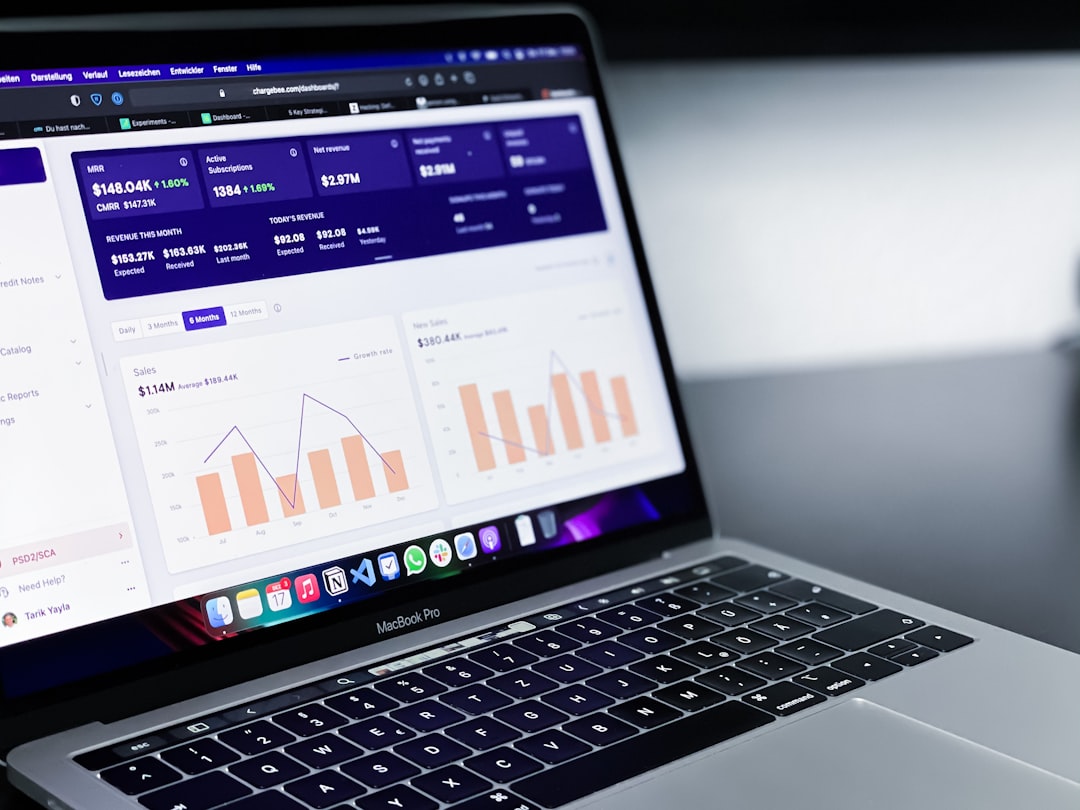
Individual incident reports are valuable, but the broader pattern is often more important. Accident investigation software can consolidate data across departments, job sites, business units, or regions. Dashboards and analytics help safety leaders identify trends that may not be visible in isolated reports.
For example, software may reveal that hand injuries are increasing during a specific shift, near misses are concentrated around one machine, or vehicle incidents occur more often at certain delivery locations. These insights allow organizations to target resources where they are needed most.
Common reporting metrics include:
- Total recordable incidents
- Lost time injuries
- Near miss frequency
- Incident severity by category
- Corrective action closure rates
- Recurring root causes
- Department or site comparisons
With accurate trend data, safety leaders can make decisions based on evidence rather than opinion. This supports better budgeting, training, staffing, and risk control.
Stronger Compliance and Audit Readiness
Regulatory agencies, insurers, and internal auditors often require organizations to demonstrate that incidents are properly reported, investigated, and addressed. Accident investigation software makes this process more efficient by maintaining organized, searchable records.
Instead of manually gathering paper files or searching through email chains, safety teams can retrieve reports, evidence, approvals, corrective actions, and closure documentation from a centralized system. This improves audit readiness and reduces administrative burden.
More importantly, it supports legal and regulatory defensibility. A well-maintained digital record can show that the organization responded promptly, investigated carefully, identified causes, and implemented corrective measures. In the event of a serious incident, that level of documentation can be critical.
Encouraging a More Open Reporting Culture
Technology alone cannot create a strong safety culture, but it can support one. When reporting is simple, accessible, and consistent, employees are more likely to report hazards, near misses, and minor incidents. Some systems also allow anonymous or confidential reporting, which can help employees raise concerns without fear of retaliation.
A serious safety culture treats near misses as opportunities to learn, not as inconveniences. Accident investigation software reinforces this approach by making reports visible, traceable, and actionable. Employees can see that their reports lead to real improvements, which builds trust in the process.
Conclusion
Accident investigation software improves safety reporting by creating a structured, timely, and accountable process from the first report through final corrective action. It enhances evidence collection, supports root cause analysis, strengthens compliance records, and gives leaders the data they need to prevent future incidents.
For organizations committed to protecting workers and reducing operational risk, this software is not merely an administrative tool. It is part of a serious safety management strategy that turns incident reporting into measurable improvement. When used consistently and supported by leadership, it helps build a safer, more transparent, and more resilient workplace.