
Forecasting SEO traffic is part science, part judgment, and part humility. Search behavior changes, rankings fluctuate, competitors move, and algorithms evolve. Still, a well-built SEO forecast can help teams set realistic targets, prioritize work, estimate ROI, and explain why organic growth takes time. The goal is not to predict the future perfectly; it is to create a useful model that connects SEO activity with likely business outcomes.
TLDR: Accurate SEO traffic forecasting starts with reliable historical data, realistic assumptions, and a clear understanding of rankings, search demand, and click-through rates. The best forecasts separate branded and non-branded traffic, account for seasonality, and model multiple scenarios instead of relying on a single number. Use forecasts as planning tools, not promises, and update them regularly as new data comes in.
Why SEO Traffic Forecasting Matters
SEO often requires months of work before results become obvious. That makes forecasting especially valuable. It helps marketers answer practical questions such as: How much traffic could we gain if we improve rankings? Which keyword groups deserve investment? How much revenue might organic search contribute next quarter?
A good forecast can also align expectations. Executives may want rapid growth, content teams may need direction, and SEO specialists may need budget for technical fixes, link building, or content production. A forecast gives everyone a shared view of what is possible, what is likely, and what depends on execution.
Start With Clean Historical Data
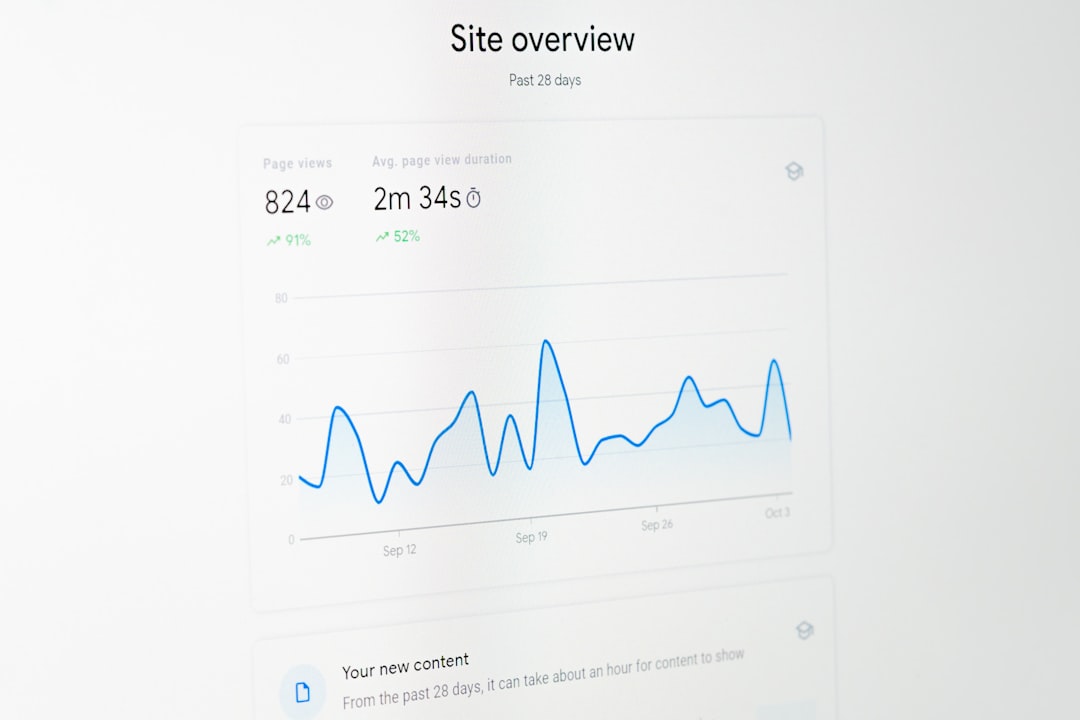
The foundation of any accurate forecast is trustworthy data. Begin by gathering information from tools such as Google Search Console, Google Analytics, rank trackers, keyword research platforms, and your CRM or ecommerce system if revenue forecasting is involved.
At minimum, collect:
- Organic sessions or clicks over the past 12 to 24 months
- Impressions from search results
- Average rankings for important keyword groups
- Click-through rates by position or page type
- Conversions and revenue from organic traffic
- Seasonal patterns, such as holiday spikes or summer slowdowns
Before using the data, clean it. Remove unusual anomalies where possible, such as tracking problems, site outages, analytics migrations, or one-time PR spikes. If a popular article went viral for reasons unrelated to SEO, it could distort your future projections. Likewise, if tracking was broken for two weeks, you should not treat that dip as normal demand.
Separate Branded and Non-Branded Traffic
One of the most common forecasting mistakes is mixing branded and non-branded SEO traffic. Branded traffic comes from people searching for your company, products, or specific brand terms. Non-branded traffic comes from broader searches related to topics, problems, or categories.
This distinction matters because branded traffic is often influenced by advertising, word of mouth, PR, email campaigns, and offline activity. Non-branded traffic is usually more directly affected by content quality, technical SEO, backlinks, and topical authority.
If you combine them, your forecast may become misleading. A brand campaign could make SEO look stronger than it really is, while a drop in brand awareness could hide strong non-branded ranking improvements. For better accuracy, forecast these traffic types separately and then combine them for a total view.
Use Keyword Groups, Not Just Individual Keywords
Forecasting every keyword one by one can become messy and unreliable, especially for large sites. Instead, group keywords by intent, topic, product category, funnel stage, or page type.
Useful keyword groups might include:
- Informational keywords, such as “how to choose running shoes”
- Commercial keywords, such as “best running shoes for flat feet”
- Transactional keywords, such as “buy trail running shoes”
- Local keywords, such as “running shoe store near me”
Grouping keywords makes patterns easier to see. It also helps you forecast based on the type of SEO work being done. For example, a content strategy may mainly affect informational keywords, while improvements to product pages may affect transactional terms.
Estimate Search Demand Realistically
Search volume is useful, but it is not exact. Keyword tools provide estimates, and different tools may show very different numbers. To avoid overconfidence, treat search volume as a directional signal rather than a precise measurement.
Look at historical impressions in Google Search Console whenever possible. Impressions show how often your pages actually appeared in search results, which can be more relevant than third-party keyword volume. Also remember that search demand changes over time. Some topics grow because of trends, regulations, or consumer behavior, while others decline.
For seasonal businesses, compare year-over-year data rather than simply projecting from the last few months. An online gift store, for example, should not use December traffic as the baseline for January expectations.

Apply Click-Through Rate Assumptions Carefully
Rankings alone do not guarantee traffic. A page in position one may receive a high share of clicks, but the actual click-through rate depends on the search result page. Featured snippets, ads, shopping results, video carousels, local packs, and AI-generated answers can all reduce traditional organic clicks.
When forecasting traffic from ranking improvements, use realistic CTR curves. If your own Search Console data shows that position three receives a 9% CTR for a keyword group, do not blindly assume 18% because an industry study says so. Your actual performance is usually the better guide.
You can create a simple forecast formula:
Estimated traffic = Search impressions or volume × expected CTR
For example, if a keyword group has 50,000 monthly searches and you expect to earn an average CTR of 6%, the forecasted monthly traffic would be 3,000 visits. However, this should be adjusted based on ranking difficulty, SERP features, seasonality, and your current authority.
Model Multiple Scenarios
A single forecast number can create false certainty. Instead, create at least three scenarios:
- Conservative: rankings improve slowly, technical fixes take longer, and competitors remain strong
- Expected: planned SEO work is completed on schedule and produces typical results
- Aggressive: content performs above expectations, rankings rise faster, and conversion pages gain visibility
This approach is more honest and more useful. It shows stakeholders a range of possible outcomes and makes risk easier to discuss. For example, instead of saying, “SEO will bring 100,000 visits in six months,” you might say, “Based on current assumptions, we expect 75,000 to 110,000 monthly visits, with 90,000 as the most likely scenario.”
Factor in SEO Initiatives
Your forecast should reflect what will actually be done. If the company plans to publish 50 high-quality articles, fix major crawl issues, improve internal linking, and refresh old content, the forecast should look different from a scenario where no meaningful SEO work is scheduled.
Map expected impact to specific initiatives:
- Technical SEO: improved indexation, crawl efficiency, site speed, and structured data
- Content creation: new rankings for additional keywords and topics
- Content updates: recovery or growth for pages that have lost freshness
- Internal linking: better distribution of authority to important pages
- Authority building: improved ability to compete for difficult keywords
Be careful not to assume every published page will succeed. Some content will outperform expectations, some will underperform, and some may take months to rank. A realistic model accounts for this unevenness.

Connect Traffic to Business Outcomes
Traffic alone is rarely the final goal. To make your forecast more valuable, connect projected traffic to conversions, leads, sales, or revenue. Use historical conversion rates by landing page type or keyword intent whenever possible.
For example, informational blog traffic may convert at 0.5%, while product category traffic may convert at 2.5%. If you apply the same conversion rate to all organic visits, your revenue forecast may be far from reality.
A simple business forecast might look like this:
- Projected organic visits: 80,000 per month
- Estimated conversion rate: 1.5%
- Projected conversions: 1,200 per month
- Average order value: $75
- Projected monthly revenue: $90,000
This turns SEO from a traffic discussion into a business growth discussion.
Update the Forecast Regularly
An SEO forecast should not be created once and forgotten. Review it monthly or quarterly. Compare actual performance against projected performance and adjust assumptions based on what happened.
If rankings improved but traffic did not, investigate CTR, search demand, or SERP changes. If traffic increased but conversions did not, review intent match and landing page quality. If growth is ahead of schedule, identify what worked and double down.
Accurate forecasting improves over time because each update gives you more evidence. The best SEO teams treat forecasts as living models, not static promises.
Final Thoughts
Forecasting SEO traffic accurately requires data discipline, realistic assumptions, and a willingness to revise your model. Start with clean historical data, separate traffic types, group keywords intelligently, account for CTR and seasonality, and build multiple scenarios. Most importantly, connect your forecast to actual business outcomes.
SEO will always include uncertainty, but uncertainty does not make forecasting pointless. A thoughtful forecast helps teams make smarter decisions, invest with more confidence, and understand the path from search visibility to measurable growth.