PeopleNet-US is commonly associated with connected fleet operations, bringing together driver communication, vehicle data, compliance workflows, routing support, and back-office visibility in one digital environment. For transportation companies, the platform serves as a practical bridge between the cab, dispatch desk, safety team, and maintenance department.
TLDR: PeopleNet-US helps fleets monitor vehicles, communicate with drivers, manage compliance tasks, and review operational performance from a centralized platform. For example, a 75-truck regional carrier could use real-time location updates and driver status information to reduce check-call volume by 30% while improving dispatch accuracy. Its login process is generally straightforward, but users should confirm the official portal address, use secure credentials, and follow company access rules.
What PeopleNet-US Is Used For
PeopleNet-US is designed for fleets that need a digital command center for day-to-day transportation management. It supports the flow of information between drivers and fleet personnel, helping companies replace manual paperwork, phone calls, and delayed reporting with faster digital updates.
The platform is especially relevant for trucking companies, logistics providers, private fleets, construction fleets, and service-based transportation operations. While available features may vary by configuration, many organizations use PeopleNet-US to support fleet visibility, driver management, compliance tracking, messaging, vehicle monitoring, and reporting.
In practical terms, the system gives a dispatcher a clearer view of where vehicles are, what drivers are doing, and whether loads are progressing as expected. A safety manager may use the same environment to review hours-of-service information or exceptions, while maintenance personnel may look at vehicle fault codes or inspection data.
Core Fleet Management Features
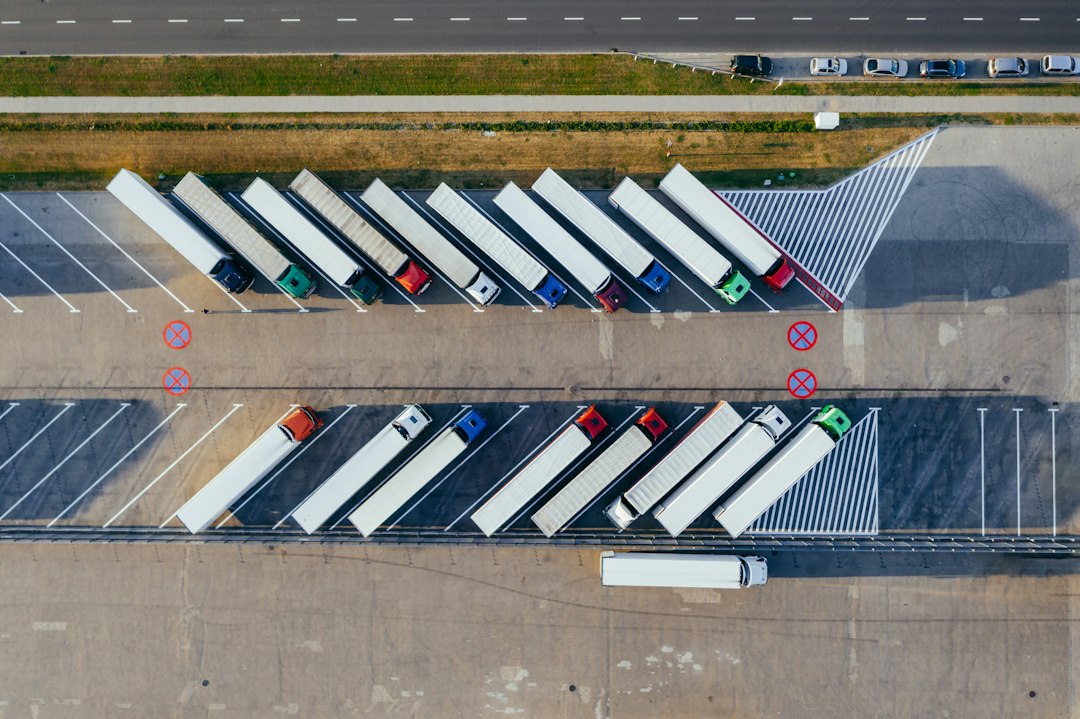
Real-time fleet visibility is one of the most valuable capabilities associated with PeopleNet-US. Fleet managers can monitor vehicle locations, review routes, and identify whether assets are on schedule. This helps reduce uncertainty, particularly when customers request accurate delivery updates.
Driver communication is another key function. Instead of relying entirely on phone calls or text messages, dispatchers can send structured messages, load details, route instructions, and updates through approved communication channels. This improves consistency and creates a record of communication between the office and the driver.
Compliance support is also central to modern fleet operations. Many fleets rely on electronic systems to manage hours of service, driver logs, inspection reports, and other regulatory requirements. PeopleNet-US may help safety teams review driver availability, identify violations, and maintain cleaner compliance records.
Vehicle diagnostics and maintenance insights can help companies act before small issues become expensive roadside failures. When connected properly, the platform may provide information related to engine data, fault codes, odometer readings, and inspection activity. This allows maintenance teams to schedule service more strategically.
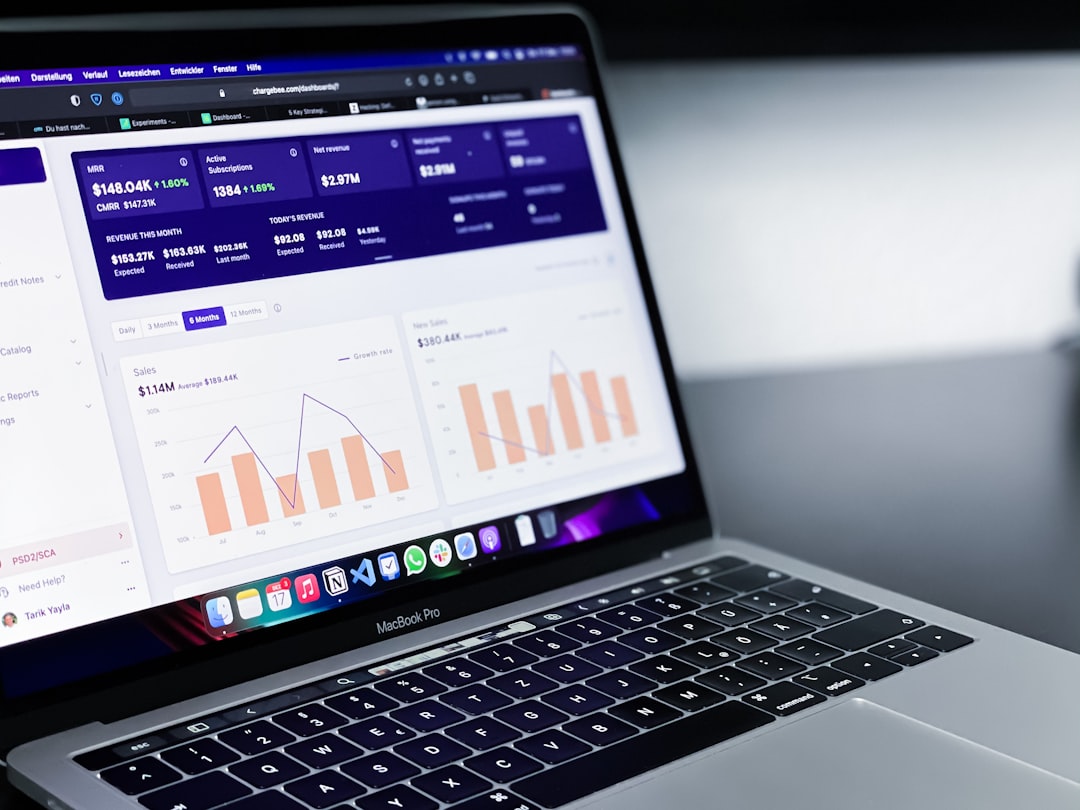
Reporting and analytics give managers a better understanding of performance. Reports may include vehicle utilization, idle time, driver activity, fuel-related trends, route performance, exceptions, and compliance summaries. Over time, these insights help companies reduce waste and make operational decisions based on measurable data rather than guesswork.
Benefits for Dispatchers, Drivers, and Managers
For dispatchers, PeopleNet-US reduces the need to manually track every truck by phone. When location and status information updates automatically, dispatch teams can focus more on solving problems, assigning loads, and communicating with customers.
For drivers, the platform can simplify daily workflows. Instead of handling stacks of paper forms, drivers may be able to complete electronic logs, inspections, messages, and trip-related tasks from an in-cab device or connected application, depending on the fleet setup.
For managers, the greatest benefit is visibility. A fleet director can see patterns across the operation, such as recurring delays, high idle percentages, equipment issues, or compliance risks. This makes it easier to set performance goals and track whether policies are actually working.
- Operations teams gain better trip and asset visibility.
- Safety teams can monitor driver logs and potential violations.
- Maintenance teams can review inspection and diagnostic data.
- Executives can use reports to evaluate cost and productivity trends.

PeopleNet-US Login Guide
The PeopleNet-US login process typically begins with the user visiting the official web portal provided by the fleet or system administrator. Because transportation platforms often contain sensitive driver, vehicle, customer, and route information, users should avoid unofficial links and should confirm the correct address with their company.
After reaching the login page, the user generally enters a username and password. Some organizations may also require additional security steps, such as multifactor authentication, company-specific access controls, or role-based permissions. These extra layers help protect operational data from unauthorized access.
A standard login process may look like this:
- Open a secure browser on a trusted device.
- Go to the official PeopleNet-US portal or company-provided login page.
- Enter the assigned username or user ID.
- Enter the password carefully, checking for capitalization or typing errors.
- Complete any required security verification.
- Access the dashboard based on the assigned user role.
If a user cannot log in, the issue is often related to an incorrect password, expired credentials, browser cache problems, locked accounts, or permission changes. In most cases, the user should contact the fleet administrator, help desk, or internal IT department rather than attempting repeated logins.
Security and Access Best Practices
Because PeopleNet-US can contain operational and personal information, account security is important. Companies should encourage users to create strong passwords, avoid shared accounts, and log out after each session, especially when using shared workstations.
Administrators should regularly review user roles. A dispatcher, mechanic, safety manager, and executive may not need the same permissions. Role-based access helps ensure that employees see only the information needed for their responsibilities.
Fleets should also train employees to recognize phishing attempts. A fake login page could be used to steal credentials. Users should be cautious with email links, unexpected password reset messages, and pages that do not match the company’s approved portal information.
Common Challenges and Practical Tips
Like any fleet technology platform, PeopleNet-US works best when users are trained and data is reviewed consistently. A platform may collect valuable information, but the fleet still needs clear processes for acting on alerts, exceptions, and reports.
One common challenge is incomplete adoption. If drivers do not update statuses consistently or office teams fail to use available reports, the company may not receive the full benefit. Training, written procedures, and periodic reviews can help improve usage.
Another challenge is data overload. Fleet systems can produce large amounts of information, and managers may struggle to decide what matters most. A practical approach is to focus first on a few measurable goals, such as reducing idle time by 10%, improving on-time delivery, or lowering compliance exceptions.
Who Should Use PeopleNet-US?
PeopleNet-US is most useful for organizations that manage multiple vehicles, drivers, routes, and compliance responsibilities. A small fleet may use it to bring structure to dispatch operations, while a larger enterprise may use it as part of a broader transportation technology ecosystem.
The platform is particularly valuable when a company needs better coordination across departments. When dispatch, safety, maintenance, and management teams all work from shared information, decisions become faster and more consistent.
FAQ
What is PeopleNet-US?
PeopleNet-US is a fleet management and connected vehicle platform environment used to support dispatching, driver communication, compliance, vehicle tracking, diagnostics, and reporting.
How does a user log in to PeopleNet-US?
A user should visit the official portal provided by the fleet or administrator, enter the assigned username and password, and complete any required security verification.
What should a user do if the login does not work?
The user should check the username and password, clear the browser cache if needed, and contact the company administrator or IT support if the account is locked or credentials have expired.
Can PeopleNet-US help with compliance?
Yes, many fleets use PeopleNet-US-related tools to support electronic logs, hours-of-service monitoring, inspections, and safety review processes.
Is PeopleNet-US only for large trucking companies?
No. While large fleets may use advanced reporting and integrations, smaller fleets can also benefit from improved visibility, communication, and compliance workflows.
Why is secure access important?
Secure access protects sensitive fleet information, including driver data, vehicle locations, customer details, and operational records. Strong passwords and verified portal access are essential.