
Amazon Pay and xAI represent two influential forces in the digital economy: one focused on trusted checkout and payment convenience, the other on advanced artificial intelligence, conversational systems, and real-time reasoning. While no formal integration should be assumed, a potential collaboration between Amazon Pay and xAI could create meaningful opportunities across commerce, fraud prevention, customer support, and embedded payments.
TLDR: A potential Amazon Pay and xAI integration could combine secure digital payments with AI-driven personalization, risk scoring, and conversational commerce. For example, an online retailer could use an xAI-powered assistant to recommend products while Amazon Pay completes checkout in seconds, potentially reducing cart abandonment by 10% to 20%. Such a model could also help merchants detect suspicious transactions faster and offer customers more intuitive payment experiences.
Why Amazon Pay and xAI Could Be a Strong Fit
Amazon Pay allows shoppers to use their Amazon account credentials and stored payment methods on third-party websites and apps. Its value is built around trust, speed, and familiarity. xAI, known for its conversational AI capabilities and real-time information focus, could add intelligence to the payment journey by helping systems understand intent, context, and risk.
The broader payment industry is moving beyond simple transaction processing. Merchants increasingly need tools that can predict customer needs, identify fraud patterns, automate support, and personalize offers. In that environment, a potential connection between Amazon Pay and xAI could support a more adaptive commerce infrastructure, where checkout is not only faster but also smarter.
Conversational Commerce and AI-Assisted Checkout
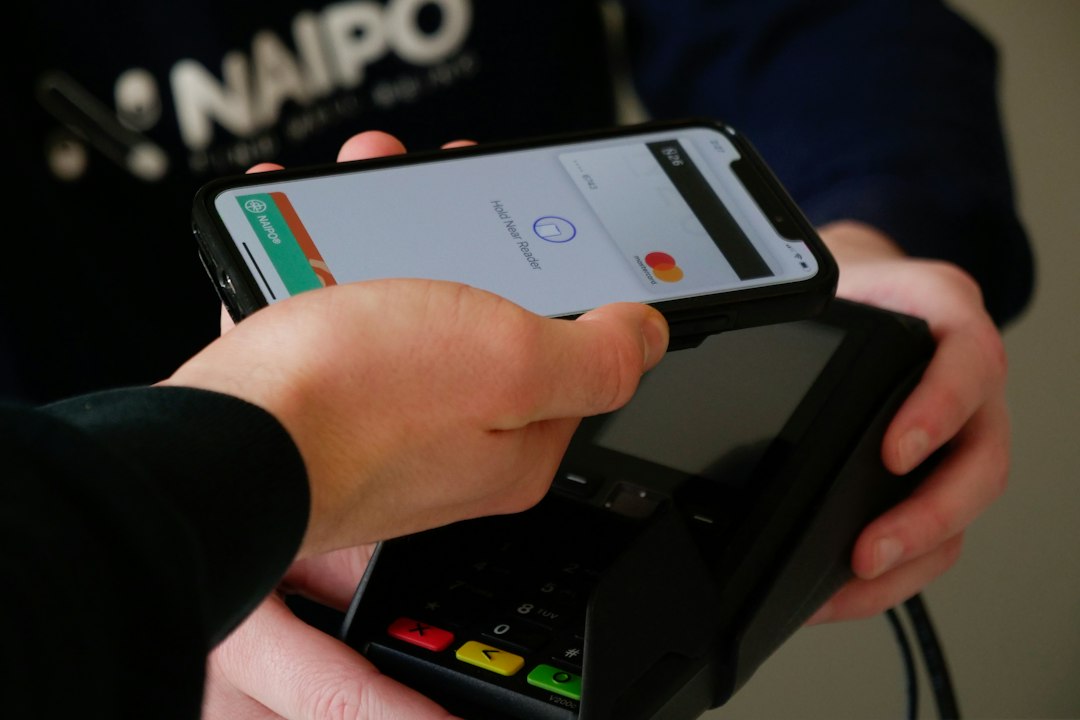
One of the most compelling use cases would be AI-assisted checkout. A conversational agent powered by xAI-style reasoning could guide customers through product selection, answer questions, compare options, and then hand off the transaction to Amazon Pay. This could be especially useful for complex purchases such as electronics, travel services, subscriptions, insurance products, or business software.
For instance, a shopper looking for a home office setup might ask an AI assistant to compare monitors, keyboards, and ergonomic chairs within a set budget. Once the shopper approves the selection, Amazon Pay could process the transaction with stored credentials. This would reduce friction by merging product discovery, decision support, and payment into one continuous experience.
Merchants could benefit from higher conversion rates because fewer customers would need to leave the buying flow to search for answers. A well-designed AI assistant could also reduce pressure on customer support teams by resolving payment, shipping, return, and product questions before checkout.
Fraud Detection and Risk Intelligence
Payment innovation is not only about speed. It is also about security. A potential Amazon Pay and xAI integration could improve fraud detection through advanced pattern recognition and contextual analysis. Traditional fraud systems often rely on fixed rules, such as blocking transactions from unusual locations or flagging large purchases. AI models can evaluate more nuanced signals, including behavioral patterns, session activity, device history, language anomalies, and purchasing intent.
An xAI-powered risk layer could identify suspicious behavior in real time and help Amazon Pay or merchants decide whether to approve, challenge, or decline a transaction. For example, if a transaction appears unusual but the customer’s behavior matches prior legitimate activity, the system could reduce false declines. This matters because false declines can damage customer trust and cost merchants significant revenue.
- Behavioral analysis: Detecting unusual navigation, typing, or checkout behavior.
- Contextual risk scoring: Evaluating transaction risk based on multiple live signals.
- Adaptive authentication: Requesting additional verification only when necessary.
- Merchant alerts: Explaining why a transaction may require review.
Personalized Offers and Loyalty Innovation
Another opportunity would be personalized payment-linked offers. If appropriate privacy safeguards were in place, AI could help merchants deliver relevant discounts, financing options, or loyalty rewards at checkout. Instead of showing every customer the same promotion, the system could analyze shopping context and present the most useful incentive.
For example, a returning customer purchasing pet supplies every month might receive a subscription discount at checkout. A first-time buyer considering a high-value item might see a limited-time free shipping offer. In both cases, Amazon Pay could provide the trusted payment experience while AI determines the best offer to improve conversion and customer satisfaction.
However, this type of personalization would need to be governed carefully. Customers increasingly expect transparency about how their data is used. Any integration would need clear consent, data minimization, and privacy controls to avoid creating a payment experience that feels intrusive.
AI Support for Merchants
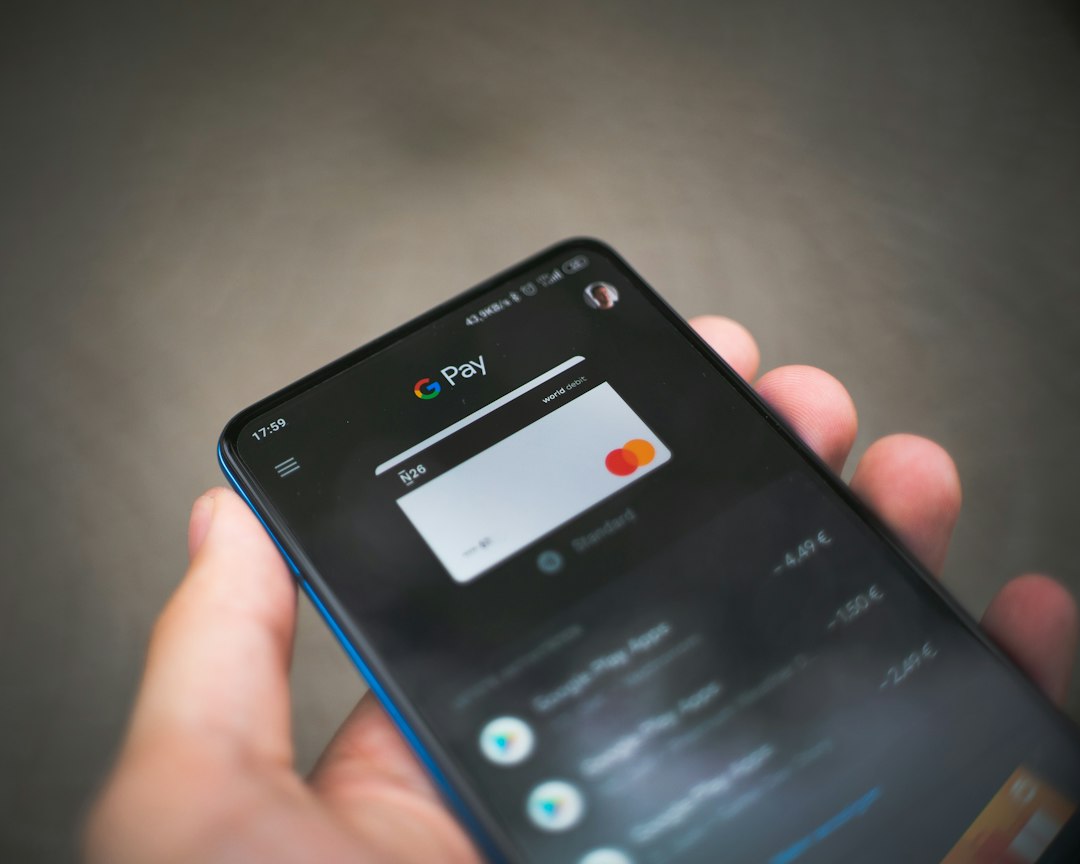
Small and mid-sized merchants often lack large data science teams. A potential Amazon Pay and xAI solution could provide AI-powered dashboards that explain payment performance in plain language. Instead of manually reviewing spreadsheets, merchants could ask questions such as which products have the highest checkout abandonment, which regions show increasing payment failures, or which promotions produced the best payment conversion.
This could turn payment data into practical business intelligence. A merchant might learn that mobile customers abandon checkout 18% more often when shipping costs appear late in the process. The AI system could then recommend displaying shipping estimates earlier or offering Amazon Pay as a faster option on mobile product pages.
Such tools could make sophisticated analytics more accessible. Rather than replacing merchant judgment, AI would act as a decision-support layer that highlights patterns, explains causes, and suggests possible actions.
Embedded Payments Across Digital Platforms
xAI’s connection to real-time conversational environments also raises possibilities for embedded payments. In the future, shoppers may increasingly discover products inside messaging platforms, social feeds, livestreams, AI assistants, and voice interfaces. Amazon Pay could potentially serve as a payment layer in these environments, allowing transactions to happen without redirecting shoppers to a traditional checkout page.
This model could be powerful for creators, service providers, and digital marketplaces. A customer might interact with an assistant about a fitness plan, select a subscription, and complete payment through Amazon Pay inside the same flow. The key innovation would be reducing the distance between intent and transaction.
Challenges and Considerations
Despite the potential, several challenges would need attention. Payment systems require extremely high reliability, regulatory compliance, and consumer protection. AI systems, meanwhile, can produce incorrect or incomplete responses if not carefully controlled. Any payment-related AI assistant would need strong guardrails to prevent misleading financial claims, incorrect refund guidance, or unauthorized transaction actions.
Data privacy would also be central. A responsible approach would likely separate sensitive payment credentials from AI training data and use strict permission frameworks. Customers and merchants would need confidence that personalization and risk analysis do not compromise security.
- Compliance: Payment and consumer protection rules would need to be followed across regions.
- Accuracy: AI responses related to orders, refunds, and billing must be dependable.
- Privacy: Sensitive transaction data should be protected and limited.
- Trust: Customers must understand when they are interacting with AI.

The Future of AI-Powered Payments
The future of payments is likely to be more intelligent, conversational, and embedded. Amazon Pay already offers a familiar checkout experience backed by a major commerce ecosystem. xAI could theoretically enhance that experience with advanced reasoning, natural language interaction, and real-time analysis.
The strongest opportunities would appear in AI-assisted checkout, fraud detection, merchant analytics, customer support, and personalized offers. If implemented responsibly, such innovation could make payments feel less like a separate step and more like a natural conclusion to a customer’s buying journey.
Ultimately, a potential Amazon Pay and xAI integration would not simply be about adding AI to checkout. It would be about creating a commerce experience where intelligence, trust, and convenience work together. For merchants, that could mean better conversion and lower risk. For customers, it could mean faster decisions, fewer obstacles, and more confidence at the moment of purchase.
FAQ
Is Amazon Pay currently integrated with xAI?
No confirmed official integration should be assumed. The discussion focuses on potential opportunities and possible future use cases.
What would be the main benefit of combining Amazon Pay with xAI?
The main benefit would be combining trusted payment infrastructure with AI-driven personalization, fraud analysis, customer support, and conversational checkout.
How could AI reduce cart abandonment?
AI could answer product and payment questions in real time, recommend relevant options, and guide shoppers through checkout, reducing confusion and hesitation.
Could AI make payments more secure?
Yes. AI could analyze transaction behavior, detect fraud patterns, reduce false declines, and trigger extra verification only when needed.
What risks would need to be managed?
Key risks include privacy concerns, inaccurate AI responses, regulatory compliance issues, and the need for clear customer consent and transparency.