
For large websites, an enterprise SEO audit is not a quick scan of titles, broken links, and rankings. It is a structured evaluation of thousands or even millions of URLs, complex templates, legacy systems, international sections, and competing stakeholder priorities. A strong audit helps an organization understand where search performance is leaking value and which fixes can create measurable business impact.
TLDR: An enterprise SEO audit should examine technical health, indexation, content quality, internal linking, site architecture, performance, and reporting systems. Large websites require scalable analysis because small issues can affect thousands of pages at once. The most effective audit prioritizes fixes by business value, implementation effort, and risk. A complete checklist helps SEO, engineering, content, and leadership teams work from the same roadmap.
What Makes an Enterprise SEO Audit Different?
An enterprise website often includes multiple page types, regional versions, product databases, blog archives, support centers, and user-generated content. Because of this scale, SEO problems are rarely isolated. A misconfigured template, canonical tag, or faceted navigation rule can create widespread ranking and crawling issues.
An enterprise audit must therefore combine technical SEO analysis, content evaluation, data validation, and strategic prioritization. It should not simply list errors; it should identify patterns, quantify impact, and assign ownership.
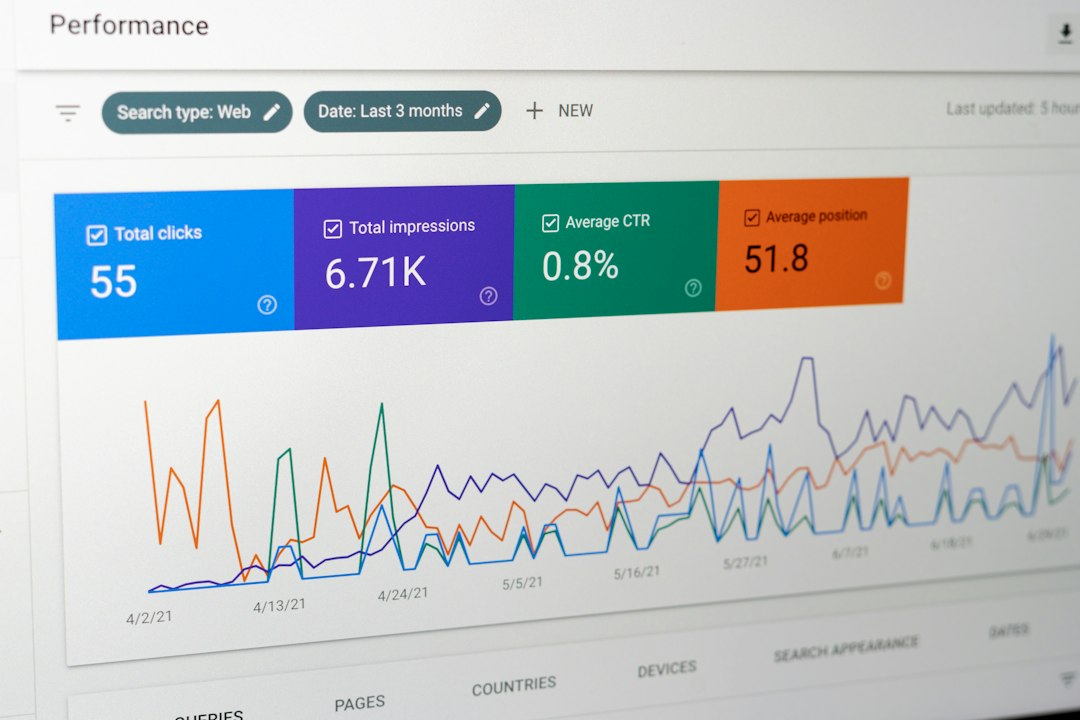
1. Crawlability and Indexation Checklist
The first step is to determine how search engines access, crawl, and index the website. For large sites, crawl budget can become a major issue, especially when duplicate pages, filters, or outdated URLs consume search engine resources.
- Review robots.txt: Ensure important sections are not blocked and unnecessary paths are restricted properly.
- Audit XML sitemaps: Confirm that sitemaps include only canonical, indexable, status 200 URLs.
- Check index coverage: Compare indexed pages against submitted pages, crawled pages, and high-value landing pages.
- Identify crawl traps: Look for infinite URL parameters, faceted navigation loops, session IDs, and calendar-style archives.
- Analyze log files: Determine how search engine bots actually crawl the site, not just how tools simulate crawling.
Key goal: Search engines should spend more time on valuable, indexable URLs and less time on duplicate or low-value pages.
2. Site Architecture and Internal Linking
Enterprise websites often grow organically over years, which can lead to buried pages, inconsistent navigation, and inefficient authority flow. A strong architecture helps both users and search engines understand hierarchy and importance.
- Map the site structure by directories, templates, and business categories.
- Check whether important pages are reachable within a reasonable click depth.
- Review navigation menus, breadcrumbs, footer links, and related content modules.
- Find orphan pages that receive no internal links.
- Evaluate anchor text for clarity, relevance, and consistency.
For large websites, internal linking should be treated as a scalable system. Automated modules, such as related products or recommended articles, should follow clear SEO rules rather than random placement.
3. Technical SEO Health
Technical issues can multiply quickly across enterprise templates. Auditors should evaluate both page-level issues and sitewide systems that control metadata, rendering, canonicalization, and structured data.
- Status codes: Identify 3xx chains, 4xx errors, soft 404s, and 5xx server errors.
- Canonical tags: Confirm canonical URLs are accurate, self-referencing where appropriate, and not conflicting with redirects or internal links.
- JavaScript rendering: Check whether important content, links, and metadata are accessible to search engines.
- Structured data: Validate schema markup for products, articles, breadcrumbs, FAQs, reviews, and organization details.
- Pagination: Ensure category and archive pages are crawlable and logically linked.
- HTTPS consistency: Confirm secure URLs are used across canonicals, redirects, sitemaps, and internal links.
Technical findings should be grouped by template whenever possible. This allows engineering teams to fix one system and improve thousands of URLs at once.
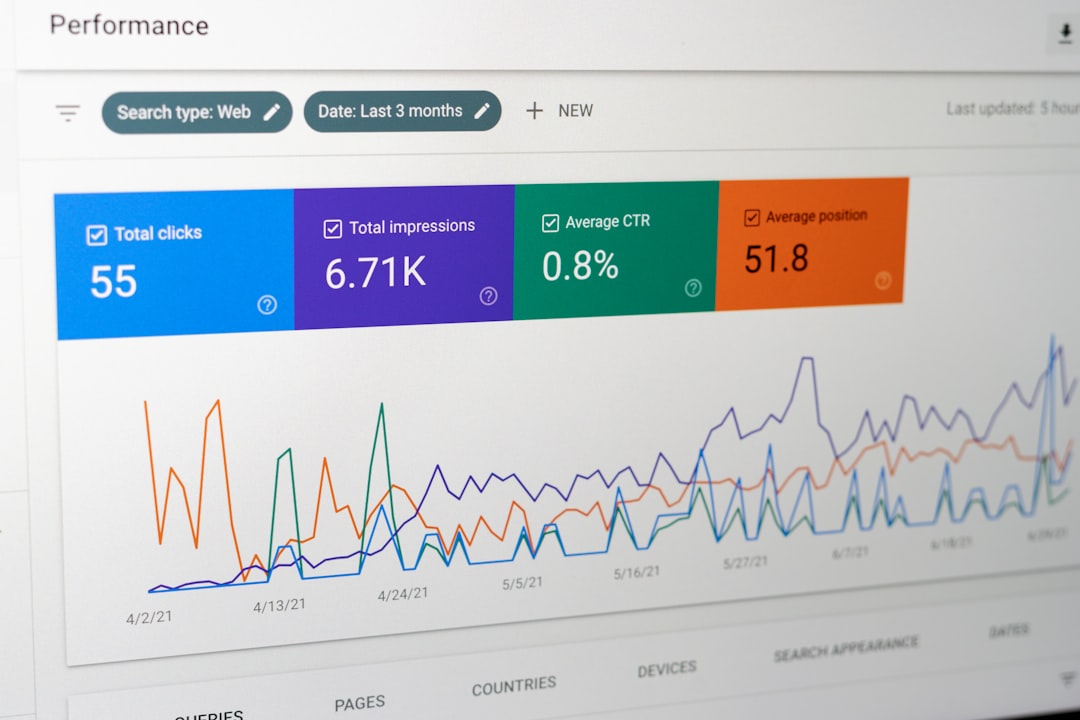
4. Content Quality and Duplication
Large sites often contain outdated pages, overlapping topics, thin category pages, duplicate descriptions, and content generated from databases. A content audit should identify which pages deserve improvement, consolidation, removal, or noindex treatment.
- Evaluate pages by organic traffic, conversions, impressions, backlinks, and keyword rankings.
- Find duplicate or near-duplicate content across categories, locations, languages, and product variations.
- Review title tags, meta descriptions, headings, and on-page copy at scale.
- Identify thin pages with little unique value.
- Check whether content satisfies search intent for target queries.
Content pruning should be handled carefully. Pages with backlinks, historical traffic, or strategic value may require updates or consolidation rather than deletion. The audit should recommend specific actions: keep, update, merge, redirect, noindex, or remove.
5. Keyword and Search Intent Review
An enterprise SEO audit should assess whether the website is targeting the right topics across the full customer journey. This includes commercial, informational, navigational, and support-related searches.
- Map priority keywords to existing pages.
- Identify keyword cannibalization between similar pages.
- Find missing content opportunities based on search demand.
- Compare rankings against major competitors.
- Review SERP features such as featured snippets, local packs, video results, and product grids.
Search intent is especially important. A page optimized for a high-volume keyword may still underperform if it does not match what searchers expect to find.
6. Core Web Vitals and Page Experience
Performance issues can affect crawl efficiency, user engagement, and conversions. Enterprise websites often rely on heavy scripts, personalization tools, testing platforms, and third-party tags, all of which can slow pages.
- Measure Largest Contentful Paint, Interaction to Next Paint, and Cumulative Layout Shift.
- Test key templates on mobile and desktop.
- Review image compression, lazy loading, caching, and server response times.
- Analyze third-party scripts and tag management systems.
- Prioritize performance fixes on revenue-driving templates first.
Enterprise audits should use both lab data and field data, since real users may experience issues that testing tools do not fully capture.
7. International and Multi-Location SEO
Many large websites serve multiple countries, languages, or local markets. In these cases, the audit should review targeting signals carefully.
- Validate hreflang tags and return references.
- Check country and language URL structures.
- Ensure translated pages are not incorrectly canonicalized to another language.
- Review local landing pages for unique, useful content.
- Confirm that currency, contact details, shipping information, and legal content match the target market.
International SEO mistakes can cause the wrong regional pages to rank, reducing relevance and conversions.
Image not found in postmeta8. Backlink and Authority Analysis
Although enterprise brands often attract links naturally, backlink quality still matters. The audit should review authority distribution, link risk, and missed opportunities.
- Identify top-linked pages and ensure they remain live and internally linked.
- Find broken backlinks pointing to 404 pages.
- Review toxic or suspicious link patterns.
- Compare domain authority and link growth against competitors.
- Look for digital PR, partnership, and content assets that could earn more links.
Redirecting valuable broken backlinks to relevant pages can create quick SEO gains with minimal content work.
9. Analytics, Tracking, and Reporting
An audit is only useful if performance can be measured accurately. Enterprise websites often have complex tracking setups across domains, subdomains, apps, and conversion funnels.
- Validate analytics tags and conversion events.
- Check Search Console properties for all subdomains and protocols.
- Segment reporting by page type, region, device, and business unit.
- Connect SEO metrics to leads, revenue, signups, or other meaningful outcomes.
- Create dashboards for executives, SEO teams, content teams, and developers.
The final audit deliverable should include a prioritized roadmap. Each recommendation should explain the issue, affected URLs, estimated impact, implementation difficulty, and responsible team.
FAQ
How often should an enterprise SEO audit be performed?
A comprehensive audit is usually performed once or twice per year. However, technical monitoring, log analysis, and performance checks should happen continuously for large websites.
How long does an enterprise SEO audit take?
Depending on the size and complexity of the website, it may take several weeks to a few months. Sites with international sections, migrations, or millions of URLs typically require deeper analysis.
What is the most important part of an enterprise SEO audit?
The most important part is prioritization. Large websites may have thousands of issues, but the audit must identify which fixes will produce the greatest business impact.
Who should be involved in the audit process?
SEO specialists, developers, product managers, content teams, analytics teams, and business stakeholders should all be involved. Enterprise SEO success depends on cross-functional execution.
Should every SEO issue be fixed?
No. Some issues have minimal impact or require too much effort compared with the expected return. A strong audit separates critical problems from low-priority improvements.