
The pest control industry is highly local, highly competitive, and often driven by urgent customer needs. When a homeowner discovers termites, bed bugs, rodents, ants, or cockroaches, that person usually searches online for immediate help. For exterminators, a strong digital marketing strategy can mean the difference between being the company that gets the call and being overlooked by competitors.
TLDR: Exterminators can grow steadily by combining local SEO, PPC advertising, and social media marketing. SEO helps pest control companies appear in organic searches and Google Maps, while PPC captures urgent leads from people ready to book service. Social media builds trust, educates homeowners, and keeps the brand visible between pest emergencies. The strongest results come from tracking leads, improving landing pages, and maintaining a consistent local presence.
Why Digital Marketing Matters for Exterminators
Most pest control customers do not spend weeks comparing providers. They often act quickly because infestations create stress, health concerns, and property risks. This makes digital visibility especially important. If an exterminator appears at the top of search results, has strong reviews, presents clear service information, and offers easy contact options, that company has a major advantage.
Digital marketing also allows pest control businesses to target specific service areas, seasonal pest issues, and high-value services such as termite inspections, bed bug treatments, rodent control, mosquito control, and commercial pest management. Instead of relying only on word of mouth or print advertising, an exterminator can use online channels to reach people at the exact moment they need help.

SEO for Exterminators: Building Long-Term Visibility
Search engine optimization, or SEO, helps an exterminator appear in unpaid search results when potential customers look for pest control services. Because pest control is usually location-based, local SEO is one of the most valuable marketing investments for exterminators.
1. Optimize the Google Business Profile
A complete and accurate Google Business Profile can help an exterminator appear in the local map pack. This is often one of the first areas customers see when searching for terms like exterminator near me or termite control in city name.
An effective profile should include:
- Correct business name, address, and phone number
- Primary and secondary pest control categories
- Service areas and business hours
- High-quality photos of technicians, vehicles, equipment, and office signage
- Detailed service descriptions
- Regular posts about seasonal pest issues and promotions
- A steady flow of authentic customer reviews
Reviews are especially important. A pest control company with many recent, positive reviews will often earn more trust than a competitor with limited feedback. The company should encourage satisfied customers to leave reviews after completed services, while also responding professionally to both positive and negative comments.
2. Create Service-Specific Website Pages
A pest control website should not rely on one general services page. Search engines and customers both benefit from clear, focused pages for each major service. For example, an exterminator may need pages for:
- Termite control
- Rodent removal
- Bed bug treatment
- Ant control
- Cockroach extermination
- Spider control
- Flea and tick treatments
- Mosquito control
- Commercial pest control
Each page should explain the problem, signs of infestation, treatment options, prevention tips, and why the company is qualified to help. This gives search engines more relevant content to rank and gives customers the confidence to request service.
3. Target Local Keywords
Keyword research helps an exterminator understand what customers are searching for. Useful keywords often combine a pest, a service, and a location. Examples include bed bug exterminator in Dallas, termite inspection in Tampa, or rodent control near Phoenix.
Local keywords should be used naturally in page titles, headings, meta descriptions, body text, image alt text, and internal links. However, keyword stuffing should be avoided. The content should sound helpful and professional, not repetitive or forced.
4. Build Location Pages for Service Areas
If a company serves multiple cities or neighborhoods, individual location pages can improve local visibility. Each page should include unique information about that area, common pest problems, nearby service coverage, testimonials from local customers, and clear contact options.
For example, a pest control company serving several suburbs can create well-written pages for each suburb instead of listing every city on one generic page. This helps the company rank for more local searches while creating a better user experience.
5. Publish Helpful Pest Control Content
Blog content can attract customers earlier in the decision-making process. Articles such as How to Tell If a Home Has Termites, Why Ants Keep Coming Back, or What to Do Before a Bed Bug Treatment can educate readers and position the exterminator as a trusted expert.
Seasonal content is also valuable. In spring and summer, topics may focus on mosquitoes, ants, fleas, ticks, and wasps. In fall and winter, content may cover rodents, spiders, cockroaches, and overwintering pests. This type of content supports SEO while giving the company useful material to share on social media and email campaigns.
PPC for Exterminators: Capturing Ready-to-Book Leads
Pay-per-click advertising, especially through Google Ads, can help exterminators appear at the top of search results almost immediately. PPC is particularly powerful for emergency or high-intent searches, such as bed bug exterminator near me or same day pest control.
1. Focus on High-Intent Keywords
Not every keyword deserves ad spend. An exterminator should prioritize searches that show strong buying intent. Keywords such as pest control company, exterminator near me, termite treatment cost, and emergency rodent removal are more likely to produce leads than broad educational searches.
Negative keywords are equally important. A company may want to exclude terms like DIY, home remedy, free, or jobs to avoid paying for irrelevant clicks.
2. Use Service-Specific Ad Groups
PPC campaigns perform better when they are organized by service. Instead of putting all pest control keywords into one campaign, an exterminator can create separate ad groups for termites, bed bugs, rodents, mosquitoes, and general pest control. This allows the ads and landing pages to match the customer’s exact need.
For example, someone searching for bed bug treatment should see an ad about bed bug removal and land on a dedicated bed bug service page. This improves relevance, conversion rates, and ad quality.
3. Create Strong Landing Pages
A PPC landing page should be built to convert visitors into leads. It needs to be simple, fast, and trustworthy. The page should include:
- A clear headline matching the ad
- A short explanation of the service
- Prominent phone number and contact form
- Trust signals such as licenses, certifications, and guarantees
- Customer reviews or testimonials
- Emergency or same-day service details, if available
- A strong call to action, such as Schedule an Inspection
Because many pest control searches happen on mobile devices, the landing page must load quickly and make calling easy. A click-to-call button is often one of the most important conversion tools.
4. Track Calls and Form Submissions
PPC success should not be measured only by clicks. The real goal is booked jobs. Call tracking, form tracking, and conversion tracking help the company understand which campaigns generate qualified leads. Over time, this data can guide budget decisions and improve return on investment.
If one campaign produces many clicks but few booked appointments, the company may need to adjust keywords, ads, landing pages, or geographic targeting. If another campaign produces profitable termite leads, it may deserve more budget.
Social Media Marketing for Pest Control Companies
Social media may not always create as many immediate leads as SEO or PPC, but it plays an important role in brand awareness, reputation, and customer education. Platforms such as Facebook, Instagram, YouTube, TikTok, and LinkedIn can help exterminators stay visible in the local community.
1. Share Educational Content
Pest control companies can use social media to explain common pest problems in simple, helpful ways. Short posts and videos can cover topics such as signs of termites, where rodents enter homes, how to reduce mosquitoes, or why cockroaches are difficult to eliminate without professional treatment.
This type of content builds trust because it shows expertise without being overly sales-focused. A homeowner who has seen helpful posts from a local exterminator may remember that company when a pest issue appears.
2. Show Real Team Members and Field Work
Customers are more likely to trust a company when they can see the people behind it. Photos and videos of technicians, service vehicles, inspections, training, and community involvement can make the brand feel more approachable.

Before-and-after content can be effective, but it should be handled carefully. Pest images should not be overly graphic, and customer privacy must be respected. The goal is to demonstrate professionalism and results, not to shock viewers.
3. Promote Seasonal Services
Pest activity changes throughout the year, and social media is ideal for timely reminders. In warmer months, a company can promote mosquito reduction, tick prevention, wasp nest removal, and ant control. During colder months, posts may focus on rodents moving indoors, pantry pests, and cockroach prevention.
Seasonal campaigns can also support PPC and SEO efforts. When messaging is consistent across the website, ads, and social channels, customers receive a clearer picture of what the company offers.
4. Use Local Targeting and Community Engagement
Paid social ads can target homeowners in specific neighborhoods, towns, or ZIP codes. This helps exterminators promote special offers, inspection services, or seasonal treatments to relevant audiences. Facebook neighborhood groups, local event pages, and community partnerships can also increase visibility.
However, social media should not be used only for promotion. Responding to comments, answering pest questions, sharing local updates, and supporting community events can strengthen the company’s reputation.
Reputation Management and Trust Signals
For exterminators, trust is essential. Customers often allow technicians into their homes and rely on them to solve stressful problems. Digital marketing should highlight professionalism, safety, certifications, and customer satisfaction.
Important trust signals include:
- State licensing and insurance information
- Industry certifications
- Clear treatment processes
- Family-safe or pet-conscious service options, when applicable
- Transparent pricing or inspection details
- Customer reviews and case studies
- Professional photos and branded vehicles
The company’s website, ads, Google profile, and social media pages should all present a consistent and professional brand. Inconsistent phone numbers, outdated service information, or poor-quality visuals can reduce customer confidence.
Measuring Digital Marketing Success
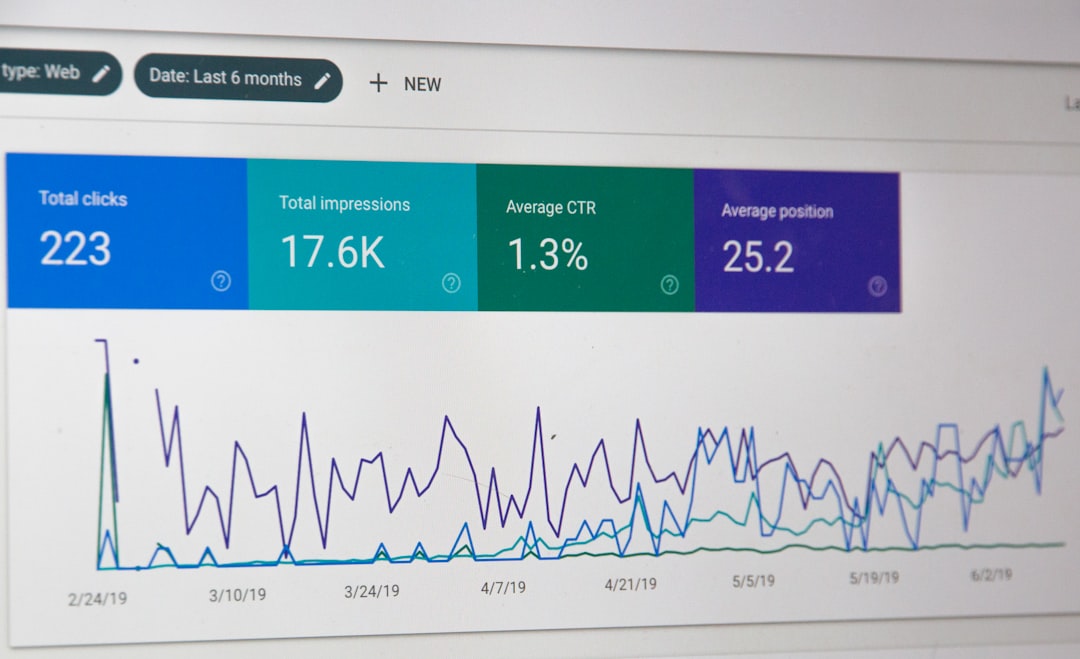
A strong strategy requires regular measurement. Exterminators should track website traffic, keyword rankings, Google Business Profile views, phone calls, form submissions, ad costs, conversion rates, and booked jobs. The most important metric is not always the number of leads, but the number of profitable customers gained from those leads.
Marketing data can reveal useful patterns. For example, termite campaigns may have a higher cost per lead but produce more revenue. Mosquito campaigns may be seasonal but generate recurring service plans. Rodent control may spike during colder months. By watching these trends, the company can adjust budgets and messaging throughout the year.
Combining SEO, PPC, and Social Media
The best digital marketing results often come from using SEO, PPC, and social media together. SEO builds long-term visibility and credibility. PPC delivers immediate exposure for high-intent searches. Social media strengthens awareness, trust, and customer relationships.
For example, an exterminator may publish a blog post about early termite warning signs, run Google Ads for termite inspections, and share a short social video showing how technicians inspect a foundation. Each channel supports the others, creating a stronger overall presence.
Digital marketing for exterminators is not a one-time task. It requires consistent optimization, fresh content, review management, and performance tracking. Companies that invest in these areas are better positioned to win local searches, convert urgent leads, and build long-term customer loyalty.
FAQ
How important is SEO for exterminators?
SEO is very important because most pest control customers search online for local services. Strong local SEO helps an exterminator appear in organic results and Google Maps when customers need help.
Should pest control companies use PPC ads?
Yes. PPC ads can generate fast leads, especially for urgent services like bed bug treatment, rodent removal, termite inspections, and emergency pest control.
What social media platforms work best for exterminators?
Facebook and Instagram are useful for local awareness and homeowner education. YouTube and TikTok can work well for short educational videos, while LinkedIn may help commercial pest control companies reach business clients.
How can an exterminator get more reviews?
The company can ask satisfied customers for reviews after service is completed. Sending a polite follow-up text or email with a direct review link usually improves response rates.
What should a pest control website include?
A pest control website should include service pages, location pages, phone numbers, contact forms, reviews, licenses, treatment details, photos, and clear calls to action.
How long does SEO take for pest control companies?
SEO usually takes several months to show strong results, depending on competition, website quality, content, reviews, and local authority. PPC can help generate leads while SEO grows.
What is the best digital marketing strategy for exterminators?
The best strategy combines local SEO, targeted PPC campaigns, review management, helpful content, and consistent social media activity. This balanced approach helps attract both immediate and long-term customers.