
In retail, fashion, sneakers, and collectibles, the term deadstock often sounds negative, but it can describe valuable inventory with strong resale potential. Its meaning depends on the industry: for a retailer, deadstock may be unsold merchandise sitting in storage; for a sneaker collector, it may mean a brand-new, unworn item in its original condition.
TLDR: Deadstock refers to inventory that has not sold through normal retail channels, or in resale markets, items that remain unused and in original condition. It can create losses for businesses when it ties up cash and storage space, but it can also become profitable when resold through outlet, liquidation, vintage, or collector channels. The best opportunities often come from identifying products with lasting demand, strong branding, limited supply, or seasonal relevance.
What Does Deadstock Mean?
Deadstock is merchandise that remains unsold, unused, or no longer actively offered through a retailer’s standard sales process. In traditional retail, it usually refers to products that sit in inventory for too long and become difficult to sell at full price. These items may be outdated, overordered, off-season, discontinued, or simply not popular with customers.
In resale culture, especially in sneakers, streetwear, watches, and collectibles, deadstock has a slightly different meaning. It often describes an item that is brand new, unworn, unopened, and still in its original packaging. For example, a pair of limited-edition sneakers from several years ago may be called deadstock if it has never been worn and still includes the original box, tags, and accessories.
This difference matters because deadstock can represent either a business problem or a resale advantage. A warehouse full of unsold seasonal clothing may be a liability for a retailer, while a sealed vintage toy or unworn sneaker can be a premium product for collectors.

Why Deadstock Happens in Retail
Deadstock is common across many retail categories. Even carefully managed businesses can misjudge demand, order too much stock, or face unexpected market changes. Products may become deadstock because of poor timing, weak marketing, changing trends, or competition from newer models.
Common causes include:
- Overordering: A retailer buys more units than customers are willing to purchase.
- Seasonal shifts: Winter coats, holiday decorations, or swimwear lose demand after their selling season ends.
- Trend changes: Fashion, beauty, and electronics can become outdated quickly.
- Pricing problems: Products may be priced too high for the target audience.
- Poor product placement: Items may fail because customers never notice them.
- Discontinued lines: Older versions may remain after a new model launches.
For retailers, deadstock can be expensive. It uses warehouse or shelf space, locks up cash, increases storage costs, and may need markdowns to move. If inventory remains untouched for too long, it may also become damaged, outdated, or less desirable.
Retail Examples of Deadstock
Deadstock appears in many everyday retail situations. A clothing store may have dozens of unsold dresses from last summer. A shoe shop may hold unpopular sizes that rarely sell. A bookstore may have older editions after a revised version is released. An electronics retailer may still carry phone cases for a model that customers no longer use.
Examples include:
- Fashion: Unsold jeans, coats, handbags, or accessories from previous seasons.
- Footwear: Extra pairs in uncommon sizes or discontinued styles.
- Beauty products: Makeup shades, fragrances, or packaging designs that did not perform well.
- Home goods: Décor, small appliances, bedding, or kitchen items from past collections.
- Electronics: Older headphones, chargers, cases, or accessories for previous device models.
- Toys and collectibles: Overstocked figures, games, or limited releases that were stored unsold.
Some deadstock is low value and must be heavily discounted. Other deadstock becomes more attractive as time passes, especially if the product is rare, well made, connected to nostalgia, or tied to a recognizable brand.
Deadstock in Fashion and Sneakers
In fashion and sneaker resale, deadstock has a more premium meaning. A deadstock sneaker usually means the pair has never been worn, tried on extensively, or used outdoors. It should include its original box and, ideally, all factory tags, spare laces, tissue paper, and accessories.
This condition can increase resale value. Collectors often pay more for items that appear untouched because condition is a major part of authenticity and desirability. A rare jacket with tags, a sealed designer accessory, or an unworn sneaker release can command a much higher price than a used version.
However, condition standards can vary by marketplace. Some platforms define deadstock strictly, while others use terms such as new with tags, new old stock, or unworn. Clear descriptions and detailed photos help reduce disputes between sellers and buyers.
Resale Opportunities for Deadstock
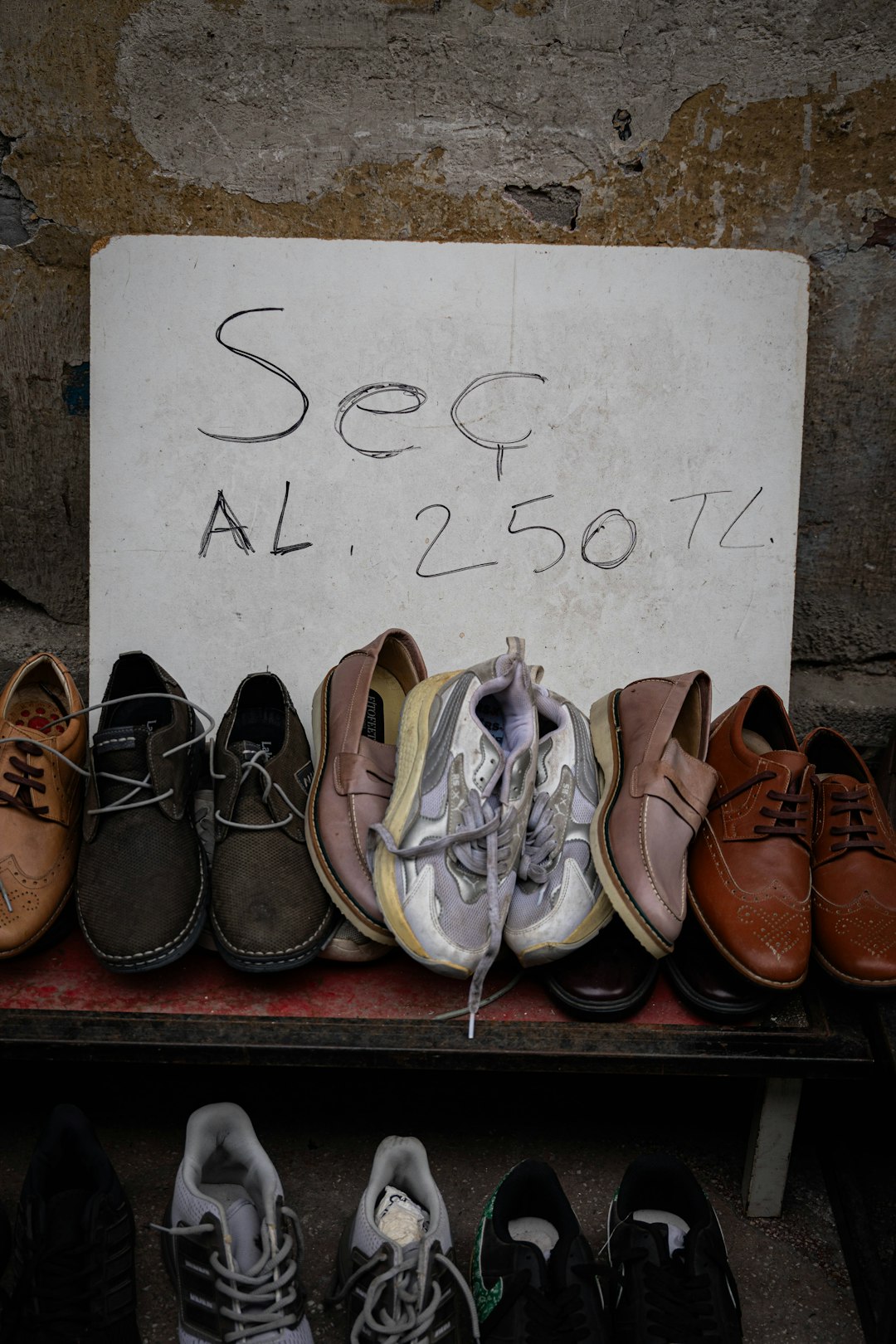
Deadstock can create profitable resale opportunities when sourced and priced correctly. Retailers, wholesalers, liquidators, thrift suppliers, and private collectors may sell excess inventory at discounted rates. Resellers then identify items with demand and list them on marketplaces, social platforms, or niche collector sites.
Strong resale candidates often have one or more of these traits:
- Recognizable brands: Well-known labels tend to attract search traffic and buyer trust.
- Limited supply: Discontinued or short-run products may become harder to find.
- Good condition: New, sealed, tagged, or boxed items usually perform better.
- Nostalgia: Vintage toys, apparel, games, and home goods can appeal to collectors.
- Practical demand: Everyday items such as replacement parts, discontinued cosmetics, or device accessories can sell steadily.
Resellers may find deadstock through liquidation pallets, store closeouts, estate sales, brand warehouse sales, online wholesale lots, or local retailers clearing space. The key is research. A low purchase price does not automatically mean profit if demand is weak, shipping is expensive, or the product has condition issues.
Risks of Buying Deadstock for Resale
While deadstock can be profitable, it carries risks. Some products expire, degrade, or lose relevance. Cosmetics, food, supplements, batteries, and certain electronics may have shelf-life concerns. Clothing stored poorly may develop odors, stains, fading, or fabric damage. Sneakers can suffer from yellowing, sole separation, or brittle materials even if they have never been worn.
Authenticity is another concern in high-demand categories. Counterfeit sneakers, designer bags, watches, and collectibles can appear in liquidation or secondary markets. Reliable sourcing, authentication processes, and careful documentation are essential for protecting resale margins and reputation.
How Businesses Can Manage Deadstock
Retailers can reduce deadstock by improving inventory forecasting, tracking sell-through rates, and adjusting purchasing decisions early. Instead of waiting until products become difficult to move, stores can use timely promotions, bundle offers, outlet channels, or targeted email campaigns.
Common strategies include:
- Markdown planning: Gradual price reductions can move slow items before they become obsolete.
- Bundling: Pairing slow stock with popular products can increase perceived value.
- Outlet sales: Clearance sections and outlet stores help recover cash.
- Wholesale liquidation: Bulk sales free storage space quickly.
- Donation: Unsold goods may support charities and create possible tax benefits, depending on local rules.
- Product repositioning: Better photography, descriptions, or merchandising may revive demand.
FAQ
What is the simple definition of deadstock?
Deadstock is inventory that has not sold or, in resale contexts, an item that remains unused and in original condition.
Is deadstock always bad for retailers?
No. It can be a financial burden when it sits unsold, but some deadstock can regain value through discounts, outlet sales, liquidation, or collector demand.
What does deadstock mean for sneakers?
For sneakers, deadstock usually means a pair is unworn, in new condition, and includes the original box and accessories.
Can deadstock be vintage?
Yes. Vintage deadstock often refers to older products that were never used or sold, such as clothing with original tags or sealed collectible items.
Where do resellers find deadstock?
Resellers often source deadstock from liquidation sales, warehouse clearances, retail closeouts, estate sales, wholesale lots, and collector inventories.
What makes deadstock valuable?
Value usually comes from brand recognition, rarity, condition, demand, nostalgia, and whether the product is discontinued or hard to find.