
Inventory is one of the most important items on many company balance sheets because it represents goods that are expected to be sold, used, or converted into revenue within the normal operating cycle. In accounting, inventory affects not only the statement of financial position but also profitability, cash flow, tax reporting, and operational planning. Understanding whether inventory is a current asset helps explain how a business measures liquidity and prepares for future sales.
TLDR: Inventory is generally classified as a current asset because it is expected to be sold or used within one year or within the company’s operating cycle, whichever is longer. It includes goods for sale, raw materials, and work in progress. When inventory is sold, its cost becomes cost of goods sold on the income statement. Proper inventory accounting helps a business measure liquidity, profit, and working capital accurately.
Is Inventory a Current Asset?
Yes, inventory is usually a current asset. A current asset is an asset that a company expects to convert into cash, sell, or use within a short period, typically within 12 months. Inventory fits this definition because it is held for resale, production, or consumption in the regular course of business.
For a retailer, inventory may include clothing, electronics, furniture, or other finished products ready for customers. For a manufacturer, inventory may include raw materials, unfinished goods, and completed products. For a restaurant, inventory may include food, beverages, packaging, and supplies used to serve customers.
Inventory appears on the balance sheet under current assets, usually alongside cash, accounts receivable, prepaid expenses, and short term investments. Its classification matters because investors, lenders, and managers use current assets to assess whether a company can meet its short term obligations.
Accounting Definition of Inventory
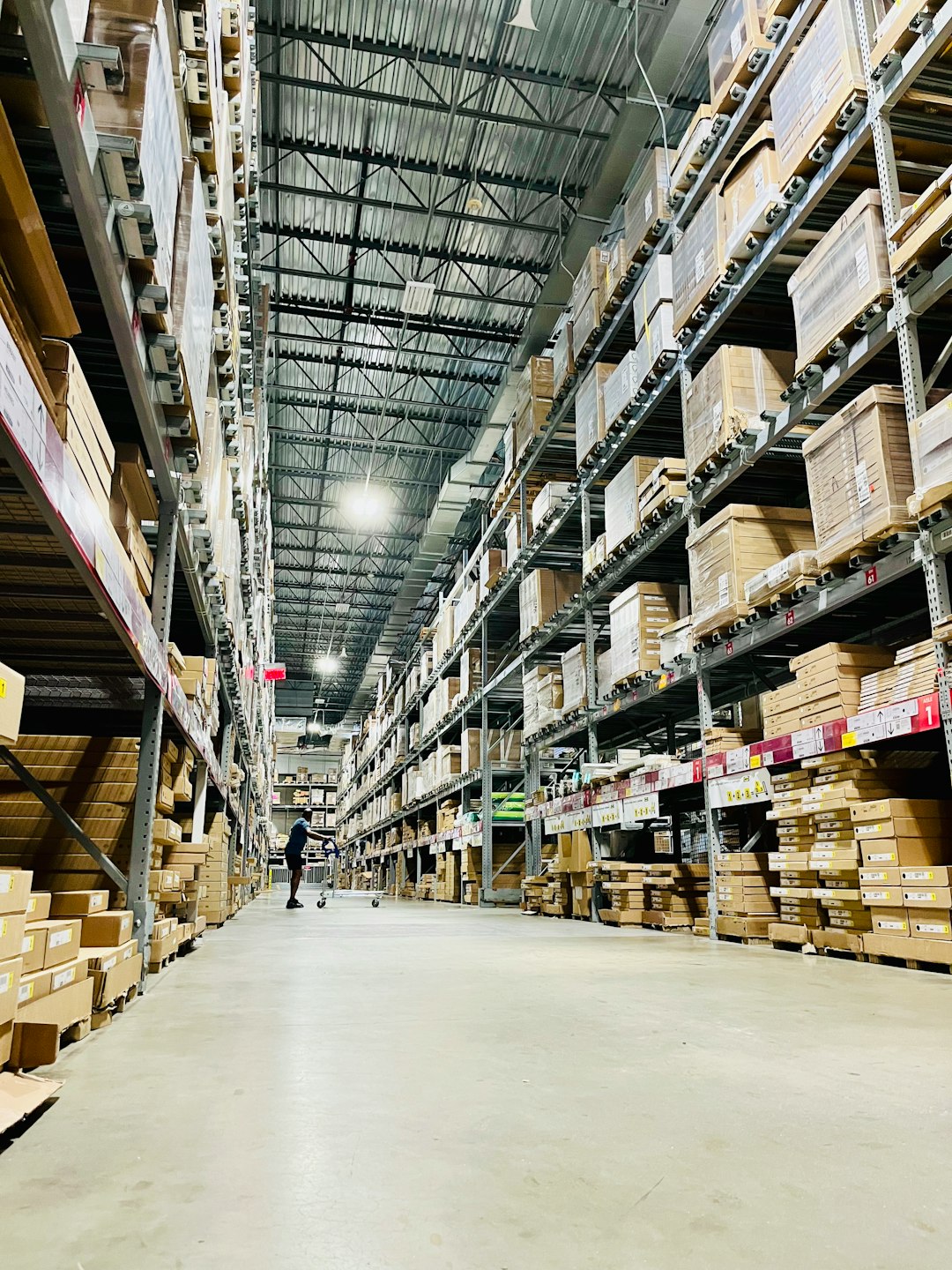
In accounting, inventory refers to assets held for sale in the ordinary course of business, assets currently in production for sale, or materials and supplies that will be consumed in making goods or providing services. The exact definition may vary slightly under different accounting frameworks, but the core idea is consistent: inventory is tied directly to revenue generation.
Inventory is recorded at cost when purchased or produced. This cost may include the purchase price, shipping, import duties, handling costs, direct labor, and manufacturing overhead. However, inventory is not recorded at whatever selling price the company hopes to receive. Instead, accounting standards generally require inventory to be valued at the lower of cost and net realizable value, or a similar measurement rule.
Net realizable value means the estimated selling price of the inventory minus costs necessary to complete and sell it. If inventory becomes damaged, obsolete, or less valuable, the company may need to write it down. This prevents the balance sheet from overstating assets.
Common Types of Inventory
Different businesses hold different forms of inventory. The main categories include:
- Raw materials: Items used to produce finished goods, such as wood, fabric, flour, steel, or electronic components.
- Work in progress: Goods that are partially completed but not yet ready for sale.
- Finished goods: Completed products available for sale to customers.
- Merchandise inventory: Goods purchased by retailers or wholesalers for resale without major transformation.
- Supplies: Materials used in operations that may be included as inventory if they are significant and consumed in production.
For example, a bakery may classify flour and sugar as raw materials, cakes currently being decorated as work in progress, and boxed pastries in the display case as finished goods. A car dealer, by contrast, would usually classify vehicles held for resale as merchandise inventory.
Why Inventory Is Considered Current
Inventory is considered current because it is expected to become cash through sales. The process usually follows a simple cycle: a company purchases or produces inventory, sells it to customers, records revenue, and receives cash or accounts receivable.
This flow is part of the company’s operating cycle. For many businesses, the operating cycle is shorter than one year. However, some companies may have longer production cycles, such as aircraft manufacturers, shipbuilders, or large construction suppliers. In those cases, inventory may still be classified as current if it is expected to be sold during the normal operating cycle.
This distinction is important. A current asset does not always have to be converted into cash within exactly 12 months if the business’s normal operating cycle is longer. Accounting focuses on the economic reality of how the company earns revenue.
How Inventory Affects Financial Statements
Inventory affects both the balance sheet and the income statement. On the balance sheet, it is reported as a current asset. On the income statement, inventory becomes an expense when sold. This expense is called cost of goods sold, often abbreviated as COGS.
For instance, if a company buys 100 units for $10 each, it records $1,000 of inventory. If it later sells 60 units, the cost of those units is transferred from inventory to cost of goods sold. The remaining 40 units stay on the balance sheet as inventory until sold or otherwise written down.
This timing is based on the matching principle. The cost of inventory is matched with the revenue it helps generate. As a result, inventory is not immediately expensed when purchased, unless it is used or sold during the same accounting period.
Inventory Valuation Methods
Businesses must choose an inventory costing method to determine which costs are assigned to items sold and which remain in ending inventory. Common methods include:
- FIFO, first in first out: The earliest inventory costs are assigned to cost of goods sold first. Ending inventory reflects more recent costs.
- LIFO, last in first out: The most recent inventory costs are assigned to cost of goods sold first. This method is allowed under some accounting rules but not under others.
- Weighted average cost: Inventory cost is averaged across all similar units available for sale during the period.
- Specific identification: Actual costs are tracked for specific items, often used for cars, jewelry, art, or custom equipment.
The chosen method can affect reported profit, taxes, and inventory value, especially when prices are rising or falling. Therefore, consistent application and transparent disclosure are important.
Examples of Inventory as a Current Asset
Several simple examples show how inventory qualifies as a current asset:
- Retail store: A clothing shop has $80,000 in shirts, pants, and shoes available for sale. These goods are current assets because the store expects to sell them during the regular sales cycle.
- Manufacturer: A furniture maker holds lumber, screws, fabric, unfinished chairs, and completed tables. These items are inventory because they are part of the production and sales process.
- Grocery business: A supermarket holds fresh produce, canned goods, frozen foods, and household products. Since these items are intended for customer purchase, they are current assets.
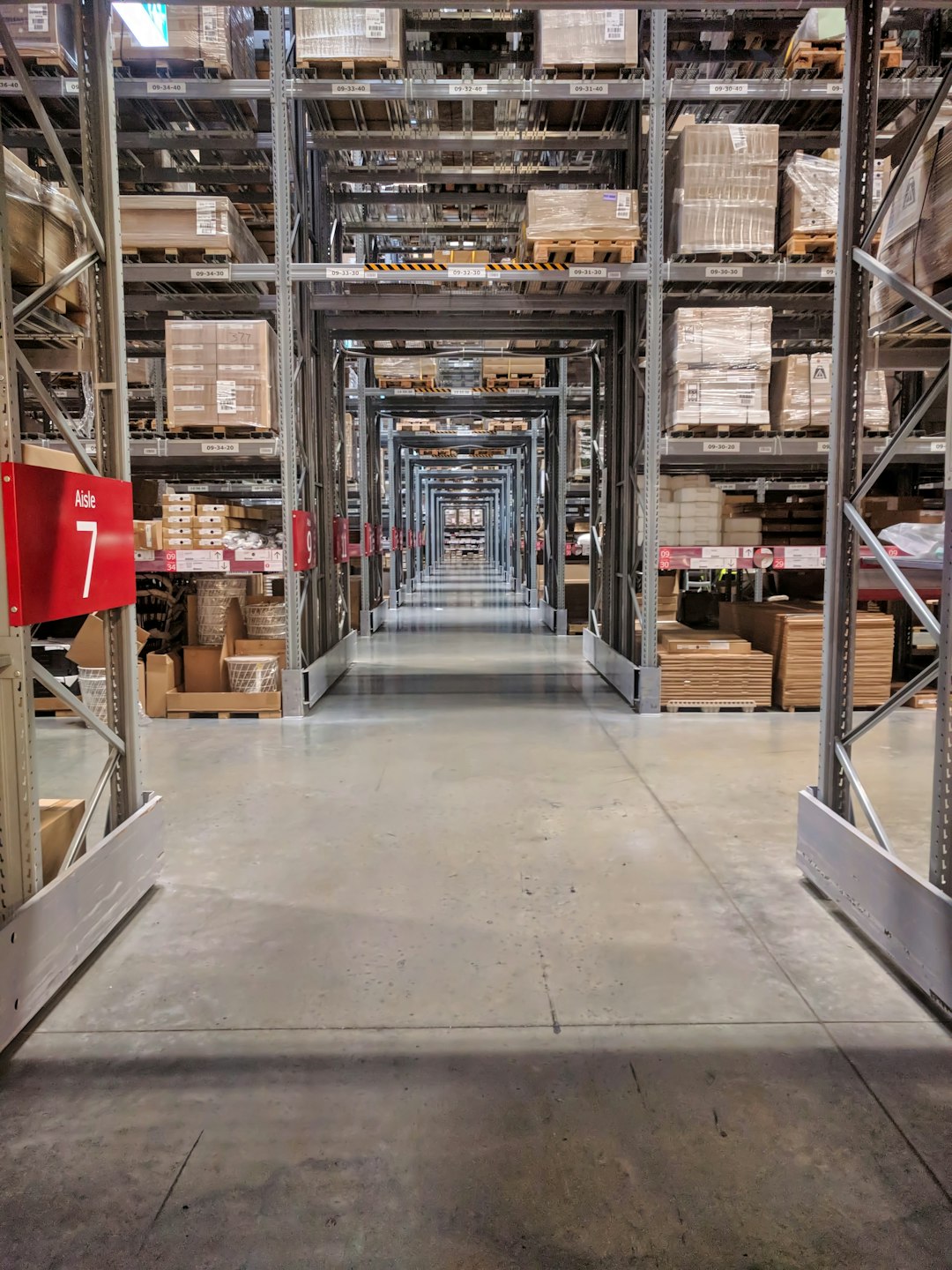
- Technology wholesaler: A distributor stores laptops and accessories for resale to retailers. The products are classified as merchandise inventory.
When Inventory May Not Be a Current Asset
Although inventory is normally current, unusual situations can affect classification or valuation. Goods that are obsolete, damaged, unsellable, or held for a very long period may require a write down. If an item is no longer expected to produce economic benefit, it may need to be removed from inventory and recognized as a loss.
Also, not every physical item owned by a business is inventory. Office desks, machinery, delivery trucks, and computers used by employees are usually fixed assets, not inventory. The key distinction is intent. If the asset is held for sale in ordinary operations, it is inventory. If it is used to operate the business over multiple periods, it is typically a noncurrent asset.
Why Inventory Classification Matters
Correct classification helps users of financial statements evaluate liquidity and efficiency. Inventory is a major part of working capital, which is calculated as current assets minus current liabilities. A company with large inventory balances may appear strong, but if that inventory cannot be sold quickly or profitably, liquidity may be weaker than it seems.
Managers also track inventory turnover, gross margin, shrinkage, and obsolete stock. These measures help determine whether the company is purchasing efficiently, pricing appropriately, and controlling waste or theft. Accurate inventory accounting supports better business decisions and more reliable financial reporting.
FAQ
Is inventory always a current asset?
Inventory is usually a current asset because it is expected to be sold or used within the operating cycle. However, obsolete or unsellable inventory may need to be written down or removed from the balance sheet.
Where is inventory shown on the balance sheet?
Inventory is shown under current assets, along with items such as cash, accounts receivable, and prepaid expenses.
Is inventory the same as supplies?
Not always. Supplies may be inventory if they are used in production or held for resale. Office supplies used for administration are often recorded separately as supplies or expenses.
What happens when inventory is sold?
When inventory is sold, its cost is transferred from the balance sheet to the income statement as cost of goods sold. The sale also creates revenue.
Why is inventory important in accounting?
Inventory is important because it affects assets, profit, taxes, cash flow, and business planning. Accurate inventory records help present a reliable picture of a company’s financial health.