
Search engine optimization tools are constantly evolving, and small SEO teams often face a difficult choice: invest in a comprehensive platform or stitch together several smaller tools. Labrika has positioned itself as an all-in-one SEO solution that promises deep analysis, technical insights, and actionable recommendations without the enterprise-level price tag. But does it truly deliver enough value for small SEO teams working with limited budgets and resources?
TLDR: Labrika is a feature-rich SEO platform that combines technical audits, content optimization, rank tracking, and backlink monitoring in one interface. For small SEO teams, it can reduce tool overload and centralize workflows. While it may not replace every specialized enterprise tool, it offers strong value for teams that want data depth without overwhelming complexity. Its biggest strengths lie in content analysis and on-page recommendations.
What Is Labrika?
Labrika is an integrated SEO and website audit tool designed to provide comprehensive optimization insights. Unlike niche tools that focus on a single aspect of SEO—such as keyword tracking or backlink analysis—Labrika combines multiple features into one platform.
- Technical site audits
- On-page SEO recommendations
- Content optimization analysis
- Keyword rank tracking
- Backlink monitoring
This multi-layered approach can be particularly appealing to small SEO teams that lack the manpower to manage multiple subscriptions and dashboards.

1. Technical Audit Capabilities: Deep but Manageable
One of Labrika’s core strengths lies in its technical auditing engine. For small SEO teams, identifying crawl errors, duplicate content, and site structure issues quickly is critical.
Comprehensive Website Crawl
Labrika performs a full website crawl, analyzing:
- Broken links
- Redirect chains
- HTTP status codes
- Indexing errors
- Duplicate meta tags
- Missing headers
Unlike lighter tools that only scratch the surface, Labrika provides detailed explanations for each issue. For small teams without a dedicated technical SEO expert, this guidance can significantly reduce troubleshooting time.
Actionable Prioritization
Rather than just listing hundreds of issues, Labrika attempts to prioritize them by severity. Small teams benefit from this structure because they can:
- Address high-impact problems first
- Avoid getting overwhelmed by minor warnings
- Create structured task lists for developers
However, some users may find the audit reports dense, especially during the first few uses. The platform offers substantial data, and there can be a slight learning curve.
Verdict on Technical SEO
For small SEO teams, Labrika’s technical audit functionality is robust enough to replace standalone site audit tools in many cases. It balances depth with usability, though teams should expect an onboarding phase.
2. Content Optimization: Labrika’s Standout Feature
Content optimization is where Labrika truly differentiates itself. Small SEO teams often work closely with writers, editors, and content strategists. Having real-time, data-backed content recommendations within the same platform is a major advantage.

TF-IDF and Semantic Analysis
Labrika evaluates top-ranking pages for a target keyword and generates recommendations based on semantic analysis. It examines:
- Term frequency and distribution
- Relevant keyword variations
- Content length comparisons
- Header structure patterns
This allows teams to align their content more closely with search engine expectations without resorting to keyword stuffing.
Competitor-Based Insights
One of the biggest benefits is that Labrika benchmarks your pages directly against top competitors. Small SEO teams can quickly determine:
- Which keywords competitors are using effectively
- Content gaps in their own articles
- Structural improvements that may improve rankings
This functionality reduces the need for exporting data into spreadsheets or juggling multiple competitive analysis tools.
Content Scoring System
Labrika assigns optimization scores, offering visual indicators that are easy to understand even for non-technical writers. For small teams collaborating across departments, this clarity can streamline workflows.
Potential Limitations
While powerful, Labrika’s interface may feel less polished than some specialized content tools. Additionally, teams focused heavily on AI-driven content workflows may still rely on supplementary platforms.
Overall assessment: For small SEO teams focused on scaling organic content, Labrika’s content module alone can justify the investment.
3. Rank Tracking and Backlink Monitoring: Centralized Oversight
No SEO suite is complete without performance tracking. Labrika includes keyword position monitoring and backlink analysis, although these features are somewhat lighter compared to dedicated enterprise-level tools.
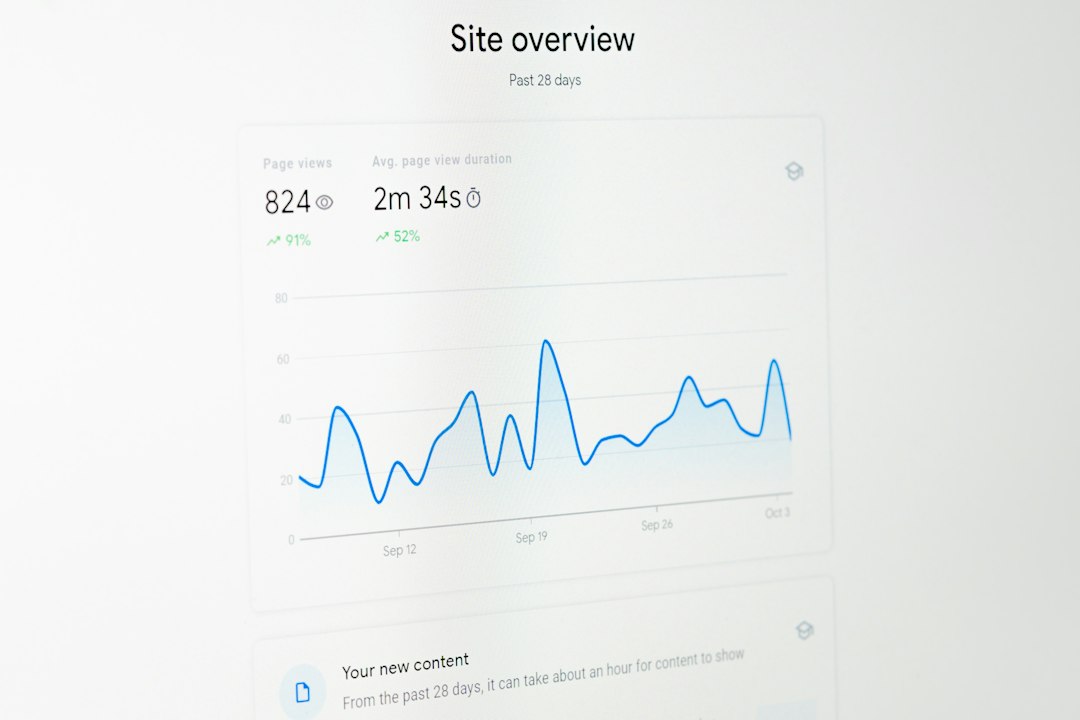
Keyword Tracking
Labrika enables teams to track:
- Keyword rankings by location
- Historical performance trends
- Ranking volatility over time
Small teams benefit from trend visualization that ties optimization efforts to measurable changes in rankings.
Backlink Analysis
The backlink module monitors:
- New links acquired
- Lost backlinks
- Referring domains
- Anchor text distribution
While it may not be as expansive as premium link intelligence databases, it provides sufficient insight for most small businesses and niche projects.
Strength in Consolidation
The biggest advantage here is centralization. Instead of using separate tools for tracking and monitoring, small teams can operate entirely within Labrika’s ecosystem. This saves time and reduces subscription costs.
Pricing and Value for Small SEO Teams
Budget sensitivity is often the defining factor for smaller teams. Labrika’s pricing tends to sit below many premium enterprise SEO tools while offering a comparable range of features.
For teams managing:
- Local business websites
- Small e-commerce stores
- Content-heavy affiliate projects
- SaaS startup websites
Labrika often represents a cost-effective alternative to stacking multiple specialized subscriptions.
However, scalability should be considered. Agencies managing dozens of high-traffic enterprise websites may eventually outgrow some limitations in data depth and reporting customization.
Pros and Cons at a Glance
Pros
- Comprehensive all-in-one SEO solution
- Strong content optimization and semantic analysis
- Detailed technical site audits
- Centralized reporting
- Competitive pricing for small teams
Cons
- Slight learning curve for new users
- Backlink database not as large as specialized link tools
- Interface may feel data-heavy
Is Labrika Worth It for Small SEO Teams?
For small SEO teams juggling multiple responsibilities, Labrika offers a practical middle ground between entry-level tools and enterprise-grade platforms. It reduces tool fragmentation and centralizes data into a coherent workflow.
Teams that focus heavily on content-driven SEO strategies will likely see the most benefit. The semantic analysis and competitor benchmarking features give small teams an analytical advantage without requiring advanced technical expertise.
On the other hand, teams that require massive backlink databases or highly customized reporting dashboards may still need to supplement Labrika with additional tools.
In summary, Labrika is worth it for small SEO teams that value:
- Depth over simplicity
- Content optimization insights
- Centralized SEO management
- Cost efficiency
Frequently Asked Questions (FAQ)
1. Is Labrika suitable for beginners?
Labrika is beginner-accessible but not beginner-simple. While the platform provides clear explanations for many issues, the volume of data may initially feel overwhelming. Small teams should expect a short onboarding period.
2. Can Labrika replace tools like Ahrefs or SEMrush?
For small teams with moderate needs, Labrika can replace several functions of larger SEO suites. However, for extensive backlink research or enterprise-level competitor intelligence, additional specialized tools may still be necessary.
3. How strong is Labrika’s content optimization compared to dedicated content tools?
Labrika’s semantic analysis and competitor comparison features are highly competitive. While it may lack some AI writing integrations found in other content tools, its data-driven recommendations are robust and actionable.
4. Does Labrika work well for local SEO?
Yes. Small teams handling local businesses can benefit from its audit tools, keyword tracking, and on-page optimization recommendations tailored to targeted geographic queries.
5. Is Labrika good for agencies?
It is well-suited for small to mid-sized agencies managing a limited number of clients. Large agencies with expansive reporting and data requirements may eventually need more advanced enterprise solutions.
6. What makes Labrika stand out the most?
Its strongest feature is the content optimization engine combined with deep technical auditing, all within one reasonably priced platform designed to support practical, results-focused SEO workflows.