As modern workplaces evolve into hybrid and distributed environments, organizations are rethinking how they measure performance and productivity. Traditional employee surveillance tools—such as keystroke logging, webcam monitoring, and constant screen recording—are increasingly viewed as invasive and counterproductive. In their place, companies are adopting workforce monitoring tools designed to enhance transparency, accountability, and collaboration without compromising trust or employee privacy.
TLDR: Workforce monitoring does not have to mean intrusive employee surveillance. Modern solutions focus on productivity insights, outcomes, and workflow optimization rather than tracking every click or movement. By prioritizing transparency, consent, and measurable goals, companies can maintain accountability without eroding trust. The key lies in using data responsibly and fostering a culture built on results instead of surveillance.
Organizations today face a critical balancing act: ensuring productivity while maintaining a respectful, ethical work environment. As remote and hybrid models become permanent fixtures, the question is no longer whether monitoring tools are necessary—but how they can be implemented responsibly.
The Problem With Invasive Tracking
Invasive workforce monitoring typically involves collecting highly granular data, such as:
- Keystroke logging
- Screenshot capturing at regular intervals
- Webcam activation
- GPS tracking during work hours
- Real-time screen recording
While these methods may provide detailed activity reports, they often produce unintended consequences. Employees subjected to constant surveillance may feel mistrusted, resulting in:
- Reduced morale
- Increased stress and anxiety
- Lower creativity
- Higher turnover rates
Research consistently shows that trust-based management models outperform surveillance-heavy systems. When employees feel empowered instead of monitored, they are more likely to take initiative and engage deeply with their responsibilities.
What Non-Invasive Workforce Monitoring Looks Like
Non-invasive workforce monitoring tools focus on productivity outcomes rather than personal behavior. Instead of tracking every minute detail, these tools measure progress at the project or team level.
Key characteristics include:
- Outcome-based metrics rather than activity-based metrics
- Aggregated data reporting instead of individual micro-analysis
- Voluntary time tracking with clear purpose
- Transparent data policies
- Employee access to their own performance data

For example, project management software may track task completion rates, milestone progression, and deadline adherence without recording personal screen activity. The focus shifts to deliverables rather than keystrokes.
Key Categories of Non-Invasive Tools
1. Project and Task Management Platforms
Task management systems allow teams to visualize workloads, deadlines, and responsibilities. These tools provide:
- Task assignment visibility
- Timeline tracking
- Progress dashboards
- Collaborative messaging systems
This approach ensures clarity without peering into how every minute is spent.
2. Time Analytics Tools (Without Screen Surveillance)
Modern time analytics platforms allow employees to log their hours voluntarily. Instead of spying on activity, they provide:
- Time breakdown by project
- Productivity pattern insights
- Workload distribution analysis
- Capacity forecasting
The goal is operational improvement, not personal scrutiny.
3. Communication and Collaboration Analytics
Team collaboration platforms can provide aggregated data on communication flow, such as:
- Response time averages
- Meeting duration statistics
- Cross-team collaboration frequency
Importantly, content is not analyzed—only structural metrics that help improve workflow efficiency.
4. Employee Engagement Surveys
Anonymous surveys help leadership understand morale, workload strain, and communication gaps. These tools:
- Encourage honest feedback
- Reduce burnout risk
- Identify cultural issues early
- Promote continuous improvement
When employees feel heard, they are more likely to support performance initiatives.
Building a Trust-First Monitoring Strategy
Technology alone does not determine whether monitoring feels invasive. Implementation strategy is equally important.
Transparency Is Essential
Organizations should clearly communicate:
- What data is collected
- Why it is being collected
- How it will be used
- Who has access to it
- How long it will be stored
This clarity removes ambiguity and reduces suspicion.
Consent and Participation
While some monitoring may be required for compliance reasons, many performance analytics tools can be introduced collaboratively. Including employees in the decision-making process increases buy-in and trust.
Focus on Coaching, Not Policing
Data should be used as a coaching aid, not as a disciplinary weapon. For instance, if time analytics reveal workload imbalances, managers can redistribute tasks instead of reprimanding individuals.

When performance insights are positioned as developmental support, monitoring becomes empowering rather than intimidating.
The Advantages of Non-Invasive Workforce Tools
1. Higher Employee Trust
Trust drives engagement. Companies that avoid invasive tracking tend to build stronger internal cultures and retain talent longer.
2. Improved Data Accuracy
Ironically, invasive tools often distort behavior. Employees may focus on appearing active rather than being productive. Outcome-based systems reduce this distortion.
3. Legal and Ethical Compliance
Privacy regulations are becoming stricter worldwide. Non-invasive systems reduce legal exposure and simplify compliance.
4. Better Leadership Insights
Aggregated metrics provide a broader organizational view:
- Team bottlenecks
- Project delays
- Overcommitment trends
- Underutilized resources
These insights support strategic planning without compromising privacy.
Balancing Productivity and Privacy
Companies must redefine productivity for the digital age. Measuring hours alone is insufficient. Instead, organizations increasingly rely on:
- Key Performance Indicators (KPIs)
- Objectives and Key Results (OKRs)
- Milestone tracking
- Quality benchmarks
This shift aligns monitoring practices with business outcomes.
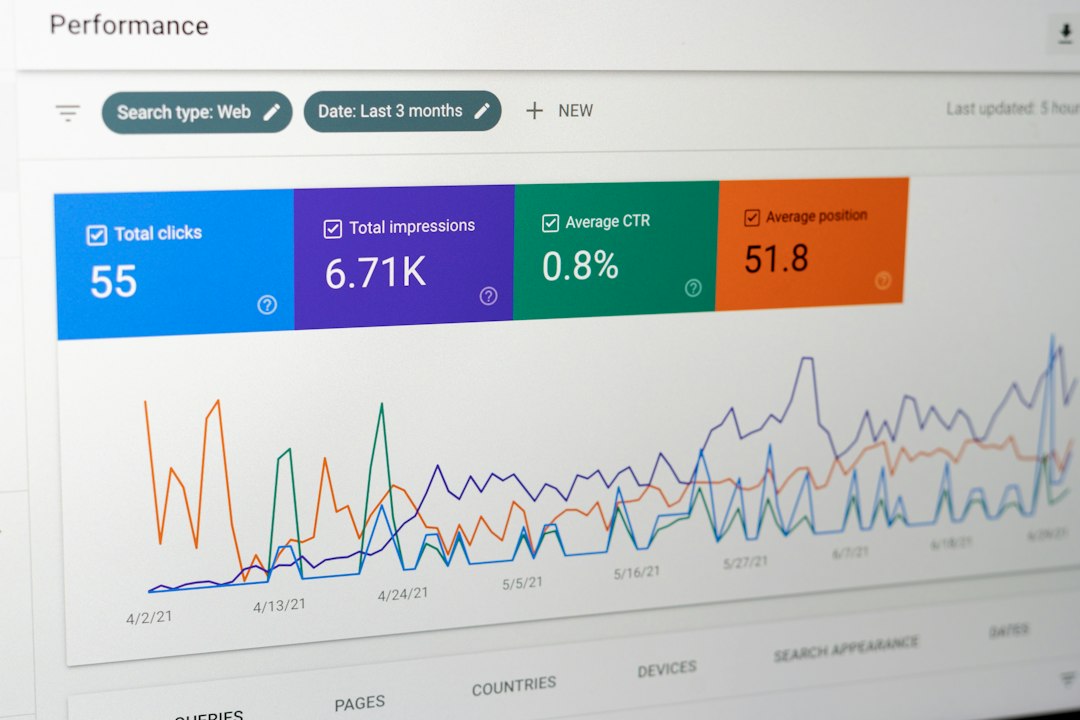
When expectations are clear and aligned with measurable results, detailed personal tracking becomes unnecessary.
Best Practices for Ethical Implementation
Organizations seeking to adopt workforce monitoring tools without invading privacy should consider these best practices:
- Start with purpose – Define the specific productivity challenges being addressed.
- Minimize data collection – Gather only what is necessary.
- Provide access – Allow employees to view their own performance metrics.
- Review policies regularly – Ensure compliance with evolving data laws.
- Train managers – Educate leaders on interpreting data responsibly.
- Encourage dialogue – Foster open communication about concerns.
These safeguards ensure monitoring enhances operations rather than undermining workplace culture.
The Cultural Impact of Respectful Monitoring
Monitoring strategies signal company values. A surveillance-heavy approach communicates distrust. In contrast, a results-oriented model conveys confidence in employee professionalism.
Organizations that prioritize privacy often experience:
- Greater autonomy
- Stronger accountability
- More innovation
- Increased collaboration
Employees who feel respected are more likely to exceed expectations.
The Future of Workforce Monitoring
The future lies in intelligent analytics powered by artificial intelligence and aggregated trend analysis—not in hyper-detailed individual surveillance. As technology advances, businesses will be able to:
- Predict workload imbalances
- Identify burnout risks early
- Optimize team structures
- Enhance project forecasting
Importantly, these advances can occur without sacrificing individual privacy. The goal is organizational intelligence, not employee scrutiny.
Frequently Asked Questions (FAQ)
1. What is the difference between workforce monitoring and employee surveillance?
Workforce monitoring focuses on productivity metrics, workflows, and outcomes at the team or project level. Employee surveillance tracks individual activities such as keystrokes, screen usage, or webcam footage in a highly detailed manner.
2. Are non-invasive monitoring tools effective in remote environments?
Yes. Outcome-based metrics, task tracking, and performance dashboards are often more effective in remote settings because they measure results rather than physical presence.
3. How can companies maintain transparency when implementing monitoring tools?
Organizations should clearly explain what data is collected, why it is needed, how it is stored, and who can access it. Providing written policies and hosting Q&A sessions can further enhance clarity.
4. Do non-invasive tools comply better with privacy laws?
Generally, yes. Since they collect less personal and behavioral data, they reduce the risk of violating privacy regulations and simplify legal compliance.
5. Can productivity be accurately measured without detailed tracking?
Absolutely. KPIs, OKRs, milestone achievements, and deliverable quality offer meaningful insight into performance without monitoring every minute of activity.
6. What should leaders avoid when adopting workforce monitoring tools?
Leaders should avoid excessive data collection, secret implementation, and using metrics solely for disciplinary action. Ethical application is critical to maintaining trust.
Ultimately, workforce monitoring tools do not have to compromise privacy. By emphasizing transparency, aggregated insights, and performance outcomes, organizations can cultivate a productive environment rooted in accountability and mutual respect.