
Wiha is the safest iFixit alternative for precision work, while Jakemy is the best low-cost choice for casual electronics repair. iFixit remains a strong benchmark, especially because its Pro Tech Toolkit includes the 64-bit Mako driver kit and common opening tools [source: iFixit]. Still, many repairers want tougher bits, lower prices, or a kit that is easier to replace locally.
TLDR: Choose Wiha if you repair laptops, phones, game consoles, or cameras often and want bits that resist stripping. Choose Jakemy if you need an affordable toolkit for occasional jobs, such as battery swaps or cleaning a drifting controller. For example, if you do 2 to 4 repairs per month, spending extra on Wiha can save time because fewer screws get damaged. If you repair only twice a year, a Jakemy kit can cover most basic jobs without costing much.
Best iFixit Alternatives for Electronics Repair
iFixit kits are popular for a reason. They are well organized, repair-focused, and easy to understand. The catch is that they are not always the best value for every user. Some people need higher-grade drivers. Others just need a basic kit for a tablet screen, a laptop fan, or a console teardown.
Here are the strongest alternatives worth considering.
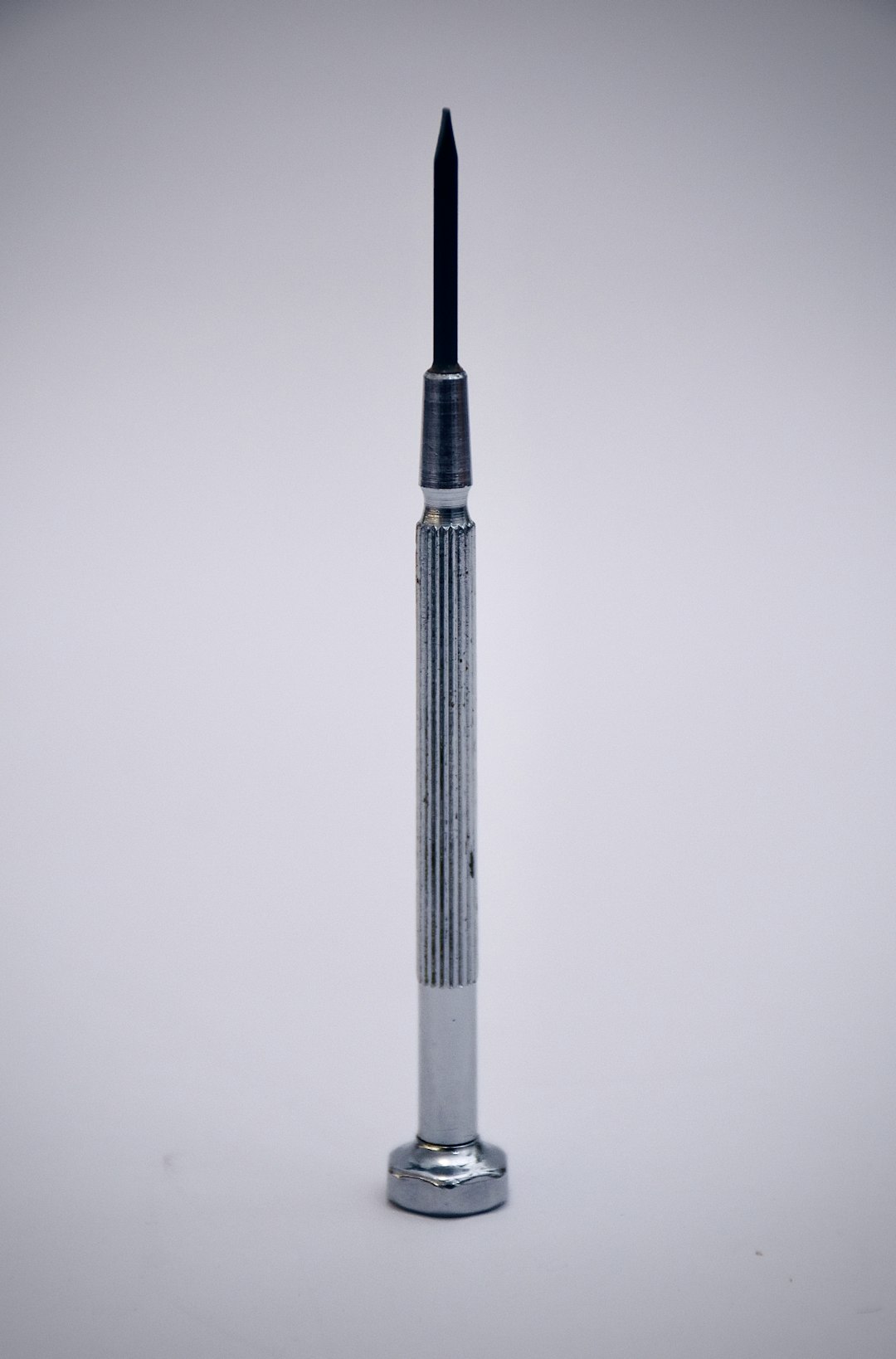
1. Wiha: Best for Serious Repair Work
Wiha is the best pick if screw damage keeps you up at night. Its precision screwdrivers and bit sets feel firm in the hand. The tips are cleanly machined. That matters when working with soft screws in MacBooks, phones, cameras, and small electronics.
Wiha is not cheap. That is the main drawback. A good Wiha setup can cost more than a complete budget repair kit. But the money goes into better steel, better fit, and better control. If a stripped screw can turn a 10-minute repair into a 45-minute headache, better drivers start to make sense.
Best for:
- Phone and laptop technicians
- Console repair shops
- People who hate stripped screws
- Frequent repair work
2. Jakemy: Best Budget Alternative
Jakemy is popular because it gives you a lot of tools for the money. Many kits include precision bits, tweezers, plastic pry tools, suction cups, and extension shafts. For home users, that is often enough.
The quality is mixed. Some bits are fine. Some wear faster than expected. Honestly, it feels like the kit is built for “good enough” repairs, not daily professional use. That is not an insult. It is just the trade-off.
Jakemy makes sense if you want to open a laptop once, replace a phone battery, clean a fan, or fix a loose charging port. It is also a good backup kit. Keep a better driver for daily work, and use Jakemy for odd bits and spare tools.
Best for:
- Beginners
- Students
- Occasional home repairs
- Low-cost toolkit buyers
3. Wera: Best Driver Feel
Wera is another premium option. Its handles are comfortable, and the tools feel balanced. Wera stands out when you work for long sessions. The grip shape helps reduce hand strain.
Wera is a smart choice for people who already own spudgers, tweezers, and opening picks. It is more of a tool brand than a repair-kit brand. So you may need to build your own setup piece by piece.
4. Kaisi: Good Middle Ground
Kaisi sits between Jakemy and iFixit in many cases. Its toolkits often include phone repair tools, precision bits, pry tools, and storage cases. Quality can vary by set, so check what is included before buying.
Kaisi is a practical choice for small repair shops that need several kits on hand. It can also work well for anyone who repairs phones for friends or handles refurb projects.
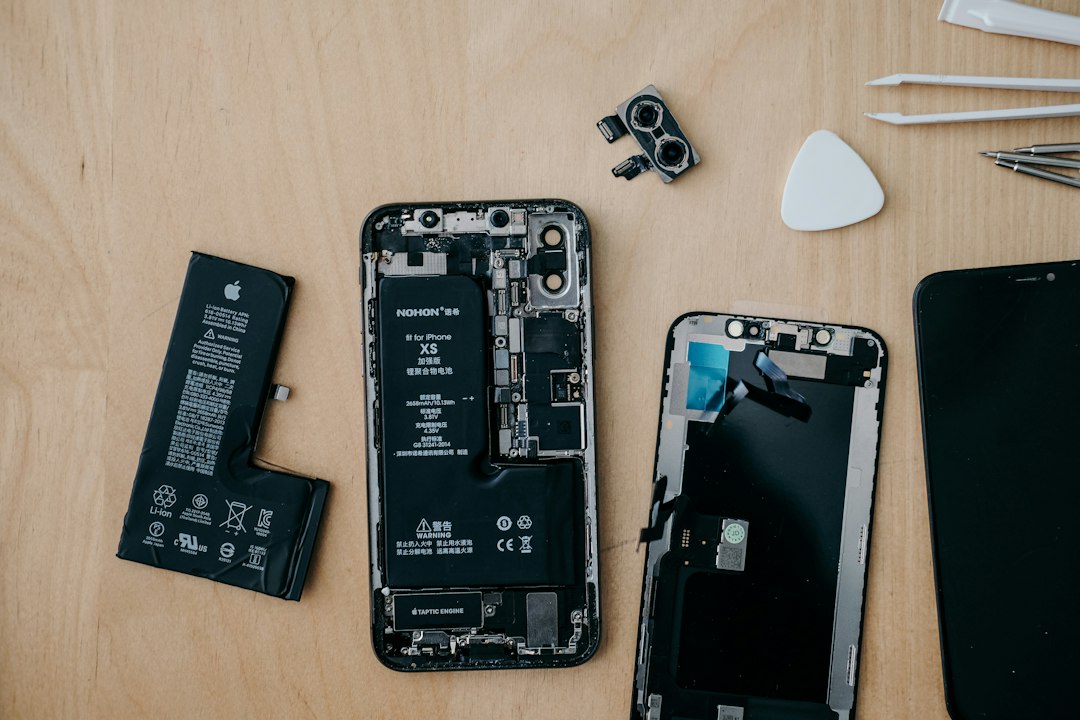
5. Vessel: Great for JIS and Camera Work
Vessel is worth knowing if you work on Japanese electronics, cameras, audio gear, or older devices. Many people confuse JIS screws with Phillips screws. That mistake can chew up screw heads fast.
A proper Vessel JIS screwdriver can save a repair from going sideways. It will not replace a full iFixit-style kit, but it is a smart add-on if you handle cameras, vintage consoles, or Japanese-made equipment.
How to Choose the Right Toolkit
Do not buy based only on the number of bits. A 140-piece kit sounds impressive, but many pieces may sit unused. The better question is simple: does the kit include the bits your devices actually use?
For electronics repair, look for:
- Phillips: PH000, PH00, PH0, PH1
- Torx: T2 to T10, plus security Torx if needed
- Pentalobe: common for Apple devices
- Tri-point: used in some phones and Nintendo devices
- Plastic pry tools: safer than metal on screens and cases
- ESD tweezers: useful for cables and small clips
- Magnetic mat or tray: stops screws from vanishing
It drives me crazy when cheap kits include 100 bits but skip a decent spudger. A poor pry tool can crack a plastic clip or mark a phone frame. Add a quality spudger and opening picks if your kit cuts corners.
Best Picks by User Type
- Best overall iFixit alternative: Wiha precision bit set with separate pry tools.
- Best cheap toolkit: Jakemy repair kit with at least 50 bits and opening tools.
- Best for long repair sessions: Wera precision drivers.
- Best for phone repair starters: Kaisi all-in-one toolkit.
- Best specialty add-on: Vessel JIS screwdrivers.
If you manage repair jobs for a team, tool choice is only one part of the process. Tracking parts, costs, and service schedules matters too. For broader repair planning, this guide to maintenance management software may help. If repair work connects with rental units or business assets, property management accounting software can also keep costs cleaner.

Final Recommendation
Buy Wiha if reliability matters most. It is the closest serious upgrade from iFixit for drivers and bits. Buy Jakemy if price matters most. It will handle many simple repairs, as long as you do not expect premium tool steel.
The smartest setup is often mixed. Use Wiha or Wera for screws. Use Jakemy or Kaisi for spare pry tools and odd accessories. Add Vessel if you work on cameras or Japanese electronics. That gives you a cleaner, tougher toolkit without paying for pieces you will never use.