
PremSocks is usually not the best first choice for normal privacy. If you want safer browsing, start with a good VPN, Tor, or a trusted residential proxy provider with clear rules. PremSocks may appeal to people who need SOCKS-style proxy access, but you need to check trust, speed, IP quality, and refund terms before paying.
TLDR: PremSocks and residential proxies both hide your real IP, but they are not the same tool. A residential proxy looks like a real home connection, so it can reduce blocks on websites; for example, a price checker scanning 500 public product pages may see 20% to 40% fewer “access denied” screens than with cheap datacenter IPs. PremSocks may be useful for SOCKS proxy tasks, but it needs careful testing. For simple privacy, a VPN is easier and less annoying.
What is PremSocks?
PremSocks is commonly talked about as a source for SOCKS proxies. SOCKS is a proxy type, not a magic cloak. It can pass traffic from many apps, not just browsers. That sounds handy. It can be.
But here is the rub. A proxy is only as good as the network behind it. If the IPs are abused, slow, shared too much, or poorly managed, you will feel it fast. Pages load like warm syrup. Logins trigger warnings. Some sites block you before the homepage finishes blinking.
Honestly, it feels like some proxy dashboards were built to test human patience. You buy access, copy a host, set a port, enter a username, then spend 18 minutes figuring out why one app works and another one sulks in the corner.

What is a residential proxy?
A residential proxy routes your traffic through an IP address tied to a real internet service provider. It looks like a normal home user. That is the main trick.
Websites often trust residential IPs more than datacenter IPs. Why? Datacenter IPs are easy to spot. Many are used by bots, scrapers, and spam tools. Residential IPs blend in better.
This does not mean you get a free pass. Big sites still track behavior. They watch cookies, browser fingerprints, mouse movement, request speed, and login patterns. If your tool acts like a caffeinated robot, a residential IP will not save you.
PremSocks vs residential proxy
Think of it like transport.
- PremSocks: More like renting a scooter. Small, direct, useful for certain trips.
- Residential proxy: More like borrowing a normal family car. It blends into traffic.
- VPN: More like taking a bus with tinted windows. Easy, but everyone sees the bus.
- Tor: More like changing buses three times while wearing a hoodie. Private, but slow.
PremSocks may suit users who need SOCKS5 support for apps, scripts, or account separation. Residential proxies suit jobs where IP reputation matters. That includes ad checks, market research, SEO checks, and testing how a public page appears in another region.
The catch is that bad proxies waste time. A task that should take 10 seconds can take 45 seconds if the IP is weak or overloaded. Do that 200 times in a day and your coffee gets cold. Your mood follows.
Speed: who wins?
Speed depends on distance, server load, and routing. A clean datacenter proxy can be very fast. A residential proxy can be slower because traffic takes a less direct path.
PremSocks speed will depend on the actual proxy pool. If it uses crowded IPs, expect lag. If it gives private access with stable routing, it may feel fine.
For streaming or daily browsing, a VPN is usually simpler. For automated public checks, a residential proxy may be better. For maximum anonymity, Tor is stronger, but it is not built for speed.
Privacy: do not confuse hidden IP with true safety
A proxy hides your IP from the site you visit. That is useful. But it does not erase you from the internet.
Your browser still spills data. Screen size. Fonts. Time zone. Language. Extensions. Cookies. Login habits. Even tiny details can create a fingerprint.
Also, the proxy provider can see connection details. Some may keep logs. Some may not say much. That silence is not comforting. If privacy matters, read the policy. If the policy is vague, assume risk.
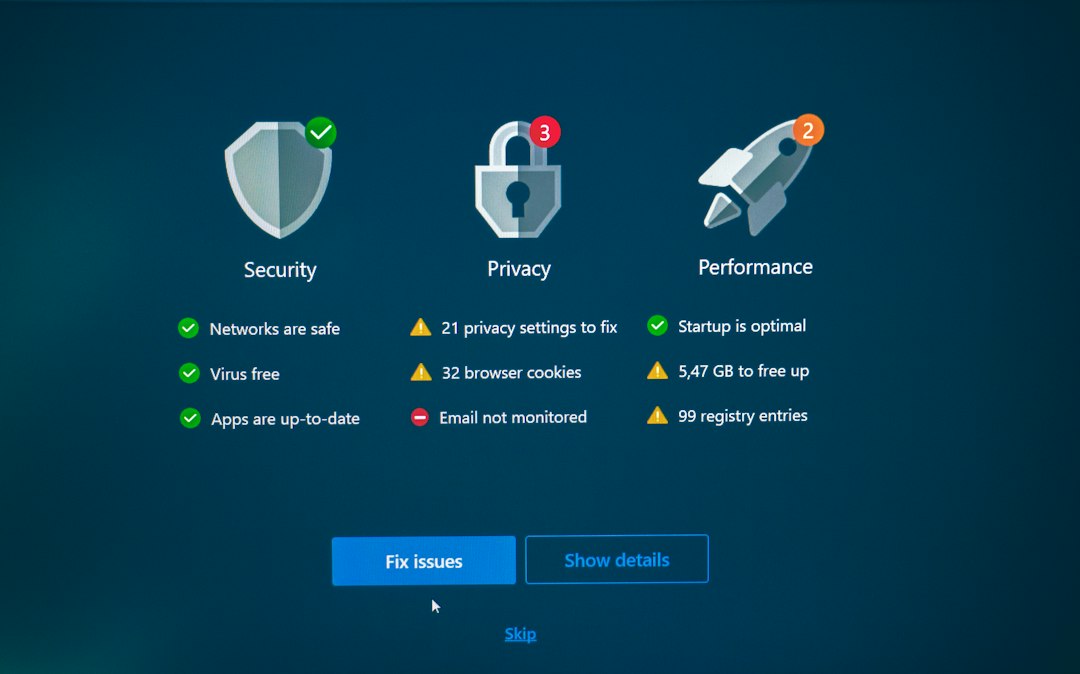
Trust and safety checklist
Before using PremSocks or any proxy service, run a quick check. It is boring. Do it anyway. Boring is cheaper than regret.
- IP type: Is it residential, mobile, datacenter, or mixed?
- Protocol: Does it support SOCKS5, HTTP, or HTTPS?
- Rotation: Can you keep the same IP or rotate on demand?
- Locations: Are the countries and cities real and useful?
- Logs: What data is stored, and for how long?
- Refunds: Can you test before buying a large plan?
- Support: Do they answer simple questions clearly?
- Rules: Do they ban spam, fraud, and account abuse?
When PremSocks may make sense
PremSocks may be fine when you need simple SOCKS access for a specific app. For example, a developer may test how a desktop tool behaves through a proxy. A researcher may compare public website output from different IPs. A privacy hobbyist may separate browser profiles.
Keep expectations sane. Do not expect every IP to work everywhere. Do not expect perfect speed. Do not expect support to fix blocked websites with a magic button.
Also, use it within site rules and local law. Proxies are tools. A hammer can build a birdhouse. It can also smash a window. The tool is not the whole story.
When a residential proxy is better
Pick a residential proxy when IP trust matters more than raw speed. This is common for public data tasks. It also helps when you need to see what users in a certain area see.
Say a small travel site checks hotel prices in 12 cities each morning. With datacenter proxies, 6 out of 12 checks may hit blocks. With solid residential IPs, maybe only 2 fail. That saves staff time. It also keeps reports cleaner.
Still, quality varies a lot. Cheap residential proxy plans can be messy. Some rotate too often. Some are slow. Some have locations that are “close enough,” which is a very annoying phrase when you need Paris and get a village 300 miles away.
Best privacy alternatives
If your goal is general privacy, consider these options first.
- VPN: Best for normal people. One app. One button. Good for WiFi safety and IP masking.
- Tor Browser: Best for stronger anonymity. Slower, but serious about privacy.
- Private DNS: Helps hide DNS lookups from some parties. Use DoH or DoT.
- Browser hardening: Block trackers. Use fewer extensions. Clear cookies often.
- Separate browser profiles: Keep work, shopping, and research apart.
- VPS proxy: Good for control. Bad for blending in, since datacenter IPs stand out.
- Mobile proxy: Strong IP reputation, often pricey, useful for app testing.

Simple pick guide
Use this quick guide if you do not want a spreadsheet.
- Choose a VPN if you want easy privacy for browsing, travel, or public WiFi.
- Choose Tor if anonymity matters more than speed.
- Choose residential proxies if you need public web checks with fewer blocks.
- Choose PremSocks only if SOCKS proxy access fits your tool and you can test quality first.
Final verdict
PremSocks can be useful, but it is not a one-size privacy shield. Residential proxies are better for blending in with normal web traffic. VPNs are better for everyday privacy. Tor is better when you need stronger anonymity.
The smart move is simple. Match the tool to the job. Test with a small plan. Watch speed, block rates, and support quality. If setup feels painful on day one, it probably will not become fun on day ten.