
The best marketing platform for 2025 and 2026 is the one that connects testing, analytics, personalization, and conversion tracking without forcing your team to stitch five tools together. If A/B testing sits outside your email, landing page, CRM, or ecommerce data, results get slow and messy. Serious teams should compare platforms by experiment quality, data depth, audience controls, and how clearly each tool ties tests to revenue.
TLDR: Choose a platform with native A/B testing, clean reporting, audience segmentation, and conversion attribution in one workflow. For example, an ecommerce team sending 500,000 monthly emails may lift revenue by 8% to 15% just by testing subject lines, offers, product blocks, and checkout reminders inside the same platform. If the tool cannot show which variant increased clicks, purchases, and customer value, it is not enough. Prioritize platforms that make testing routine, not a special project.
What “built-in A/B testing” should mean in 2025 and 2026
Built-in A/B testing should be more than changing a button color. A strong platform lets marketers test emails, landing pages, forms, popups, web experiences, SMS campaigns, offers, ad audiences, and customer journeys. It should also connect those tests to real outcomes.
Basic tools report opens and clicks. Better tools report conversion rate, revenue per visitor, average order value, lead quality, churn risk, and customer lifetime value. That difference matters. A headline that gets more clicks may still bring worse customers. A discount that wins today may hurt margin next month.

Best marketing platforms with native experimentation features
No single platform is perfect for every company. The right choice depends on your sales model, data maturity, traffic volume, and team skills. Still, several platforms stand out for their built-in testing and conversion features.
- HubSpot Marketing Hub: Best for B2B teams that want CRM, email, landing pages, forms, automation, and reporting in one place. Its A/B testing works well for emails and landing pages, especially when tied to contact records and pipeline data.
- Adobe Experience Cloud with Adobe Target: Best for enterprise teams with high traffic and complex personalization needs. It supports advanced experimentation, audience rules, and testing across web and app experiences.
- Optimizely: Strong for product, web, and growth teams that run frequent experiments. It is respected for experimentation rigor, feature testing, rollout controls, and statistics.
- VWO: A practical choice for conversion rate optimization teams. It includes A/B testing, heatmaps, session recordings, surveys, funnels, and personalization features.
- Klaviyo: Best for ecommerce brands that need email and SMS testing tied to Shopify, WooCommerce, BigCommerce, and customer purchase data.
- Braze: Best for consumer apps and brands with lifecycle messaging across push, email, SMS, in-app messages, and webhooks.
- Iterable: Strong for multi-channel lifecycle marketing. It supports testing inside customer journeys and audience segments.
- Salesforce Marketing Cloud: Best for larger teams already using Salesforce. It offers journey testing, personalization, segmentation, and enterprise reporting, though setup can be heavy.
- ActiveCampaign: Good for small and mid-sized businesses that want automation, CRM, email testing, and practical sales follow-up without enterprise cost.
How to compare platforms without getting fooled by feature lists
Feature grids often make every platform look strong. The catch is that many “A/B testing” claims mean only subject line testing. That is not enough for serious optimization.
Use these criteria instead:
- Experiment types: Can you test email, SMS, landing pages, forms, web content, recommendations, journeys, and offers?
- Audience control: Can you test by segment, lifecycle stage, location, device, account type, purchase history, or intent?
- Analytics quality: Does the platform show confidence, sample size, conversion value, and downstream impact?
- Personalization: Can winning variants be shown to the right segment automatically?
- Conversion tracking: Can the tool connect tests to revenue, demos, trials, orders, renewals, or retention?
- Ease of use: Can a marketer create a test without waiting three weeks for engineering?
- Governance: Does it include permissions, approval flows, audit records, naming rules, and brand controls?
Analytics: the part most teams under-check
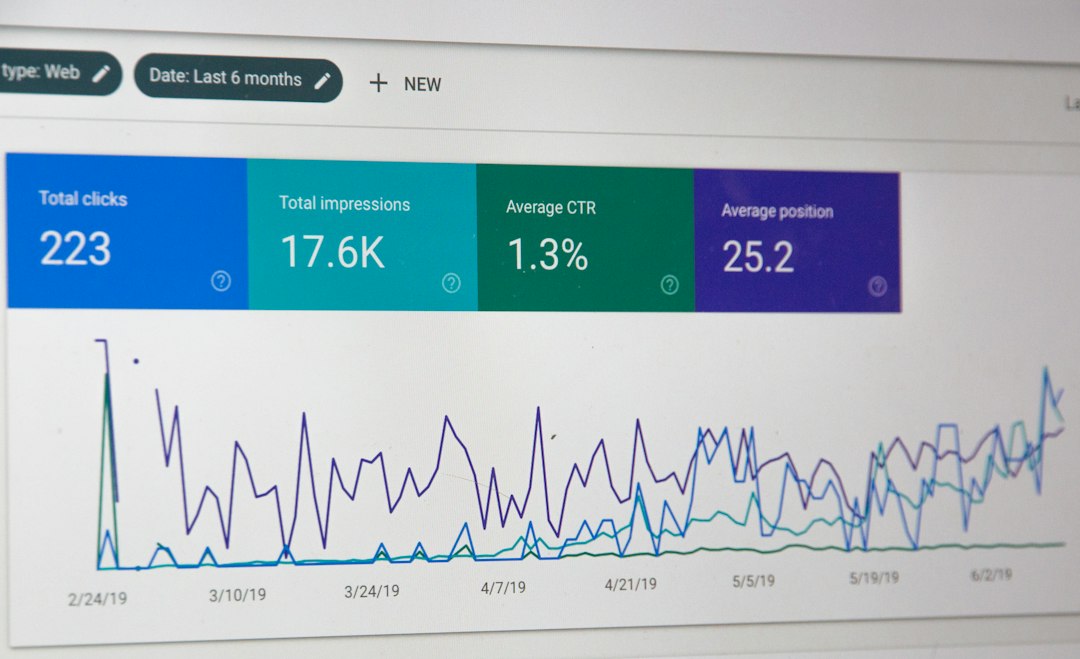
A/B testing is only useful if the analytics are trustworthy. Weak reporting causes bad decisions. It drives me crazy that some tools make teams export CSV files, rebuild dashboards, and argue over numbers for half a day. That kills momentum.
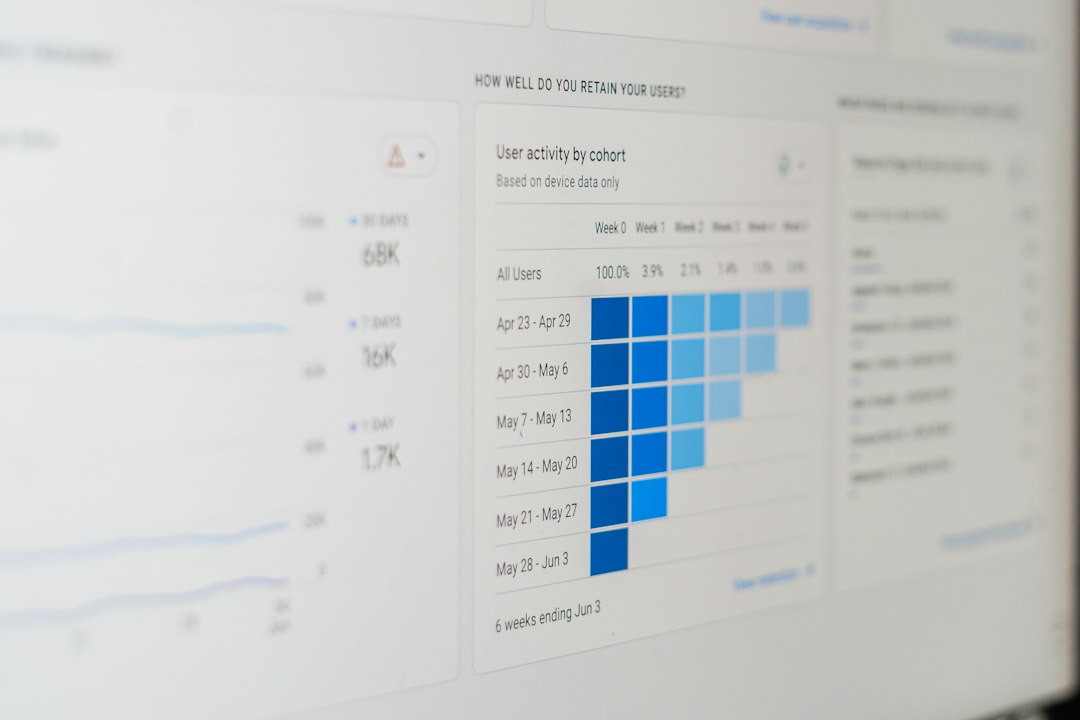
Look for platforms that support real-time dashboards, clear event tracking, revenue attribution, cohort views, funnel analysis, and test history. Your team should be able to answer simple questions fast:
- Which variant won?
- Was the result statistically credible?
- Did it increase revenue or just clicks?
- Did it work for new users, returning users, or both?
- Should the winner become the new default?
For B2B teams, connect tests to marketing qualified leads, sales accepted leads, opportunity value, and closed revenue. For ecommerce teams, connect tests to cart rate, checkout rate, order value, repeat purchase rate, and margin.
Personalization and experimentation should work together
Personalization without testing is guesswork. Testing without personalization can hide valuable patterns. A variant may fail overall but win strongly for a specific group.
For example, a SaaS company may test two homepage hero messages. Variant A wins by 4% overall. But when segmented, Variant B converts enterprise visitors 18% better, while Variant A performs better for small businesses. A mature platform helps you act on that split instead of averaging it away.
This is where tools like Adobe Target, Optimizely, Braze, Iterable, Klaviyo, and Salesforce can help larger teams. HubSpot and ActiveCampaign can work well for simpler segment-based testing. VWO is useful when web behavior and conversion analysis matter most.
Conversion tools to check before you sign
Good marketing platforms help teams improve the full path to conversion. Do not stop at A/B testing. Review the built-in tools that turn attention into action.
- Landing page builder: Fast editing, reusable blocks, form testing, SEO controls, and mobile previews.
- Form tools: Progressive fields, hidden tracking fields, spam controls, and CRM sync.
- Popup and onsite messaging: Rules based on behavior, exit intent, cart value, referral source, or customer status.
- Journey automation: Branching paths based on test results, behavior, and customer stage.
- Recommendations: Product or content blocks that can be tested and personalized.
- Attribution: Clear links between campaigns, visits, conversions, and revenue.
Common mistakes when buying a testing platform
First, teams buy for the demo, not the daily workflow. A polished demo can hide slow setup, rigid templates, or reporting gaps. Ask for a sandbox. Build a real campaign. Time how long it takes.
Second, teams ignore traffic volume. If your site gets 2,000 visits a month, web A/B tests may take too long. Email or onsite offer testing may produce faster insights. Larger sites can support more complex experiments.
Third, teams forget data access. A platform is only as good as the data flowing into it. Check integrations with your CRM, ecommerce store, data warehouse, analytics stack, consent tool, and customer support system.
Fourth, teams underprice implementation. Enterprise tools may need developers, analysts, and consultants. That can be worth it, but only if your test volume and revenue justify the cost.
A practical buying framework for 2025 and 2026
Use a simple scoring model. Rate each platform from 1 to 5 across these areas:
- Native experiment coverage
- Analytics and attribution depth
- Personalization controls
- Conversion tools
- CRM or commerce integration
- Ease of campaign creation
- Governance and security
- Total cost of ownership
Then weigh the categories. A B2B company may give CRM integration 25% of the score. An ecommerce brand may give revenue attribution and SMS testing more weight. A mobile app may care most about push, in-app messaging, and journey testing.
Final recommendation
For B2B growth teams, start with HubSpot, Salesforce Marketing Cloud, or Adobe depending on company size and CRM complexity. For ecommerce, compare Klaviyo, VWO, Bloomreach, and Shopify-connected tools with strong revenue reporting. For product-led and high-traffic web teams, Optimizely and VWO deserve serious review. For mobile-first lifecycle marketing, Braze and Iterable are strong candidates.
The safest choice is not always the platform with the longest feature list. Pick the one your team will actually use every week. If marketers can launch tests quickly, analysts can trust the numbers, and leaders can see revenue impact, the platform is doing its job.