
The best AI ecommerce personalization tool is the one that can use your store data fast, explain its product recommendations, and improve conversion without creating a mess for your team. McKinsey has reported that personalization can raise revenue by 5 to 15 percent and improve marketing spend efficiency by 10 to 30 percent [source: McKinsey]. That is why serious ecommerce teams now treat product recommendation software as part of their revenue stack, not as a nice extra.
TLDR: For most ecommerce brands, Nosto, Bloomreach, Dynamic Yield, Klaviyo, and Adobe Target are among the strongest AI tools for personalization and product recommendations. A fashion store with 80,000 monthly visitors, for example, could use AI recommendations on product pages and email flows to lift average order value by 8 percent and recover 12 percent more abandoned carts. Smaller Shopify stores should start with Nosto or LimeSpot-style tools, while enterprise teams should compare Bloomreach, Adobe Target, and Salesforce Einstein. The right choice depends on catalog size, data quality, budget, and how much control your marketers need.
What Makes a Good AI Recommendation Tool?
A strong ecommerce AI tool should do more than show “related products.” It should analyze real shopper behavior, product attributes, stock status, margin, purchase history, and search intent. Then it should serve the right item at the right moment.
Look for these core features:
- Real-time product recommendations based on browsing and buying behavior.
- Personalized search results that adjust to each shopper’s intent.
- Segmentation for new visitors, loyal customers, bargain hunters, and high-value buyers.
- Email and SMS personalization for abandoned carts, replenishment, and upsells.
- A/B testing so you can prove revenue impact.
- Merchandising controls so AI does not promote low-margin or out-of-stock items.
The catch is that many platforms promise “AI” but still need clean product feeds, proper tracking, and clear rules. Expect to waste time on setup if your catalog data is inconsistent.

1. Nosto
Nosto is one of the best options for mid-sized ecommerce brands that want personalization without hiring a data science team. It works well for Shopify, Magento, BigCommerce, and custom stores. Its product recommendations can be placed on home pages, product pages, category pages, carts, and emails.
Nosto is especially useful for fashion, beauty, home goods, and lifestyle brands. Its AI can recommend best sellers, recently viewed items, complementary products, and personalized bundles. Marketers also get useful controls. You can boost certain brands, block poor-margin products, or create campaigns around stock levels.
Best for: growing ecommerce brands that want strong personalization with manageable setup.
Possible drawback: pricing can rise as traffic grows, and advanced testing may take some time to configure.
2. Bloomreach
Bloomreach is suited to larger ecommerce companies with complex catalogs. It combines site search, merchandising, customer data, and personalization. That matters because shoppers often reveal intent through search before they click any recommendation.
Bloomreach can personalize search results, category pages, product grids, and email content. It is a strong fit for retailers with thousands or millions of SKUs. The platform also supports business rules, so merchandisers can protect margins and promote priority products.
Best for: enterprise retailers, B2B commerce, marketplaces, and large catalogs.
Possible drawback: setup is not light. Honestly, it feels like overkill for small stores with a simple catalog and limited traffic.
3. Dynamic Yield by Mastercard
Dynamic Yield is a serious personalization platform for brands that want deep testing and advanced recommendation strategies. It supports web, mobile, email, apps, and kiosks. The tool can personalize product recommendations, content blocks, banners, and offers.
Its strength is experimentation. Teams can test different recommendation logic, such as “frequently bought together,” “similar products,” “top sellers by segment,” or “high-margin alternatives.” Mastercard acquired the company from McDonald’s in 2022, which shows how widely personalization is used beyond classic retail [source: Mastercard].
Best for: large retailers and brands that need advanced experimentation.
Possible drawback: it requires planning. If your team does not have a testing culture, you may pay for features you barely use.

4. Klaviyo
Klaviyo is best known for email and SMS marketing, but its personalization features make it one of the most useful AI tools for ecommerce revenue teams. It can recommend products inside emails based on shopper behavior, purchase history, and catalog data.
This is powerful for abandoned cart flows, post-purchase offers, win-back campaigns, and replenishment reminders. A skincare brand, for example, can remind customers to reorder moisturizer after 45 days and include products that match their previous purchases.
Best for: Shopify and direct-to-consumer brands focused on email, SMS, and retention.
Possible drawback: Klaviyo is not a full site personalization platform by itself. You may need another tool for onsite recommendations.
5. Adobe Target
Adobe Target suits enterprise teams already using Adobe Experience Cloud. It provides AI-powered personalization, recommendations, and testing across web and mobile experiences. Its recommendation engine can use behavioral data, profile data, and product attributes.
Adobe Target is highly flexible. Large teams can create tailored experiences for different customer groups and run controlled tests at scale. It is a strong choice for brands with mature analytics teams and complex customer journeys.
Best for: enterprise ecommerce teams already invested in Adobe tools.
Possible drawback: it can feel heavy. Routine tasks may take more clicks than expected, especially for teams used to simpler ecommerce apps.
6. Salesforce Einstein
Salesforce Einstein works well for stores using Salesforce Commerce Cloud. It provides AI-driven product recommendations, predictive sorting, personalized search, and customer insights. Since it sits inside the Salesforce ecosystem, it can connect commerce, service, sales, and marketing data.
For brands with both online and offline sales data, this can be valuable. Recommendations can reflect a broader customer profile, not only recent website clicks.
Best for: retailers already using Salesforce Commerce Cloud.
Possible drawback: it makes less sense if your store runs on Shopify, WooCommerce, or another platform outside Salesforce.
7. Algolia Recommend
Algolia Recommend is a good choice for ecommerce teams that already use Algolia search. It offers AI product recommendations such as frequently bought together, related products, and trending items.
The big advantage is speed. Algolia is known for fast search, and that matters. Slow recommendation widgets can hurt conversion. Algolia also gives developers strong control, which is useful for custom storefronts.
Best for: developer-led ecommerce teams and stores that need fast search plus recommendations.
Possible drawback: non-technical teams may need developer help more often than they would like.
How to Choose the Right Tool
Start with your business problem, not the feature list. If your main issue is abandoned carts, Klaviyo may give the fastest return. If shoppers cannot find the right products, Bloomreach or Algolia may be better. If you need full-site testing and personalization, compare Nosto, Adobe Target, and Dynamic Yield.
Use this simple rule:
- Small Shopify store: start with a lighter tool that installs quickly.
- Growing DTC brand: use Nosto for onsite personalization and Klaviyo for email and SMS.
- Large retailer: compare Bloomreach, Adobe Target, Dynamic Yield, and Salesforce Einstein.
- Custom storefront: consider Algolia if search speed and developer control matter.
Metrics That Matter
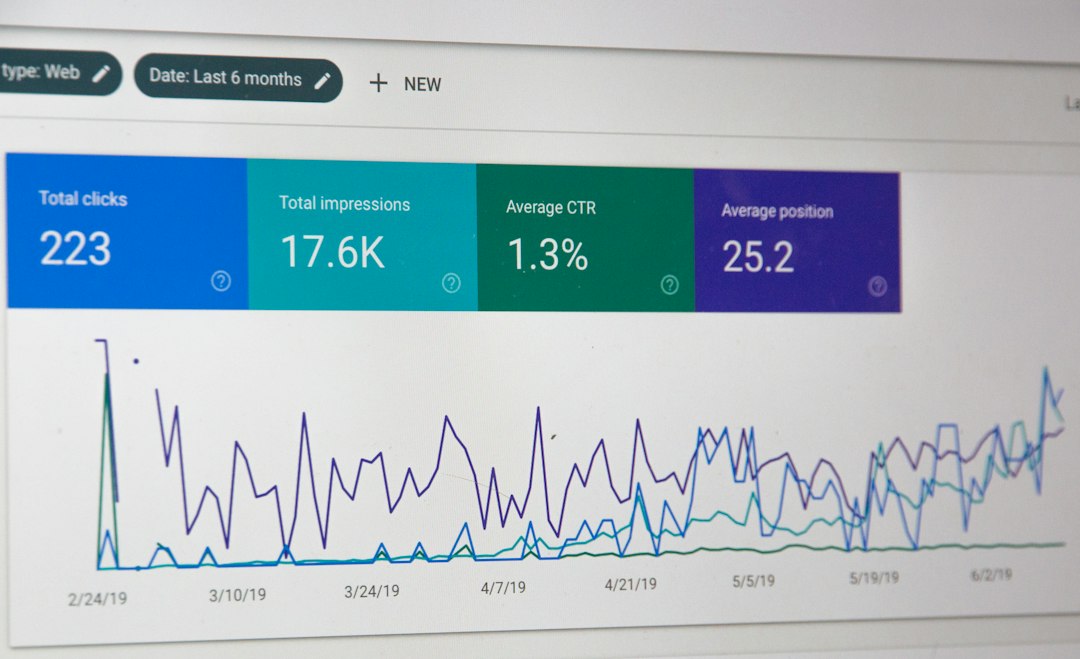
Do not judge recommendation software by clicks alone. Clicks are useful, but revenue matters more. Track these metrics before and after launch:
- Conversion rate by traffic source and device.
- Average order value from recommended products.
- Revenue per visitor on pages with AI widgets.
- Cart abandonment rate after personalized reminders.
- Repeat purchase rate from email and SMS recommendations.
- Gross margin so AI does not only push discounted products.
A practical test should run for at least two to four weeks, depending on traffic. Avoid changing too many things at once. If you redesign the cart, change pricing, and add AI recommendations in the same week, you will not know what caused the lift.
Final Recommendation
Nosto is the safest first pick for many growing ecommerce brands. Klaviyo is essential if email and SMS drive a large share of revenue. Bloomreach, Adobe Target, Dynamic Yield, and Salesforce Einstein are better for larger teams with bigger catalogs and more data.
The best setup is often a combination: onsite personalization, personalized search, and customer messaging working together. Keep the system measurable. Keep the rules clear. Most of all, make sure recommendations help the shopper, not just fill another widget on the page.