
Agentic Inbox on GitHub is worth testing if you want an email system that can reason, draft, classify, and act with approval, not just sort messages faster. The best use case is a team that gets too many repeat emails and wants an open, inspectable workflow instead of another black box inside Gmail or Outlook. It is not automatically better than an AI inbox app or a no-code automation stack. It depends on how much control, privacy, and setup pain you can handle.
TLDR: Agentic email tools are best for complex workflows, such as reading a customer request, checking context, drafting a reply, and creating a follow-up task. AI inbox apps are better for quick summaries, search, and writing help. Automation tools are best for predictable rules, like “if invoice arrives, save PDF and notify finance.” For example, a 12-person support team handling 450 emails a week might cut triage time by 30% with an agentic inbox, but only if approvals and error checks are built in.

What “Agentic Inbox on GitHub” Usually Means
An agentic inbox is an email interface or backend where an AI agent can take multi-step action. It does not just summarize a thread. It can decide what needs to happen next, call tools, update records, write drafts, label messages, and ask for human approval when risk is high.
On GitHub, this usually appears as an open-source project, reference app, or experiment. The code may connect to Gmail, Outlook, IMAP, Slack, calendars, CRMs, task managers, vector databases, or large language models. The appeal is simple: you can inspect the prompts, change the logic, and run parts of it yourself.
That matters. Email contains contracts, invoices, passwords, complaints, internal politics, and lots of messy human tone. A closed AI inbox might feel smooth, but you rarely see how it makes decisions. With an open GitHub project, you can at least review the plumbing.
Agentic Email Tools vs AI Inbox Apps
AI inbox apps focus on productivity inside the mailbox. Think summaries, smart replies, priority labels, semantic search, and writing suggestions. Tools in this category may sit inside Gmail, Outlook, Superhuman-style clients, Shortwave-style clients, or team inbox products.
Agentic email tools go further. They are more like assistants with a task list. A true agentic inbox might:
- Read a new email and identify the sender’s intent.
- Search previous threads for context.
- Check a calendar or CRM before drafting a reply.
- Create a ticket in Linear, Jira, or GitHub Issues.
- Ask for approval before sending anything external.
- Update labels and schedule a follow-up.
The difference sounds small until you use it. A summary tool saves minutes. An agent saves whole task chains. That is useful, but also riskier. If the agent misunderstands a refund request or sends the wrong attachment, the damage is real.
Honestly, it feels like many “AI inbox” products oversell this part. They call a smart reply “agentic” when it is really just autocomplete wearing a nicer jacket. A useful agent needs memory, tools, permissions, logs, and rollback options.
Where Automation Alternatives Still Win
Email automation tools such as Zapier, Make, n8n, Pipedream, and built-in Gmail or Outlook rules still have a strong place. They are not as flexible as agents, but they are predictable. That is a feature, not a weakness.
Use automation when the rule is clear:
- Invoices: Save attachments to a folder and alert accounting.
- Lead routing: Send emails from a form to the right sales queue.
- Support tags: Label emails that contain “refund,” “bug,” or “urgent.”
- Compliance: Archive messages from specific domains.
Expect to waste time on agent setup if the job is only “move this email to that folder.” A basic rule can do that in seconds. An AI agent may need API keys, scopes, prompts, rate limits, and monitoring. That is overkill for simple sorting.
Why GitHub Matters for Agentic Email
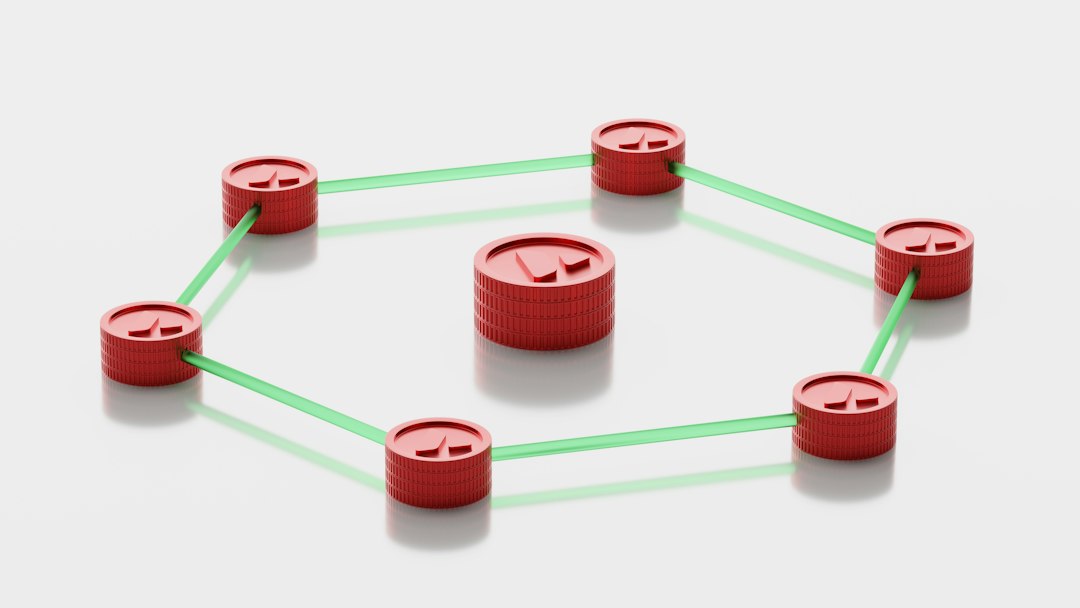
GitHub changes the buying question. You are not only asking, “Does this tool work?” You are asking, “Can my team trust, edit, and maintain this system?”
A GitHub-based agentic inbox gives technical teams several advantages:
- Prompt visibility: You can see how emails are interpreted.
- Custom actions: You can add your own tools and internal systems.
- Self-hosting options: You may keep more data under your control.
- Audit trails: You can log each AI decision and tool call.
- Approval gates: You can require a human check before sending or deleting.
But GitHub also brings friction. OAuth setup can be annoying. Local environment variables are easy to misplace. Email APIs have limits. Some projects look exciting but have thin docs, stale commits, or no tests. It drives me crazy that some demos hide the hardest part: safe permissions.
What to Check Before Running an Agentic Inbox
Before you connect any GitHub project to a real mailbox, inspect it like you would inspect payment software. Email is sensitive. A bad setup can leak private conversations or send messages no one approved.
Use this checklist:
- Permissions: Does it need full mailbox access, or can it use read-only mode first?
- Send controls: Can it draft without sending?
- Human approval: Can risky actions pause for review?
- Logs: Are decisions, prompts, and tool calls stored?
- Data retention: Where are emails, embeddings, and summaries saved?
- Model choice: Can you switch between hosted and local models?
- Failure handling: What happens when the model times out or returns nonsense?
- Maintenance: Are issues answered? Are dependencies current?
A safe first test is a copied mailbox, not the CEO’s live inbox. Feed it 200 old emails and score the outputs. Track false labels, weak drafts, missed urgency, and bad action choices. If the agent saves five hours but creates two serious mistakes, it is not ready.
Best Use Cases for Agentic Email
Agentic inboxes work best when email is part of a larger process. They shine when the next step is not obvious from one keyword.
Good fits include:
- Customer support: Summarize history, classify sentiment, draft replies, and open tickets.
- Sales operations: Identify buying signals, enrich contacts, and schedule follow-ups.
- Recruiting: Parse candidate replies, match them to roles, and suggest next steps.
- Founder inboxes: Separate investor, customer, hiring, and vendor threads with context.
- Internal operations: Turn requests into tasks with owners and deadlines.
Weak fits include personal email cleanup, newsletter sorting, and basic notification routing. An AI inbox or normal automation is normally cheaper and calmer for those jobs.
How It Compares on Cost and Effort
An AI inbox app is usually the fastest path. Sign in, grant access, and start using summaries or drafts. The tradeoff is less control. You accept the vendor’s interface, model choices, and privacy terms.
No-code automation sits in the middle. It is great for repeatable workflows. Costs can rise when task volume grows, but setup is friendly. Non-engineers can maintain many flows.
A GitHub agentic inbox needs more work. You may need a developer, hosting, API billing, monitoring, and security review. Yet it can pay off when email volume is high and workflows are unique. If a team spends 40 hours a month on triage, even a 25% reduction gives back 10 hours. That may justify the build.
The Smart Recommendation
Start small. Use an AI inbox if you only need summaries and better search. Use automation if your rules are stable. Test an Agentic Inbox on GitHub when your email work has judgment, context, and repeated handoffs.
The safest setup is draft first, approve second, automate third. Let the agent read and prepare. Let humans approve sends and sensitive updates. Only after weeks of clean logs should you grant more autonomy.
Agentic email is not magic. It is software with access to your conversations. Treat it with respect, measure it with real numbers, and avoid giving it more power than the workflow deserves.