
As organizations accelerate their digital transformation efforts, the need for secure, seamless authentication has never been more critical. Traditional password-based systems are increasingly vulnerable to phishing, credential stuffing, and brute-force attacks. As a result, businesses are turning to passwordless authentication solutions to strengthen access management while improving user experience. While Auth0 remains a popular choice in this space, several other platforms offer robust passwordless capabilities tailored to different organizational needs.
TLDR: Passwordless authentication reduces security risks and improves user experience by eliminating traditional passwords. Several platforms similar to Auth0 offer secure, scalable identity and access management solutions. This article explores four strong alternatives—Okta, Azure AD (Microsoft Entra ID), Ping Identity, and Magic—highlighting their key features, benefits, and differences. A comparison chart and FAQ section are included to help businesses choose the right solution.
Passwordless authentication works by verifying identity through alternatives such as biometric data, magic links, push notifications, hardware tokens, or device-based authentication. These methods reduce reliance on stored credentials and significantly lower the risk of breaches caused by compromised passwords.

Why Businesses Are Moving Toward Passwordless Authentication
Before exploring Auth0 alternatives, it is important to understand why passwordless systems are gaining traction:
- Improved Security: Eliminates password reuse and phishing vulnerabilities.
- Better User Experience: Reduces login friction and password reset requests.
- Lower IT Costs: Minimizes helpdesk tickets related to password recovery.
- Regulatory Compliance: Supports modern authentication standards like FIDO2 and WebAuthn.
With these advantages in mind, the following four platforms stand out as strong alternatives to Auth0 for secure access management.
1. Okta
Okta is one of the most recognized identity and access management (IAM) platforms globally. It provides comprehensive passwordless authentication through multiple verification methods, including biometric authentication, device trust, and phishing-resistant factors.
Key Features
- Support for WebAuthn and FIDO2 standards
- Adaptive multi-factor authentication (MFA)
- Single Sign-On (SSO) across thousands of applications
- Lifecycle management and automated provisioning
Okta integrates seamlessly with cloud and on-premise applications, making it suitable for enterprises managing hybrid environments. Its adaptive policies analyze contextual data such as device location and user behavior to dynamically determine authentication requirements.
Best suited for: Mid-size to large enterprises seeking an enterprise-grade IAM platform with scalable passwordless options.
2. Microsoft Entra ID (Azure Active Directory)
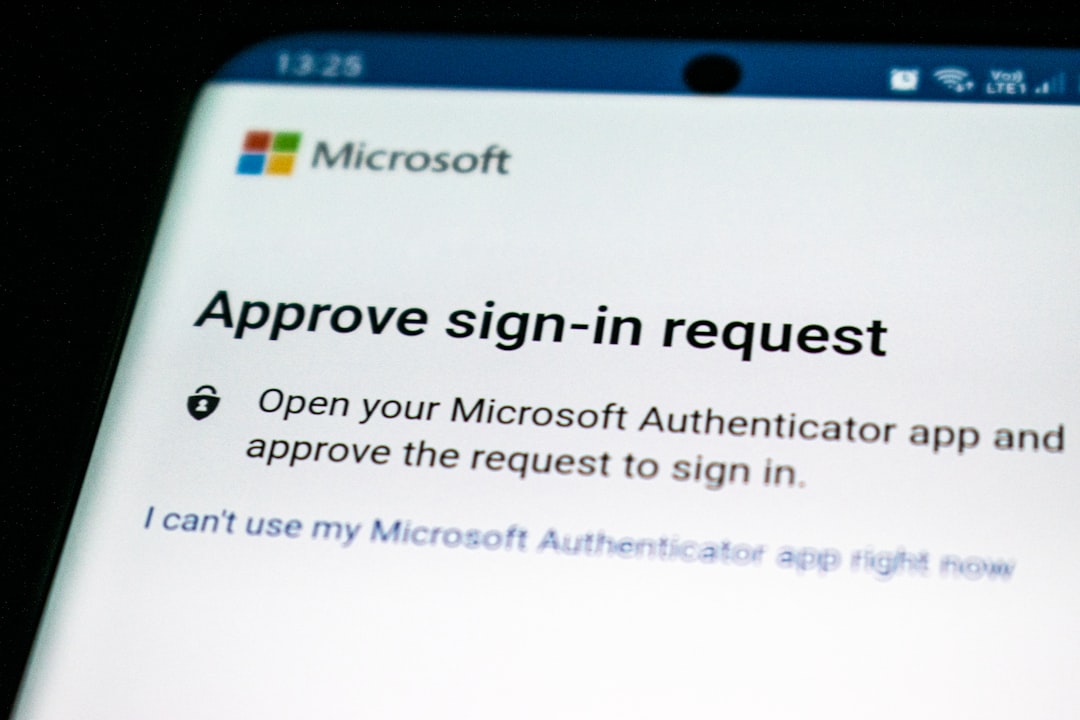
Formerly known as Azure Active Directory, Microsoft Entra ID delivers robust passwordless authentication tightly integrated within the Microsoft ecosystem. It enables login through Windows Hello, FIDO2 security keys, Microsoft Authenticator app approvals, and certificate-based authentication.
Key Features
- Passwordless phone sign-in via Microsoft Authenticator
- Biometric authentication with Windows Hello
- Conditional access policies
- Deep integration with Microsoft 365 and Azure services
Organizations already using Microsoft services benefit significantly from native integration and centralized identity oversight. Conditional access rules enhance security by evaluating risk signals before granting access.
Best suited for: Companies operating heavily within the Microsoft ecosystem that want streamlined integration and centralized policy management.
3. Ping Identity
Ping Identity provides enterprise-level identity security with strong passwordless authentication capabilities. It combines identity federation, adaptive authentication, and API security into one comprehensive platform.
Key Features
- PingOne DaVinci no-code identity orchestration
- Support for FIDO2, biometrics, and mobile push authentication
- Risk-based adaptive authentication
- Decentralized identity capabilities
Ping Identity is particularly strong in highly regulated industries such as finance and healthcare. Its identity orchestration tools allow businesses to design customized authentication flows without extensive coding.
Best suited for: Enterprises with complex security and compliance needs requiring flexible authentication journeys.
4. Magic
Magic offers a developer-focused passwordless authentication solution that simplifies login experiences for web and mobile applications. Instead of passwords, users authenticate via emailed magic links or device-based cryptographic keys.
Image not found in postmetaKey Features
- Magic link email authentication
- SDKs for web, iOS, Android, and blockchain applications
- Decentralized key management
- Quick integration for developers
Magic stands out for startups and SaaS platforms seeking fast deployment without building a full IAM infrastructure from scratch. Its API-first model allows rapid implementation and customization.
Best suited for: Startups, SaaS providers, and developers prioritizing simplicity and rapid integration.
Comparison Chart: Auth0 Alternatives for Passwordless Authentication
| Platform | Passwordless Methods | Best For | Integration Strength | Scalability |
|---|---|---|---|---|
| Okta | Biometrics, FIDO2, Push, WebAuthn | Enterprise organizations | Cloud and hybrid environments | High |
| Microsoft Entra ID | Windows Hello, FIDO2, Authenticator app | Microsoft-based companies | Microsoft ecosystem | High |
| Ping Identity | Biometrics, FIDO2, Adaptive MFA | Regulated industries | Enterprise systems | High |
| Magic | Magic links, Cryptographic keys | Startups and developers | API and SDK integrations | Moderate to High |
Choosing the Right Passwordless Authentication Platform
Selecting the right solution depends on several organizational factors:
- Infrastructure: Cloud-native vs. hybrid vs. on-premise environments.
- User Base: Internal employees, external customers, or both.
- Compliance Requirements: Industry regulations such as HIPAA, GDPR, or SOC 2.
- Development Resources: Whether custom authentication flows are required.
Enterprises prioritizing extensive policy controls and federation capabilities may lean toward Okta or Ping Identity. Companies embedded in the Microsoft ecosystem often find Entra ID to be the most seamless solution. Meanwhile, innovation-driven startups may benefit from Magic’s streamlined API model.
Ultimately, passwordless authentication is not just a security upgrade—it is a strategic shift that redefines how users interact with digital systems.
Frequently Asked Questions (FAQ)
1. What is passwordless authentication?
Passwordless authentication is a login method that verifies user identity without requiring a traditional password. Instead, it uses biometrics, magic links, hardware tokens, or device-based cryptographic credentials.
2. Is passwordless authentication more secure than passwords?
Yes. Passwordless methods reduce vulnerabilities such as phishing, password reuse, and brute-force attacks. Many solutions also use public-key cryptography, which prevents shared secret exposure.
3. Can small businesses implement passwordless authentication?
Absolutely. Platforms like Magic and even scalable tiers of larger providers offer accessible options for startups and small companies.
4. Do these platforms support multi-factor authentication (MFA)?
Yes. Most passwordless systems either include MFA by default or allow adaptive MFA policies for enhanced security.
5. How difficult is migration from password-based systems?
Migration complexity depends on infrastructure and user volume. Enterprise platforms often provide staged rollouts and hybrid models to ease transition.
6. Are passwordless solutions compliant with security regulations?
Many leading providers align with standards such as FIDO2, WebAuthn, GDPR, HIPAA, and SOC 2, but organizations should verify specific compliance needs.
7. Is Auth0 still a good option?
Auth0 remains a powerful and flexible identity platform. However, the alternatives discussed here may better fit certain technical environments, compliance requirements, or budget considerations.
As digital threats evolve, secure access management must evolve as well. Passwordless authentication represents a forward-thinking approach that balances strong security with frictionless user experience, making it a critical component of modern identity strategies.