
The best SaaS marketing stack is small, clear, and tied to revenue. A team can cover SEO, content, email, and campaign analytics with seven tools instead of buying every shiny dashboard it sees. Email still deserves a seat at the table, since Litmus reported an average return of $36 for every $1 spent [source: Litmus]. That makes email, search, and analytics a practical mix for companies that need proof, not noise.
TLDR: A smart SaaS stack might use Semrush for SEO, Clearscope for content, Mailchimp for email, and GA4 for campaign tracking. For example, a B2B startup spending $8,000 per month on content could track a 22% rise in organic demo requests after fixing keyword gaps and updating old posts. The best setup is not the biggest one. It is the one the team actually uses every week.

1. Semrush for SEO planning
Semrush is useful for keyword research, rank tracking, competitor checks, and site audits. It helps marketing teams see which search terms are worth chasing and which pages need work. The keyword difficulty scores are handy, though no score should be treated as truth.
Its site audit tool can flag broken links, slow pages, missing tags, and crawl errors. For SaaS teams, this matters because trial pages, feature pages, and comparison pages often bring high-intent traffic. The annoying part is the interface can feel crowded. A new user may need a few sessions before reports stop feeling buried.
2. Ahrefs for backlink and content gap research
Ahrefs is strong for backlink tracking, competitor content research, and organic traffic estimates. It is especially helpful when a SaaS company needs to know why a rival ranks above it. The content gap report shows keywords competitors rank for while the company does not.
That insight can shape new blog posts, landing pages, and product comparison pages. It also helps teams find link prospects. The data is not perfect, but it is clear enough to guide smart SEO decisions.
3. Screaming Frog for technical SEO audits
Screaming Frog SEO Spider is less flashy than many SaaS tools, but it is hard to beat for technical checks. It crawls a website and finds missing titles, duplicate descriptions, broken links, redirect chains, and thin pages.
For a SaaS site with hundreds of help articles and product pages, this can save hours. It also exports clean data for developers. Honestly, it feels like a tool built for people who would rather fix issues than admire colorful charts.

4. Clearscope for content optimization
Clearscope helps writers build content around search intent. It scores drafts based on topic coverage, related terms, readability, and competing pages. This is helpful when a team wants writers to create useful pages without stuffing keywords everywhere.
It works well for long-form blog posts, product education, and glossary pages. A content manager can give writers a target score and a clear brief. The catch is that it can make average writing sound similar if teams follow every suggestion too closely. Human editing still matters.
5. HubSpot Marketing Hub for lead capture and nurture
HubSpot Marketing Hub brings landing pages, forms, email flows, CRM data, lists, and campaign tracking into one system. It is a strong choice for SaaS companies that need to connect marketing activity to contacts and deals.
A team can build a lead magnet, send follow-up emails, score leads, and pass warm accounts to sales. That makes reporting easier. It also reduces the mess caused by five separate tools with half-broken connections.
The downside is price. Costs can rise fast as contacts grow and teams add features. Companies should map their needs before picking a tier.
6. Mailchimp for email campaigns
Mailchimp is a good fit for small SaaS teams that need email newsletters, basic automation, signup forms, and list segmentation. It is easier to start with than many enterprise email tools.
Teams can send product updates, onboarding tips, trial reminders, and webinar invites. The reporting shows opens, clicks, unsubscribes, and revenue data when ecommerce or payment tools are connected. Some automation paths can feel limited, but for simple campaigns, it does the job without a long setup.
7. Google Analytics 4 for campaign analytics
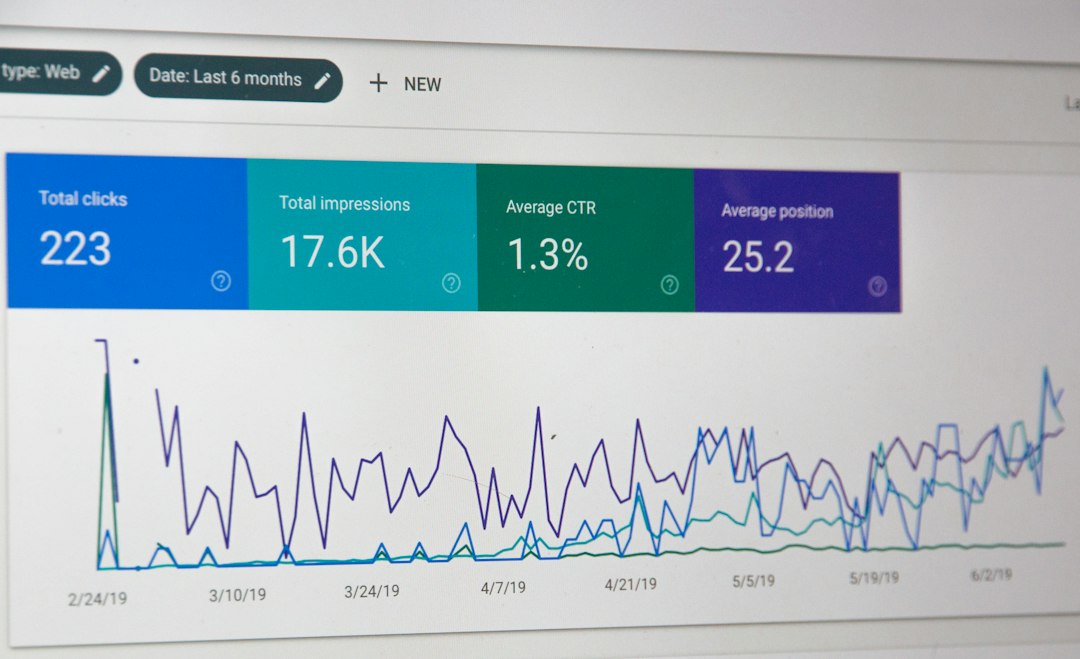
Google Analytics 4 tracks traffic, conversions, events, and campaign performance. It helps teams see where visitors came from and what they did next. This matters for paid ads, organic search, email, social posts, and partner campaigns.
Marketers can track demo requests, free trial starts, pricing page visits, and content engagement. Expect to waste time on event setup if naming rules are not agreed on early. One campaign named three different ways can ruin a report fast.
How teams should choose the right mix
A SaaS company does not need every tool on day one. It should start with the job that hurts most. If traffic is weak, SEO tools should come first. If leads are leaking after signup, email and CRM tools matter more. If no one trusts the numbers, analytics needs attention before new campaigns begin.
- For SEO: Semrush, Ahrefs, and Screaming Frog make a strong trio.
- For content: Clearscope helps teams create pages that match search intent.
- For email: Mailchimp works for simple campaigns, while HubSpot suits deeper paths.
- For analytics: GA4 gives a base view of campaign results and conversions.
The best stack should answer four questions: What brings traffic? What converts? What keeps leads warm? What creates revenue? If a tool cannot help answer one of those, it may be extra weight.
FAQ
What is the best SaaS marketing tool for SEO?
Semrush is a strong all-around choice. Ahrefs is excellent for backlinks and competitor research. Many teams use both, but smaller teams can start with one.
Which tool is best for SaaS content marketing?
Clearscope is useful for search-focused content. It helps writers cover the right subtopics and match user intent without guessing.
Is Mailchimp enough for a SaaS company?
Mailchimp is enough for newsletters, simple automation, and early lead nurturing. Larger SaaS teams may need HubSpot when sales handoff, lead scoring, and CRM data become more important.
Why is GA4 included if it is not a pure marketing suite?
GA4 is included because campaign analytics are useless without conversion tracking. It shows which channels send traffic and which ones drive real actions.
How many tools should a SaaS team start with?
Most small teams should start with three or four tools. A practical setup could include one SEO tool, one content tool, one email tool, and one analytics tool.