
SEO in 2026 is not magic. It is more like gardening. You plant good pages. You study what grows. You remove weeds. Then you repeat, with snacks.
TLDR: Open source SEO tools can help marketers track rankings, audit pages, study traffic, and crawl websites without paying huge monthly fees. The best picks for 2026 are Matomo, SerpBear, Google Lighthouse, Scrapy, and SEO Panel. They are flexible, useful, and friendly to teams that like control. You may need a little setup help, but the payoff can be big.
Why open source SEO tools matter in 2026
Marketing budgets are under pressure. Search is changing fast. AI answers are eating some clicks. Privacy rules are tighter. Also, every tool wants a subscription.
That is why open source SEO tools are having a moment.
They give marketers more control. You can host data yourself. You can adjust the tool. You can avoid vendor lock in. You can also learn what is really happening under the hood.
Of course, open source does not mean “zero work.” Some tools need hosting. Some need setup. Some need a developer friend who drinks too much coffee. But once they run, they can be powerful.
Here are five open source SEO tools marketers should know in 2026.
1. Matomo: privacy friendly web analytics
Best for: tracking traffic, conversions, campaigns, and user behavior.
Matomo is a strong alternative to hosted analytics platforms. It helps you see how people find your site. It shows which pages get traffic. It tracks goals, events, ecommerce, and campaigns.
For SEO, this matters a lot. Rankings are nice. Traffic is better. Conversions are best.
With Matomo, you can answer simple questions:
- Which organic landing pages bring visitors?
- Which pages convert visitors into leads?
- Which blog posts are fading?
- Which search traffic is worth more?
Matomo is also useful in a privacy first world. You can self host it. You can keep more control over data. This is great for teams in regulated industries.
Fun marketer move: create a segment for organic traffic only. Then watch what those visitors do. It is like putting tiny detective hats on your analytics.
2. SerpBear: simple rank tracking
Best for: tracking keyword positions without a giant SEO suite.
SerpBear is an open source rank tracking tool. It lets you monitor keywords and see how your pages move in search results over time.
This is useful because SEO can be slow. One week, your page is on page three. Two weeks later, it is near the top. Or it falls into the digital basement. You need to know.
SerpBear helps you track:
- Keyword rankings
- Ranking changes
- Search result movement
- Multiple domains or projects
It is not trying to be a massive all in one platform. That is part of the charm. It does one important job and keeps things simple.
For marketers in 2026, rank tracking still matters. But it should not be the only metric. Use SerpBear with Matomo. Then you can compare ranking changes with traffic and conversions.
Simple rule: if rankings go up but leads stay flat, keep digging. Maybe the keyword has low intent. Maybe the page is boring. Maybe your call to action is hiding like a shy turtle.
3. Google Lighthouse: quick technical SEO audits
Best for: checking performance, accessibility, best practices, and SEO basics.
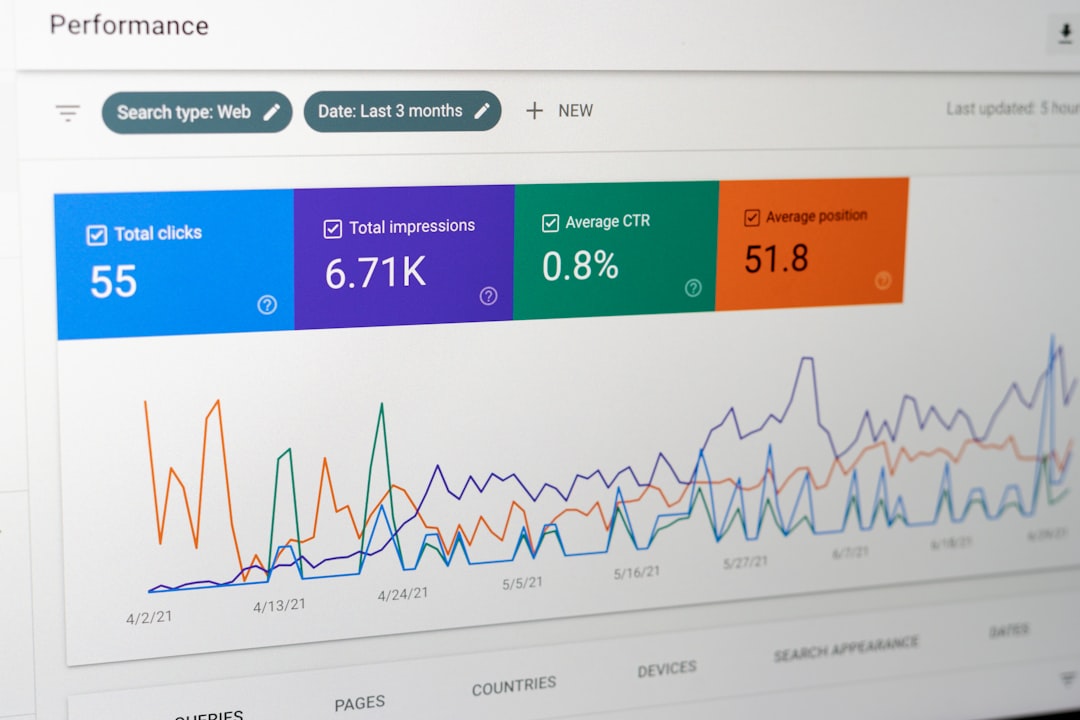
Lighthouse is open source and built into Chrome DevTools. You can also run it from the command line or in automated workflows.
It audits a page and gives scores for several areas. For SEO, it checks basic items like titles, meta descriptions, crawlability, mobile friendliness, and structured data hints.
But the real joy is speed testing. Fast pages make users happier. Happy users stick around. Search engines tend to like that too.
Lighthouse can help you spot issues like:
- Slow loading pages
- Large images
- Missing meta tags
- Poor mobile experience
- Accessibility problems
It is not a full SEO strategy tool. It will not write your content plan. It will not tell you why your competitor has 900 backlinks and a suspiciously perfect blog. But it will catch common technical problems fast.
Best use: run Lighthouse before publishing important landing pages. Think of it as a pre flight checklist. No one wants to launch a rocket with a loose door.
4. Scrapy: build your own SEO crawler
Best for: custom crawling, data collection, and large site checks.
Scrapy is an open source Python framework for web crawling. It is not a plug and play SEO app. It is more like a box of powerful Lego bricks.
With Scrapy, a technical marketer or developer can build crawlers that collect SEO data from websites. You can check titles, headings, canonicals, status codes, internal links, and more.
This is perfect when standard tools do not fit your needs.
You might use Scrapy to:
- Crawl thousands of product pages
- Find missing title tags
- Check internal links at scale
- Monitor competitor page changes
- Collect structured data examples
Scrapy is flexible. That is the beauty. It is also the challenge. You need someone who can code. But if your site is large or unusual, this can be a huge advantage.
Marketer tip: start small. Ask for a crawler that checks only one thing, like missing H1 tags. Then grow from there. Do not try to build a robot octopus on day one.
5. SEO Panel: classic SEO management dashboard
Best for: managing SEO tasks in one open source control panel.
SEO Panel is an open source SEO management tool. It has been around for years, which is a good sign. Tools that survive the internet jungle deserve respect.
SEO Panel can help with rank tracking, site auditing, backlink checks, and reporting. It also supports plugins, so teams can extend it.
It is useful for small agencies, freelancers, and in house marketers who want a single place to manage SEO work.
Common uses include:
- Tracking keyword positions
- Auditing website issues
- Watching backlinks
- Creating SEO reports
- Managing multiple websites
The interface may not feel as shiny as big paid platforms. But shiny is not the same as useful. A plain tool that gets the job done can be a hero in disguise.
Best fit: teams that want a central SEO workspace and are comfortable hosting their own tools.
How to choose the right tool
Do not install everything at once. That leads to dashboard soup. Nobody likes dashboard soup.
Instead, match the tool to your main problem:
- Need traffic insights? Use Matomo.
- Need rank tracking? Use SerpBear.
- Need quick page audits? Use Lighthouse.
- Need custom crawling? Use Scrapy.
- Need an SEO control panel? Use SEO Panel.
Also think about your team. If you have no developer help, choose the simpler tools first. If you have technical support, Scrapy can open many doors.
Final thoughts
Open source SEO tools will not replace strategy. They will not fix weak content. They will not make boring pages exciting. Sadly, they also will not make your coffee.
But they can give marketers better data, more control, and lower costs. That matters in 2026.
Start with one tool. Use it well. Build a habit. Track what changes. Then add another tool when you need it.
SEO is not about having the biggest toolbox. It is about using the right tool at the right time. And maybe keeping a snack nearby.