
Pick WP Rocket if you want faster WordPress with less fuss. Pick W3 Total Cache if you want free controls and do not mind tinkering. Both can improve site speed, but they feel very different in real life.
TLDR: WP Rocket is the easier choice for most site owners. W3 Total Cache is powerful, but it can feel like a cockpit with too many switches. For example, a small blog that loaded in 4.2 seconds could drop to around 2.1 seconds with WP Rocket after setup, while W3 Total Cache might reach similar numbers after more testing. If your time is worth money, WP Rocket often wins.
Why speed matters so much
A slow WordPress site is painful. People tap your link. They wait. Then they leave. Rude? Maybe. Normal? Very.
Speed affects:
- Search rankings, because Google cares about page experience.
- Sales, because slow checkout pages kill trust.
- Ad income, because fewer page views mean less money.
- User mood, because nobody likes a spinning wheel.
Even one extra second can hurt. A page that loads in 2 seconds feels smooth. A page that loads in 6 seconds feels broken, even if it is not.
The quick answer: WP Rocket vs W3 Total Cache
WP Rocket is a paid caching plugin. It is built for ease. You install it, turn on a few options, and your site often feels faster right away.
W3 Total Cache has a free version. It gives you many settings. Page cache. Browser cache. Object cache. CDN controls. Minify tools. Lots of buttons. Maybe too many buttons.
The catch is, W3 Total Cache can be brilliant or annoying. One wrong setting can break a menu, a slider, or checkout. Then your “quick speed fix” becomes a mystery hunt at 11:43 p.m. Great fun. Not really.
What WP Rocket does well
WP Rocket is popular because it makes speed work feel simple.
It can handle:
- Page caching, so pages load from saved copies.
- Cache preloading, so visitors do not wait for the first build.
- Browser caching, so repeat visits are faster.
- File optimization, such as minifying CSS and JavaScript.
- Delay JavaScript, which helps pages feel ready sooner.
- Lazy loading, so images load only when needed.
- Database cleanup, which removes old junk.
The best part is the setup. Most users can install WP Rocket and get value in under 10 minutes. That is not magic. It is just good design.
WP Rocket also plays well with many themes, builders, and shops. It works with WooCommerce. It can avoid caching cart and checkout pages. That matters. A cached cart can get weird fast.
Where WP Rocket can annoy you
WP Rocket costs money. There is no free version. That alone may be a deal breaker for hobby sites.
Some advanced tools also need care. If you delay JavaScript too hard, a form may stop loading. If you remove unused CSS, the first test may look odd. You may need to exclude files. That is normal, but still a bit irritating.
Honestly, it feels like speed plugins always ask for “just one more test.” Still, WP Rocket makes those tests less painful.
What W3 Total Cache does well
W3 Total Cache is for people who want control. It has been around for years. It can be very fast when set up well.
It can manage:
- Page cache, including disk-based caching.
- Browser cache, for repeat visitors.
- Database cache, useful on some setups.
- Object cache, often paired with Redis or Memcached.
- CDN settings, for serving files from global servers.
- Minify settings, for CSS, JS, and HTML.
This makes it attractive for developers. It is also appealing if your budget is zero. Free speed gains are nice. Everyone likes free.
Where W3 Total Cache gets messy
W3 Total Cache has many settings. Too many for casual users.
You may see options for disk cache, opcode cache, object cache, CDN paths, minify modes, and user agent groups. If that sounds exciting, you may love it. If that sounds like tax software, you may not.
Expect to waste time on trial and error. A setting may improve a test score, then break a sticky header. Another setting may lower server load, then cause stale content. You clear cache. You test again. You sigh.
W3 Total Cache is not bad. It is just less friendly. It rewards patience.
Simple comparison table
| Feature | WP Rocket | W3 Total Cache |
|---|---|---|
| Price | Paid only | Free version available |
| Ease of use | Very easy | Can be confusing |
| Setup time | About 5 to 15 minutes | About 30 to 90 minutes |
| Best for | Bloggers, stores, business sites | Developers and technical users |
| Risk of breaking things | Low to medium | Medium to high |
Which one improves performance more?
There is no single winner for every site. Hosting matters. Theme quality matters. Image size matters. A bloated page builder can still drag everything down.
That said, WP Rocket often gives better results faster. It enables useful features with smart defaults. Many sites see better Core Web Vitals after turning on caching, lazy loading, and JavaScript delay.
W3 Total Cache can match or even beat it on some setups. This is more likely when a developer tunes it with Redis, a CDN, and proper server rules. But that takes skill.
For a normal site owner, real performance is not just the final score. It is also the time spent getting there.
Best settings to try in WP Rocket
Start with these:
- Turn on mobile cache.
- Use cache preloading.
- Enable minify CSS and minify JavaScript.
- Try delay JavaScript execution.
- Enable lazy loading for images.
- Clean the database once in a while.
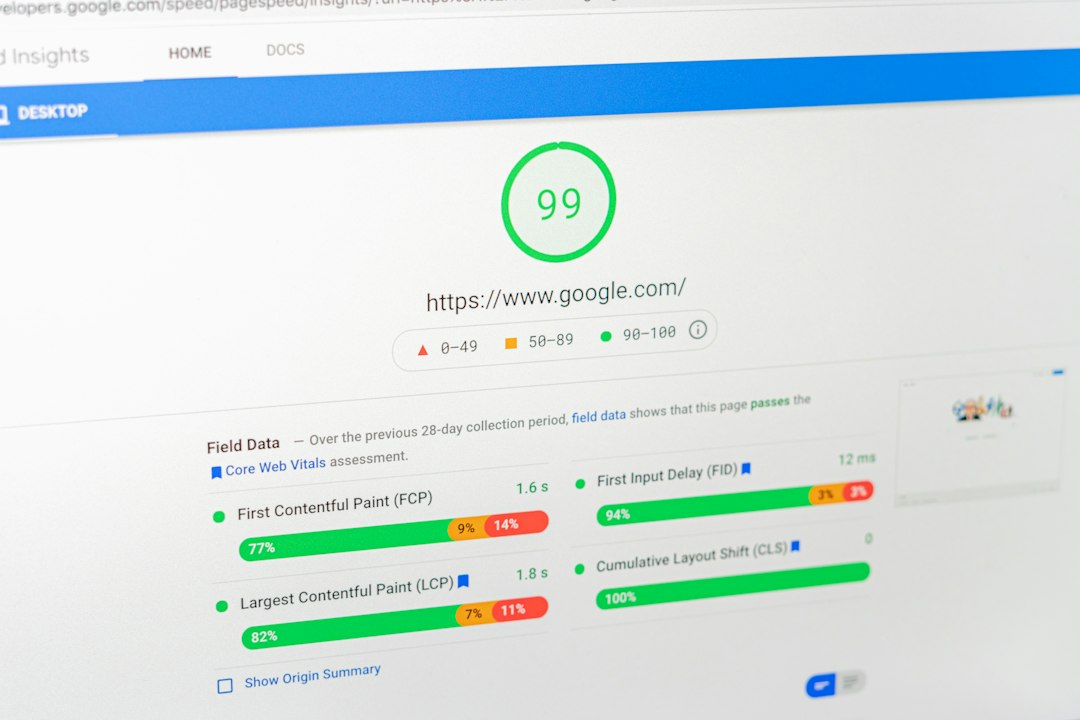
Test after each major change. Use PageSpeed Insights, GTmetrix, or WebPageTest. Do not chase a perfect score. Chase a site that feels fast.
Best settings to try in W3 Total Cache
Start simple here too.
- Enable Page Cache.
- Use Disk Enhanced if you are on basic shared hosting.
- Enable Browser Cache.
- Be careful with Minify. Test every page type.
- Use Object Cache only if your host supports it well.
- Connect your CDN if you use one.
Do not switch on every feature at once. That is how chaos begins. Turn on one setting. Test. Then move on.
Which plugin should you choose?
Choose WP Rocket if you run a business site, blog, course site, or WooCommerce store. It saves time. It is easier to manage. It gives strong results without making you feel like you need a server manual.
Choose W3 Total Cache if you have a tight budget or enjoy technical tuning. It is also a solid pick if you have a developer who knows caching well.
If your site makes money, WP Rocket is usually worth the fee. If your site is a side project, W3 Total Cache can be enough.
Final verdict
WP Rocket wins for simplicity. W3 Total Cache wins for free control.
For most people, WP Rocket is the better speed optimization plugin. It is quick, clean, and friendly. W3 Total Cache is strong, but it asks for more patience.
Before installing either one, fix the basics. Compress images. Remove unused plugins. Use good hosting. Pick a light theme. A caching plugin helps a lot, but it cannot turn a messy site into a rocket by itself.
If you want the least stress, choose WP Rocket. If you want to tweak every knob, choose W3 Total Cache. Either way, test before and after. Numbers beat guesses every time.