
The houseplant world is home to many exotic, stunning species, but few captivate collectors and green-thumbed hobbyists quite like the mysterious and rare Begonia ferox. Known for its mesmerizing dark foliage with unique spiked textures, this rare species hails from China and requires thoughtful care to truly thrive indoors. Because of its rarity and distinct needs, cultivating Begonia ferox can be both challenging and rewarding for enthusiasts familiar with plant maintenance.
TLDR (Too long, didn’t read)
The Begonia ferox is a rare, visually striking houseplant with unique black spiked textures on deep green leaves. It thrives in high humidity, indirect light, and well-aerated soil. Regular care includes consistent moisture, warm temperatures, and occasional fertilization. Proper placement, watering routines, and an understanding of its natural habitat are key to success with this rare beauty.
What Makes Begonia Ferox Unique?
Known as one of the most visually elaborate begonias, Begonia ferox stands out due to its dramatic leaf structure. Native to southwest China, it features deep green, textured leaves with protruding blackish-red bullae (spiked protuberances) that give it a semi-ferocious appearance—hence the name “ferox,” which means “fierce” in Latin. This rare species is still relatively new to cultivation and fetches high demand among collectors.
Image not found in postmetaIdeal Indoor Growth Conditions
The beauty of Begonia ferox can be maintained only if its original habitat is mimicked indoors. This entails maintaining specific environmental conditions that align with the warm, moist, and diffused-light conditions of the subtropical forest floor.
1. Light Requirements
- Indirect Light: Begonia ferox flourishes best in bright but indirect light. Avoid exposing it to direct sunlight, which could scorch its leaf surfaces.
- Filtered Sunlight: A north or east-facing window with sheer curtains provides optimal exposure for this species.
2. Temperature and Humidity
- Temperature Range: It thrives in temperatures between 65–80°F (18–27°C).
- Humidity Needs: Humidity should be maintained above 60%. The plant may suffer from crisping leaves if the air is too dry.
- Pro Tip: Use a humidifier or pebble tray near the plant to give it the humidity boost it needs.
3. Soil Preferences
- Well-Draining Soil: A mix that can hold moisture without becoming soggy is essential.
- Recommended Soil Mix: Use a blend of peat moss, perlite, and orchid bark to ensure proper aeration.
Watering Needs & Schedule
One of the most common mistakes plant caretakers make with Begonia ferox is improper watering. Understanding its native environment helps maintain its vigor.
- Moisture Balance: Keep the soil consistently moist but not waterlogged. Overwatering may lead to rhizome rot, while underwatering can cause drooping or crispy foliage.
- Top Tip: Use a moisture meter or perform the finger test—if the top inch feels dry, it’s time to water.
- Water Quality: Use filtered or rainwater when possible to avoid mineral buildup from tap water.
Fertilizing For Healthy Growth
While Begonia ferox is slow-growing, it still benefits from occasional feeding, especially during its active growth periods.
- Frequency: Feed monthly with a balanced, water-soluble fertilizer diluted to half strength during the growing season (spring and summer).
- Type of Fertilizer: Choose a fertilizer high in micro-nutrients to support foliar health and color.
Potting and Repotting Tips
This rare begonia prefers to grow snugly in its pot but will eventually require more room as it matures.
- Pot Choice: Use a pot with good drainage holes to avoid waterlogging.
- When to Repot: Ideally every 1–2 years or when roots start to emerge from the drainage holes.
- Be Gentle: Begonia ferox has fragile roots; handle carefully during repotting to avoid damage.
Pests and Common Problems
Despite its intimidating look, Begonia ferox is just as vulnerable to pests and diseases as other houseplants. Keep an eye out for:
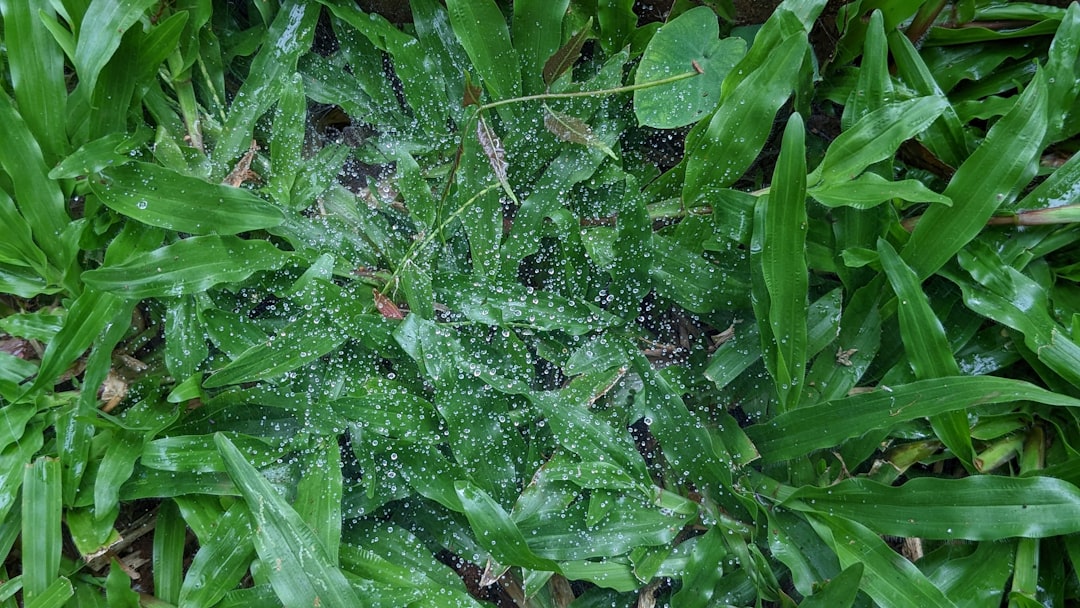
- Spider Mites: These thrive in dry conditions and can form fine webbing.
- Mealybugs and Fungus Gnats: These are attracted to high humidity and moist soil.
- Signs of Trouble: Yellowing leaves, sticky residue, or leaf drop are all signs something may be wrong.
Use neem oil sprays or insecticidal soap as a preventative measure or treatment when needed.
Propagation Challenges
Unlike common begonias, Begonia ferox can be a challenge to propagate. Traditional methods like leaf or rhizome cuttings may not always guarantee new growth.
- Method: Rhizome division is the most successful technique, but it should be reserved for when the plant is mature and healthy.
- Growth Rate: Even under the right conditions, don’t expect rapid growth—patience is key with this species.
Where to Display Begonia Ferox Indoors
The location of your Begonia ferox inside your home greatly affects its health and appearance over time.
- Best Placement: Place it near an east-facing window or behind a translucent curtain in brighter rooms.
- Caution: Avoid drafts or areas near HVAC vents that may dry out the air quickly.
- Display Tip: Use a decorative ceramic pot to enhance its already luxurious appearance.
Final Thoughts
The Begonia ferox makes a jaw-dropping addition to any indoor plant collection—but it’s not for the faint-hearted gardener. Its unique appearance is matched by its particular needs, rewarding those who offer time, humidity, and care with a stunning natural sculpture of a plant. With vigilance and proper conditions, Begonia ferox can thrive indoors for many years, becoming a living conversation piece all its own.
Frequently Asked Questions (FAQ)
-
Q: Is Begonia ferox toxic to pets?
A: Yes, like many begonias, it contains oxalates that can be harmful to cats and dogs if ingested. -
Q: How fast does Begonia ferox grow?
A: It grows slowly, often producing only a few new leaves during an entire growing season. -
Q: Can it live under artificial or grow lights?
A: Absolutely. Use a full-spectrum LED grow light placed at an appropriate distance to avoid overheating or burning leaves. -
Q: Why are the tips of my Begonia ferox leaves turning brown?
A: This often indicates low humidity or exposure to dry air. Increase ambient moisture or move plant away from airflow sources. -
Q: Does it flower indoors?
A: Flowers are rare and small. Most people grow this plant for its leaves rather than blooms.