
The laundry industry has undergone a profound transformation over the past decade. What was once a purely walk-in, neighborhood-based service model is now increasingly powered by mobile technology, route optimization software, and integrated logistics systems. Laundry pickup and delivery apps are at the forefront of this change, enabling laundromats, dry cleaners, and commercial laundry providers to reach more customers, streamline operations, and significantly increase revenue without opening new physical locations.
TLDR: Laundry pickup and delivery apps help laundromats and dry cleaners expand beyond foot traffic and serve customers at their convenience. These platforms streamline scheduling, routing, payments, and customer communication. By automating operations and offering seamless mobile experiences, businesses can grow faster while reducing overhead. Choosing the right app can dramatically improve scalability and customer retention.
Why Pickup and Delivery Is No Longer Optional
Today’s customers expect convenience. From groceries to pharmacy items, nearly every essential service has incorporated on-demand delivery. Laundry is no exception. Customers increasingly prefer services that:
- Allow mobile scheduling
- Offer real-time pickup tracking
- Provide digital payments
- Send automated status notifications
- Store preferences for detergent, folding, or special handling
Without an integrated pickup and delivery system, laundry businesses risk losing customers to competitors who provide this added convenience.
How Laundry Pickup and Delivery Apps Expand Your Reach
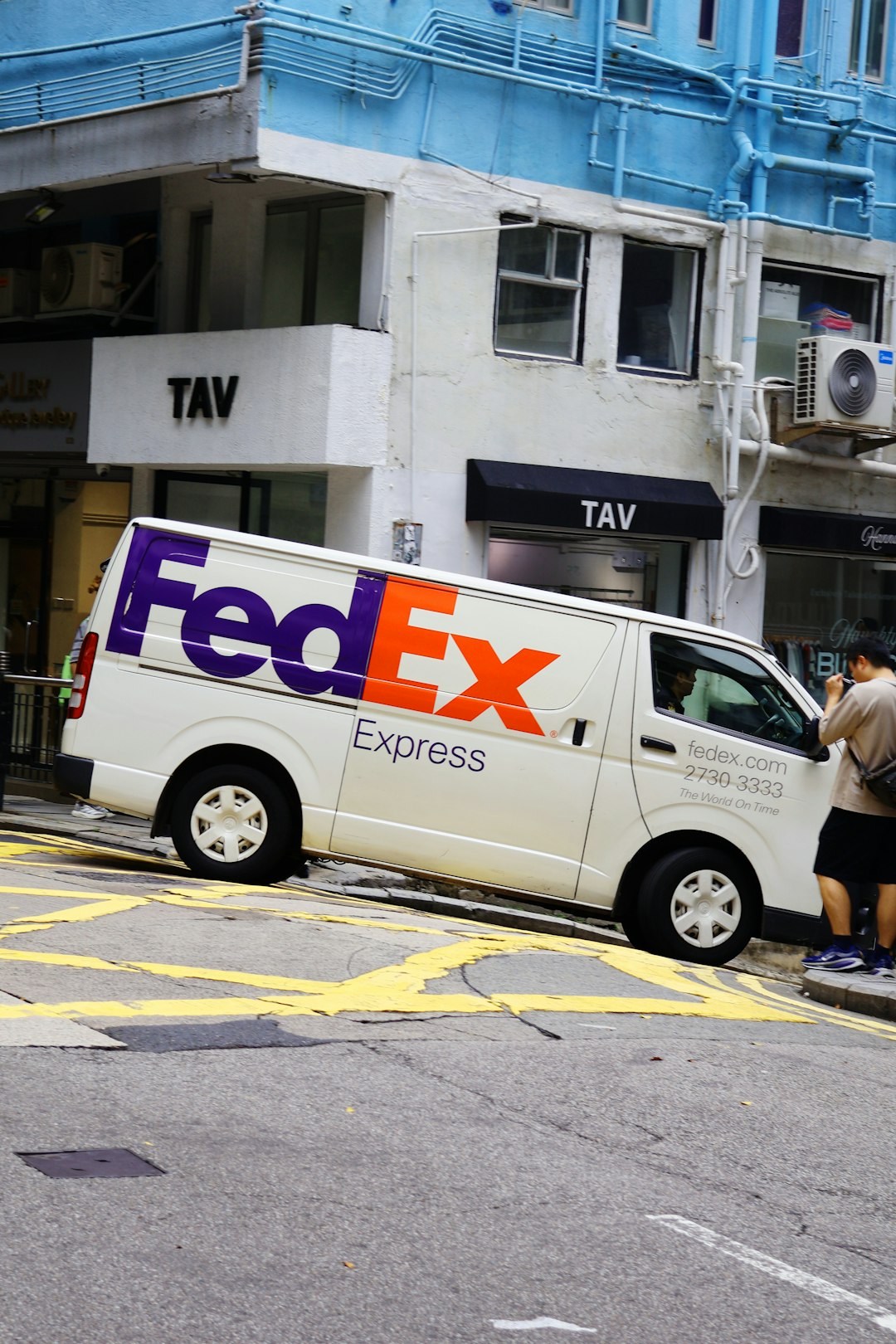
A traditional laundromat depends heavily on walk-in traffic within a limited radius. However, a digital pickup and delivery platform removes geographic limitations. You can now:
- Serve customers across multiple neighborhoods without opening new stores.
- Operate recurring subscriptions for weekly or bi-weekly laundry plans.
- Target commercial clients such as salons, gyms, restaurants, and clinics.
- Capture time-constrained customers who would not normally visit your location.
This expanded service area dramatically increases potential revenue while maintaining centralized processing facilities.
Core Features to Look for in a Laundry Delivery App
Not all apps provide the same level of functionality. When evaluating a platform, prioritize systems that include:
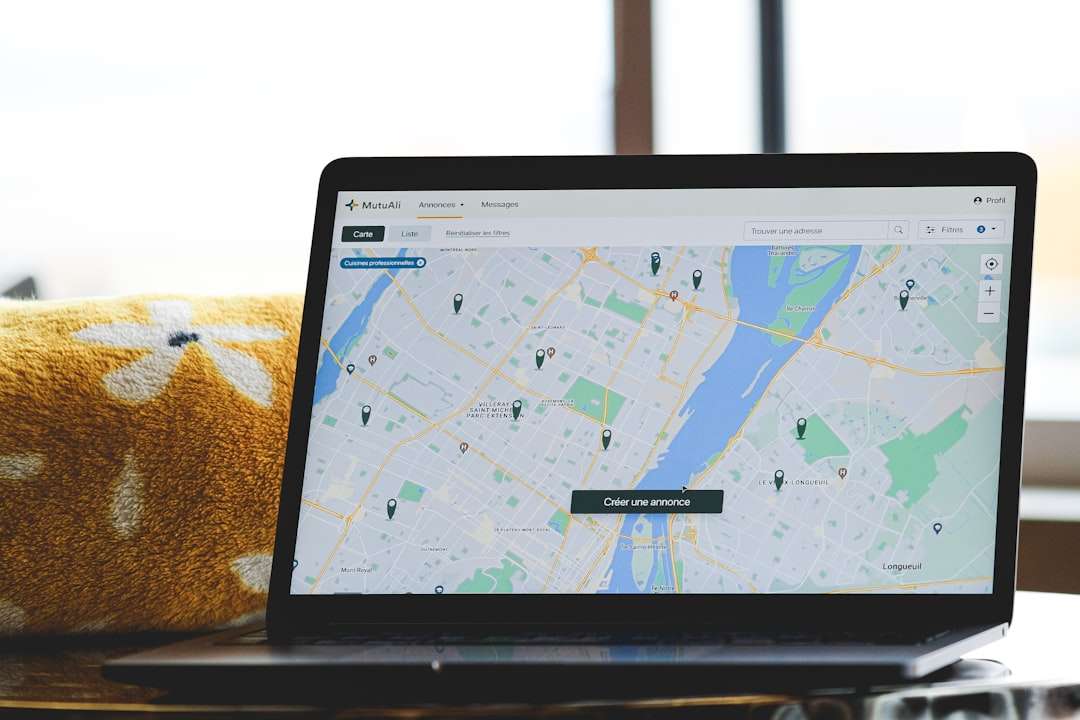
1. Customer-Facing Mobile App
- Easy account creation
- Flexible scheduling calendars
- Integrated payments
- Real-time order tracking
- Push notifications
2. Admin Dashboard
- Order management panel
- Pricing configuration
- Promotional tools
- Customer history and preferences
3. Driver Management System
- Route optimization
- GPS tracking
- Proof of pickup and delivery
- Driver performance analytics
4. Automation Capabilities
- Recurring billing
- Subscription plans
- Automated SMS and email updates
- Invoice generation
Key Benefits for Laundry Businesses
Increased Revenue Streams
By adding delivery services, businesses often see a measurable average ticket increase. Pickup customers typically submit larger loads or opt for premium services such as express turnaround or specialty care.
Operational Efficiency
Manual scheduling by phone creates inefficiencies and errors. Automated platforms minimize administrative work, reducing overhead costs and staff workload.
Enhanced Customer Loyalty
Convenience builds habitual usage. Subscription-based pickup services ensure predictable weekly revenue and stronger long-term retention.
Data-Driven Decision Making
Advanced apps provide performance metrics such as:
- Customer acquisition cost
- Retention rate
- Average order value
- Delivery zone profitability
These insights enable smarter expansion strategies.
Top Laundry Pickup and Delivery Platforms
Below are several widely recognized platforms designed specifically for laundromats and dry cleaners:
- LaundryOS
- CLEO
- Geelus
- CleanCloud
- StarchUp
Comparison Chart
| Platform | Mobile App | Route Optimization | Subscription Support | POS Integration | Best For |
|---|---|---|---|---|---|
| LaundryOS | Yes | Yes | Yes | Yes | Growing delivery operations |
| CLEO | Yes | Yes | Yes | Limited | Small to mid-sized businesses |
| Geelus | Customer web app | Limited | Yes | Strong | Retail dry cleaners |
| CleanCloud | Yes | Add-on | Yes | Strong | Multi-location operators |
| StarchUp | Yes | Yes | Yes | Moderate | Route-focused delivery businesses |
How Delivery Apps Improve Customer Experience
Customer expectations are shaped by industries such as ride-sharing and food delivery. Laundry apps now replicate that level of convenience with:
- Live order tracking so customers know exactly when drivers arrive.
- Digital order histories for easy reordering.
- Cashless checkout with saved payment methods.
- Preference memory for hypoallergenic detergents or folding styles.
This professional, tech-enabled experience builds credibility and positions your business as modern and reliable.

Scaling Without Adding Locations
Opening a second storefront requires high capital investment, lease commitments, equipment procurement, and staffing. In contrast, expanding via delivery services requires:
- One additional vehicle
- One trained route driver
- Digital marketing targeting nearby ZIP codes
This asset-light scaling model keeps fixed costs manageable while allowing rapid geographic expansion.
Marketing Advantages of Having a Delivery App
Having an app also improves your marketing performance:
- Search visibility: “Laundry pickup near me” searches continue to increase annually.
- App store presence: Builds brand legitimacy.
- Push notifications: Promote seasonal discounts and reminders.
- Referral programs: Incentivize word-of-mouth growth.
Digital convenience becomes a powerful positioning tool in competitive urban markets.
Implementation Best Practices
Adopting a pickup and delivery system requires structured planning. Follow these best practices:
1. Define Your Service Radius
Start with a manageable geographic area and expand gradually based on demand density.
2. Price Strategically
Consider minimum order thresholds or delivery fees to maintain profit margins.
3. Train Staff Thoroughly
Drivers and in-house teams must understand proper tagging, order verification, and customer communication protocols.
4. Promote Recurring Subscriptions
Subscription plans create dependable revenue and simplify route scheduling.
5. Monitor KPIs Regularly
Track turnaround times, missed pickups, and customer satisfaction metrics to maintain service quality.
Common Challenges and How to Overcome Them
While pickup and delivery apps offer growth potential, success requires oversight. Common challenges include:
- Route inefficiencies: Use built-in optimization software.
- Customer communication gaps: Automate notifications.
- Delivery zone overexpansion: Scale cautiously.
- Technology learning curve: Invest in staff onboarding time.
Businesses that treat delivery as a long-term operational pillar—not a temporary experiment—benefit most.
The Financial Impact
Industry data suggests that laundromats adding organized pickup and delivery services frequently report revenue increases between 20–40% within the first year, depending on market size and marketing effort. Commercial accounts acquired through delivery partnerships can further stabilize cash flow.
Importantly, digital platforms provide the financial transparency necessary to assess return on investment accurately.
Conclusion
Laundry pickup and delivery apps are not merely a technological upgrade; they represent a strategic evolution of the laundry business model. By expanding service areas, automating operations, enhancing customer experience, and enabling subscription-based revenue, these platforms empower laundromats and dry cleaners to serve more customers efficiently and profitably.
In a competitive and convenience-driven marketplace, businesses that embrace delivery technology position themselves for sustainable growth. Those that delay adoption risk losing relevance. Investing in a reliable laundry pickup and delivery app is ultimately an investment in scalability, efficiency, and long-term customer loyalty.