Google Drive is secure enough for most everyday files, but it is not the best choice if you need total privacy. Google encrypts your files. It protects its servers well. It gives you strong account tools. But Google still controls the encryption keys, so Google can process, scan, and hand over data when required by law.
TLDR: Google Drive is great for school work, family photos, team folders, and quick sharing. It uses encryption in transit and at rest, but it is not zero-knowledge. For example, if Maya stores 8 GB of invoices and shares 2 folders with clients, Google Drive is easy and safe enough. But if she stores legal evidence, medical files, or secret business plans, zero-knowledge storage is a safer pick.
So, how secure is Google Drive?
Pretty secure. Not magic. Not invisible. Not a digital bank vault that only you can open.
Google Drive protects files in two main ways:
- Encryption in transit: Your files are protected while moving between your device and Google’s servers.
- Encryption at rest: Your files are protected while stored on Google’s servers.
That means a random person on public Wi-Fi cannot just grab your spreadsheet as it travels. It also means stolen server drives would not show readable files without keys.
That is good. Very good, actually.
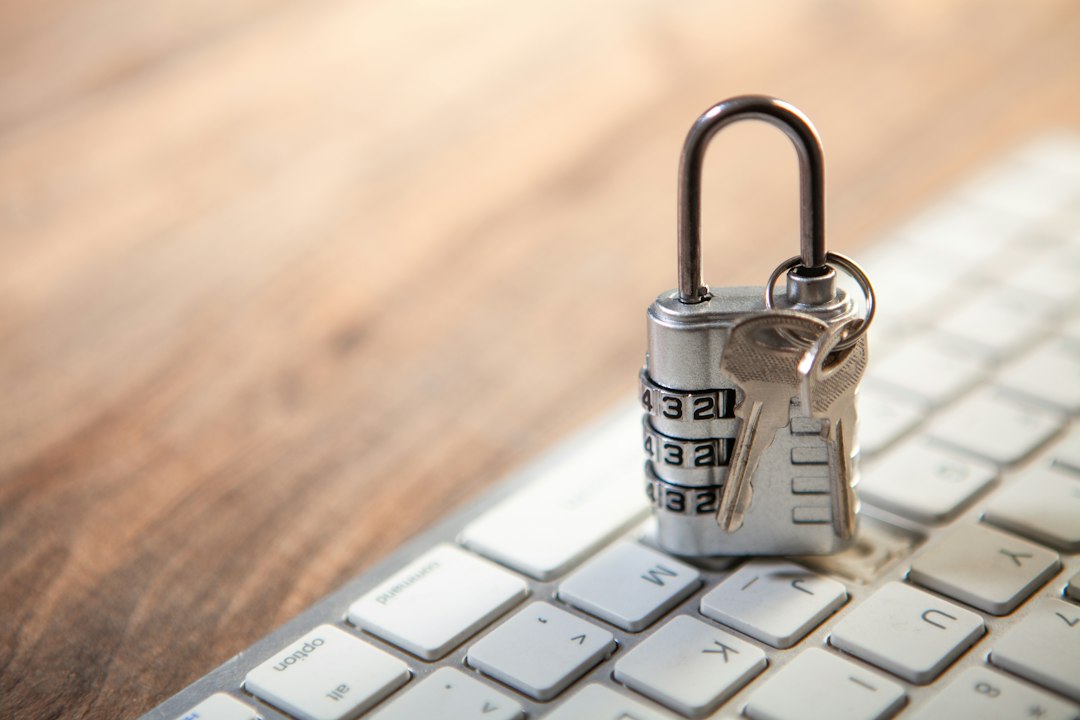
But here is the line that matters: Google holds the keys. You do not fully control them. That makes Google Drive different from zero-knowledge cloud storage.
What does Google Drive encryption really mean?
Think of Google Drive like a very secure hotel.
Your room has a lock. The hall has cameras. The front desk checks people in. The building has guards. Nice setup.
But the hotel still has a master key.
That is Google Drive. Your files are encrypted, but Google can technically access them under certain conditions. Google may scan files for malware, spam, policy abuse, and search features. It can also respond to valid legal requests.
This does not mean a Google employee is casually reading your birthday party budget. That would be absurd and against strict internal controls. But it does mean the system is not built around the idea that only you can ever unlock your data.
What is zero-knowledge cloud storage?
Zero-knowledge cloud storage works differently.
With zero-knowledge storage, your files are encrypted before they leave your device. You hold the key. The storage provider does not know your password. It cannot read your files. It cannot preview them. It cannot scan their contents.
If Google Drive is a hotel with a master key, zero-knowledge storage is a private safe that only you can open.
This is also called client-side encryption. The encryption happens on your phone, laptop, or desktop before upload.
Popular zero-knowledge style services often focus on privacy first. They may include secure file sharing, encrypted folders, and recovery keys. Some also offer apps that feel less polished than Google Drive. Honestly, it feels like privacy tools sometimes make you pay with extra clicks.
Google Drive vs zero-knowledge storage
| Feature | Google Drive | Zero-knowledge storage |
|---|---|---|
| Encryption | Yes, in transit and at rest | Yes, usually before upload |
| Who holds the key? | You | |
| File previews | Excellent | Often limited |
| Collaboration | Fast and simple | Usually less smooth |
| Password reset | Easy | Can be risky if you lose your key |
| Privacy from provider | Limited | Strong |
Where Google Drive shines
Google Drive is fantastic for normal work. It is fast. It syncs well. It works with Docs, Sheets, Gmail, Android, and Chrome. Sharing a file takes seconds.
It also gives you useful security tools:
- Two-factor authentication: This can block many account takeover attempts.
- Security checkup: You can review devices, apps, and logins.
- Version history: You can recover older versions of files.
- Spam and malware detection: Google helps flag dangerous files.
- Access controls: You can choose viewer, commenter, or editor rights.
For many people, the biggest risk is not Google’s servers. It is a weak password. Or a reused password. Or a shared link sent to the wrong person at 11:58 p.m.
Google has said strong account protection can block up to 99.9% of automated sign-in attacks. That is huge. But only if you turn it on.
Where Google Drive gets annoying
Sharing is powerful, but it can get messy fast.
It drives me crazy that one old “anyone with the link” setting can sit there for months. You forget it exists. Then a file ends up more open than you meant. Finding every exposed link can take more time than changing the file itself.
This is not rare. A small team might have 300 shared files after one busy year. If only 5% have loose link settings, that is 15 files that may be too open.
Where zero-knowledge storage wins
Zero-knowledge storage wins when privacy matters more than convenience.
Use it for:
- Legal files
- Medical records
- Tax documents
- Journal entries
- Business secrets
- Client contracts
- Identity documents
If the provider suffers a breach, attackers may only get encrypted blobs. That is the dream. No readable files. No useful previews. Just scrambled data.
But zero-knowledge has a painful side.
If you lose your password or recovery key, your files may be gone forever. The company cannot “just reset it.” That is the whole point. No master key means no rescue key.
Which one should you use?
Use Google Drive if you care about speed, sharing, and teamwork.
Use zero-knowledge storage if you care about privacy above all else.
A smart setup is to use both.
- Keep school files, drafts, photos, and shared work in Google Drive.
- Keep passports, contracts, tax forms, and private records in zero-knowledge storage.
- Use a password manager for both.
- Turn on two-factor authentication everywhere.
- Review shared links once a month.
This gives you comfort without turning your workflow into a puzzle box.
Simple security checklist for Google Drive
If you stay with Google Drive, do these things today:
- Turn on two-factor authentication. Use an authenticator app or security key if possible.
- Check shared files. Remove “anyone with the link” when not needed.
- Review connected apps. Delete apps you no longer use.
- Use a strong password. Never reuse it.
- Watch for phishing. Fake Google login pages are common.
- Store sensitive files separately. Use zero-knowledge storage for the serious stuff.
The plain answer
Google Drive is secure, but it is not zero-knowledge private.
That single sentence is the whole debate.
For most daily files, Google Drive is safe and convenient. For highly sensitive files, zero-knowledge cloud storage is the better choice. The tradeoff is simple. Google Drive gives you speed and ease. Zero-knowledge gives you stronger privacy and more responsibility.
Pick based on the file, not the brand. A grocery list does not need a digital bunker. Your tax return probably does.