
Picture a tiny coffee shop in one city. One day, someone in another country sees its mugs online. Then another person orders its beans. Soon, the little shop is shipping worldwide. That is globalization in action. It is business growth with a passport.
TLDR: Globalization lets businesses sell, buy, hire, and partner across borders. Interconnectedness makes this faster because people, money, ideas, and products move more easily. A small brand can now reach customers in many countries. But global growth works best when companies respect local cultures, rules, and needs.
What Is Globalization?
Globalization is the way countries and businesses become more connected. Goods move across oceans. Ideas move through screens. Money moves with a click. People work together from different time zones.
It is not just about giant companies. Small businesses can join too. A baker can sell recipes online. A designer can work for clients in five countries. A toy maker can find fans on social media.
In simple words: globalization makes the world feel smaller for business.
What Is Interconnectedness?
Interconnectedness means everything is linked. A factory in Vietnam may use cotton from India. A brand in France may sell to shoppers in Canada. A customer in Brazil may review a product that helps a buyer in Japan decide.
One action can affect many places. A trend in one country can become popular worldwide in days. A shipping delay in one port can slow stores on another continent. That sounds serious. It is. But it also creates great chances.
When businesses understand these links, they can grow smarter.
Why Businesses Go Global
Companies expand across borders for many reasons. Some are big. Some are simple. Most are about growth.
- More customers: A business can sell to people outside its home market.
- New ideas: Teams learn from different cultures and customer habits.
- Lower costs: Some materials or services may cost less in other countries.
- Better talent: Businesses can hire skilled people from many places.
- Less risk: If sales slow in one country, another market may still do well.
Imagine selling sunglasses. If summer ends in your country, you can sell to another place where summer is starting. That is not magic. That is global timing.
How Technology Changed the Game
In the past, global business was hard. You needed ships, big offices, and lots of money. Now, a laptop can be your launch pad.
Technology helps businesses reach the world in simple ways.
- Online stores let brands sell 24 hours a day.
- Social media helps products spread fast.
- Video calls make global meetings easy.
- Translation tools help people understand each other.
- Digital payments make buying and selling faster.
A small candle company can post one fun video. It may go viral in another country. Suddenly, people across the world want candles that smell like “cozy rainy morning.” The internet loves strange things. Businesses can benefit from that.
Culture Matters A Lot
Going global is not only about selling the same thing everywhere. People have different tastes. They have different holidays. They use different colors, symbols, and words.
A joke that works in one country may confuse another. A product name may sound nice in English but silly in another language. A food brand may need new flavors. A clothing brand may need different sizes or styles.
This is called localization. It means adjusting your business for each market.
Think global. Act local. That phrase is famous because it works.

Supply Chains: The Global Treasure Map
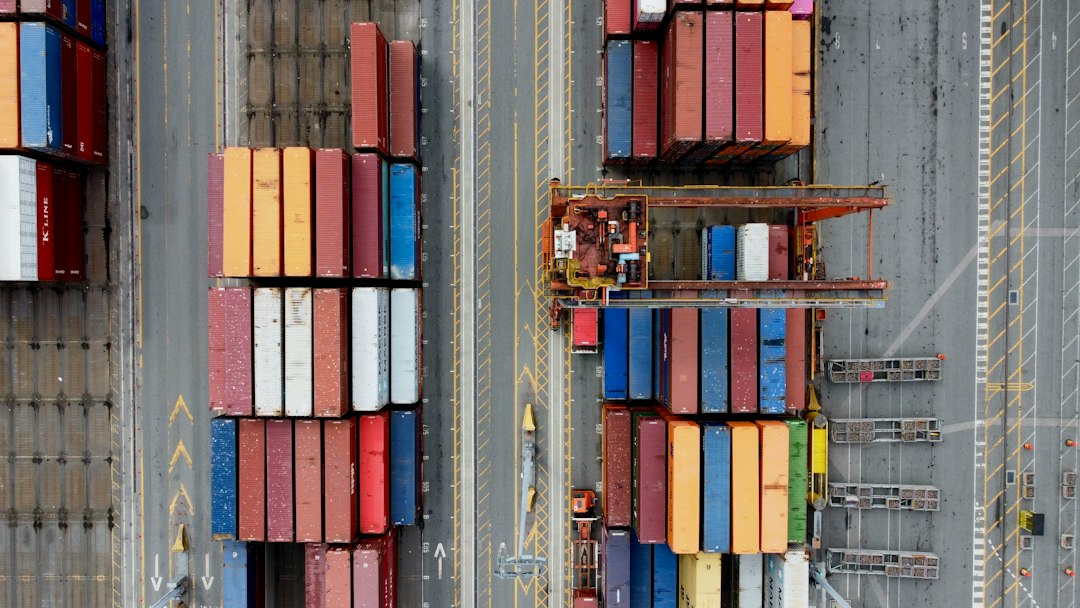
A supply chain is the path a product takes before it reaches a customer. It includes materials, factories, shipping, storage, and delivery. It can be simple. Or it can look like a bowl of spaghetti.
For example, a smartphone may include parts from many countries. The screen may come from one place. The chips may come from another. The final product may be assembled somewhere else. Then it ships worldwide.
This can make products cheaper and faster to produce. But it also creates risks. Bad weather, wars, strikes, or port problems can cause delays. A smart business plans for this. It may use more than one supplier. It may keep extra stock. It may track shipping closely.
Global supply chains are powerful. But they need care.
Global Teams Are Now Normal
Many businesses now hire people from different countries. This gives them access to more skills. It also helps them understand more markets.
A team might have a marketer in Mexico, a developer in Poland, a designer in South Africa, and a manager in Singapore. They may never sit in the same room. Still, they can build something great.
Global teams need clear communication. Short messages help. Good planning helps. Respect helps most of all.
- Use simple language.
- Respect time zones.
- Explain goals clearly.
- Celebrate different viewpoints.
Different ideas can create better products. They can also stop a company from making silly mistakes.
The Challenges Of International Growth
Global growth can be exciting. It can also be messy. Every country has its own rules. Taxes may change. Shipping costs may rise. Customer habits may surprise you.
Businesses often face these challenges:
- Legal rules: Each country has different business laws.
- Language barriers: Poor translation can cause confusion.
- Currency changes: Exchange rates can affect profits.
- Competition: Local brands may already be strong.
- Customer trust: New buyers may not know the brand yet.
The best companies do research before they enter a market. They ask questions. They test small. They learn fast. Then they grow.
How Businesses Can Grow Across Borders
There is no single path. A company may start with online sales. Then it may find a local partner. Later, it may open an office or warehouse in another country.
Here are smart steps:
- Pick the right market. Look for demand, good timing, and fair costs.
- Study local customers. Learn what they want and what they avoid.
- Adapt the offer. Change prices, packaging, flavors, sizes, or messages.
- Build local trust. Use reviews, local support, and clear policies.
- Follow the rules. Check taxes, shipping laws, and data rules.
- Start small. Test first. Expand when the signs look good.
Why This Matters For The Future
Globalization is not slowing down. It is changing shape. Customers expect more choice. Workers expect more flexibility. Businesses expect faster tools. Countries remain connected, even when problems appear.
The future belongs to companies that can learn quickly. They must be curious. They must be respectful. They must be ready to adjust.
A business does not need to be huge to go global. It needs a useful product, a clear message, and a real understanding of people. The world is big. But it is also connected. For a smart business, that means opportunity is closer than ever.
In the end, globalization is like a giant conversation. Businesses speak through products, services, stories, and values. Customers answer with clicks, reviews, loyalty, and feedback. When companies listen well, they can grow far beyond their home market.