
In the expanding world of AI-generated art, one creative trend gaining momentum is the creation of personalized action figure concepts using detailed prompts. These prompts allow artists, collectors, and enthusiasts to transform ideas into highly detailed toy-style visuals powered by artificial intelligence. Whether inspired by comic book heroes, vintage collectibles, or modern pop culture icons, crafting a precise and imaginative prompt is the key to achieving stunning, toy-realistic results. Understanding how to structure and refine such prompts can elevate AI-generated art from generic output to collectible-worthy design.
TLDR: Creating a ChatGPT action figure prompt for AI art generation requires clear characterization, detailed visual traits, accessory descriptions, and packaging style elements. The best prompts combine physical features, pose direction, materials, lighting, and branding details to mimic real collectible toys. Adding specificity about sculpt style and presentation dramatically improves results. With the right structure, anyone can generate professional-looking action figure concepts using AI.
Understanding the Concept of an AI-Generated Action Figure
An AI-generated action figure is a digitally created image that resembles a real, manufactured toy. These designs often mimic the bold sculpting, stylized proportions, and detailed packaging seen in retail collectibles. The success of such artwork depends largely on the quality of the prompt given to the AI.
A well-structured prompt clearly defines:
- Character identity
- Physical appearance and proportions
- Clothing and accessories
- Material textures
- Pose and facial expression
- Packaging style
- Lighting and rendering details
By combining these elements, the AI gains enough guidance to generate an image that captures the spirit of a professionally designed collectible.
Building the Core Character Description
The foundation of any strong action figure prompt begins with a clear character identity. This includes role, personality, profession, theme, and aesthetic vibe. Instead of vaguely describing “a hero,” a stronger approach would be to specify “a cyberpunk street vigilante with neon armor and mechanical gauntlets.”
Specificity matters because AI visual systems interpret granular data better than abstract ideas.
For example, a character base may include:
- Age range or archetype
- Body build (athletic, muscular, slim, stylized cartoon proportions)
- Facial traits (scar over eye, glowing eyes, confident smirk)
- Distinctive hair or headgear
Here is where visual clarity starts to take shape.
Defining Toy-Like Proportions and Sculpt Style
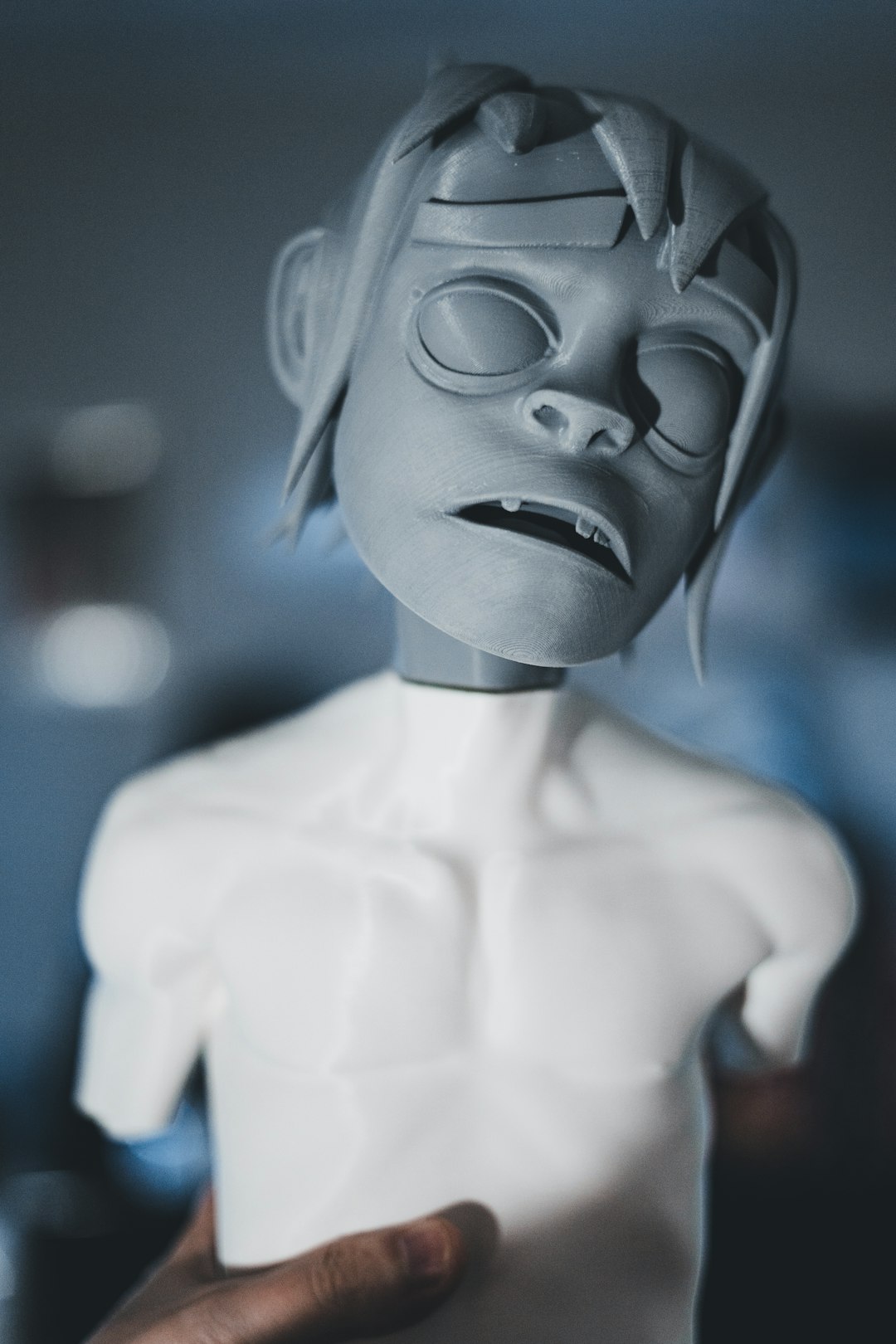
One common mistake is describing the character in purely realistic terms without referencing toy aesthetics. Action figures often feature:
- Exaggerated muscles
- Slightly oversized heads
- Articulated joints
- Matte or glossy plastic textures
Including phrases such as “detailed plastic sculpt texture” or “visible articulation points at elbows and knees” tells the AI to shift from realism into collectible territory.
Additional sculpt elements might include:
- Mold lines
- Interchangeable hands displayed beside the figure
- Translucent plastic energy effects
These details simulate authenticity and increase believability.
Adding Accessories and Props
No action figure feels complete without accessories. Accessories provide narrative context and enhance visual richness. A strong prompt always contains at least three accessory elements, carefully described.
Examples include:
- Energy sword with glowing blade
- Miniature drone companion
- Removable helmet
- Display stand with logo imprint
Instead of writing “comes with weapons,” a richer description would state: “includes metallic silver plasma rifle with blue light accents and detachable shoulder strap.”
The AI responds especially well to material descriptors such as chrome, brushed steel, translucent plastic, rubber grip, matte finish, or holographic effect.
Designing the Packaging Concept
Another powerful element in action figure AI art is packaging. Including packaging instructions elevates the output from a loose character render to a fully realized retail product concept.
There are multiple packaging styles to define:
- Blister pack with clear plastic shell
- Collector’s edition magnetic box
- Retro 1980s carded backing
- Minimalist premium window display box
Adding branding elements (fictional brand names), age ratings, logo placement, barcode details, and tagline copy adds even more depth.
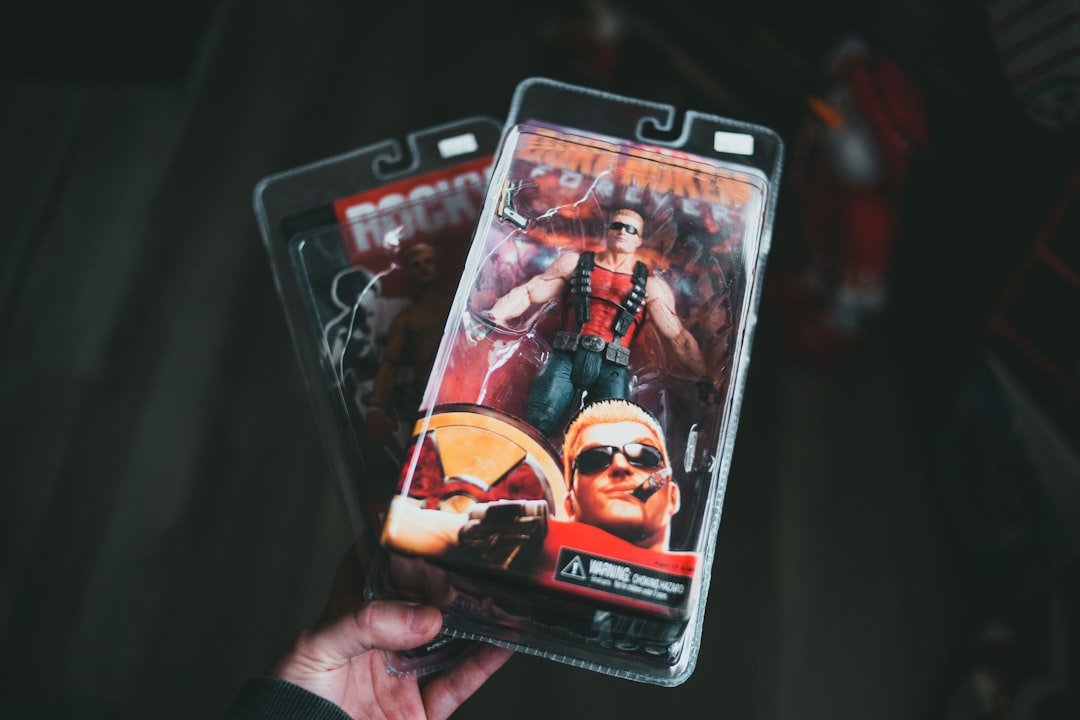
For instance, a detailed packaging prompt might include:
- Bright red cardboard backing with bold comic font title
- Character illustration printed behind the figure
- “Limited Edition” badge in gold foil style
- Accessories arranged in molded plastic compartments
These components simulate a retail-ready product photo.
Specifying Pose, Camera Angle, and Lighting
Many creators overlook cinematic presentation. The prompt should guide not only what the figure looks like, but how it is photographed.
Strong additions include:
- “Dynamic battle stance”
- “Heroic upright pose”
- “Arms crossed in confident posture”
- “Mid-air jump with clear stand support”
Camera and lighting styles enhance realism:
- Studio product photography lighting
- Soft shadow under feet
- High resolution texture detail
- Close-up angled view from slightly below
Without these cues, the AI may produce flat or inconsistent lighting.
Materials and Texture Language
Describing materials gives the action figure authenticity. Toy collectors often recognize differences between matte vinyl, glossy ABS plastic, and rubber-like components.
Effective material descriptors include:
- Semi-gloss molded plastic
- Realistic paint application details
- Minor weathering effects
- Metallic flake armor surface
- Transparent energy shield effect
The more tactile the description feels, the stronger the image result.
Example of a Strong Action Figure Prompt
Below is a structured example combining the principles above:
“Create a detailed action figure of a futuristic cyber ninja, athletic build, angular armor plating in matte black with neon blue accents. Visible elbow and knee articulation points. Stern facial expression with glowing eyes and removable helmet. Includes translucent energy katana, grappling hook accessory, and display stand with engraved logo. Packaged in premium collector box with clear front window, dark cityscape background, holographic title text reading Shadow Strike. Studio product photography lighting, high resolution, realistic plastic textures, sharp focus.”
Image not found in postmetaThis style of structured description helps AI systems interpret hierarchy, detail, and aesthetic direction.
Common Mistakes to Avoid
- Using overly vague adjectives like “cool” or “awesome”
- Failing to describe materials
- Not mentioning toy articulation
- Ignoring packaging details
- Overloading the prompt with conflicting design styles
Clarity always outperforms complexity. Organized prompts produce more predictable, higher-quality outputs.
Advanced Enhancements for Professional Results
For those looking to elevate results further, additional elements can be included:
- Limited edition numbering (e.g., 0423 of 5000)
- Certificate of authenticity included in box
- Alternate head sculpt displayed
- Background diorama setting
- QR code detail on packaging
These touches simulate real-world collectible culture and provide richer visual storytelling.
Why Structured Prompts Matter
AI art systems rely heavily on contextual cues. When prompts are layered logically—starting with character identity, then sculpt style, accessories, packaging, materials, and photography—the generated image becomes more refined and cohesive.
A structured ChatGPT action figure prompt works almost like a design brief given to a professional toy sculptor. The more vivid and organized the request, the closer the result aligns with the creator’s vision.
FAQ
-
What is an action figure prompt in AI art?
An action figure prompt is a detailed textual instruction used to generate toy-like collectible character images through AI systems. It outlines character features, materials, accessories, packaging, and presentation style. -
How detailed should the prompt be?
The more specific the better. Including sculpt style, articulation points, accessories, packaging design, and lighting instructions significantly improves image quality and realism. -
Can action figure prompts be used for personal characters?
Yes. Many creators design custom or fictional characters and convert them into collectible-style figures using structured prompts. -
Should packaging always be included?
While optional, packaging elements elevate the final result and make the image look like a retail-ready product rather than a simple character render. -
What makes a prompt look more like a real toy?
References to plastic textures, visible articulation joints, accessory compartments, molded blister packs, and studio product photography lighting create a realistic toy appearance. -
Can this technique be used for commercial mockups?
Yes, AI-generated action figure concepts are often used for creative prototypes, visual storytelling, and branding mockups before physical production.
By mastering the balance between imagination and precision, creators can turn simple ideas into compelling, collectible-style AI artwork. The secret lies not in complexity, but in clarity—describing each element as if briefing a toy manufacturer, ensuring that every accessory, material, and package detail helps bring the action figure concept to life.