
Audit every drink video before posting it. Check the visuals, check the audio, and check the rights. That one habit can save your bar, brand, or creator channel from takedowns, claims, muted clips, and awkward emails from rights owners.
TLDR: Classic drinks videos are fun, but they still need a clean media plan. Review each clip for brand issues, unsafe actions, visible labels, music rights, and platform rules. For example, a cocktail channel with 50 videos might find that 12 use popular songs without permission, while 8 show bottle labels too clearly. Fixing those issues before launch can cut copyright claims by 70% or more.
Why Classic Drink Videos Need Care
A martini swirl looks simple. A Negroni pour feels harmless. A whiskey sour shake is pure eye candy.
But video content is not just pretty pixels. It has music, faces, logos, labels, recipes, locations, captions, and platform rules. Each part can create a problem.
Classic drinks also carry style. Think jazz, velvet booths, copper shakers, neon bars, and slow ice drops. Music matters here. It sets the mood. Sadly, the song that feels perfect may also be the song that gets your video muted.
The annoying bit is that one tiny background track can ruin an otherwise perfect edit. You may spend six hours filming a Manhattan pour, then lose reach because a ten second song clip was not cleared.
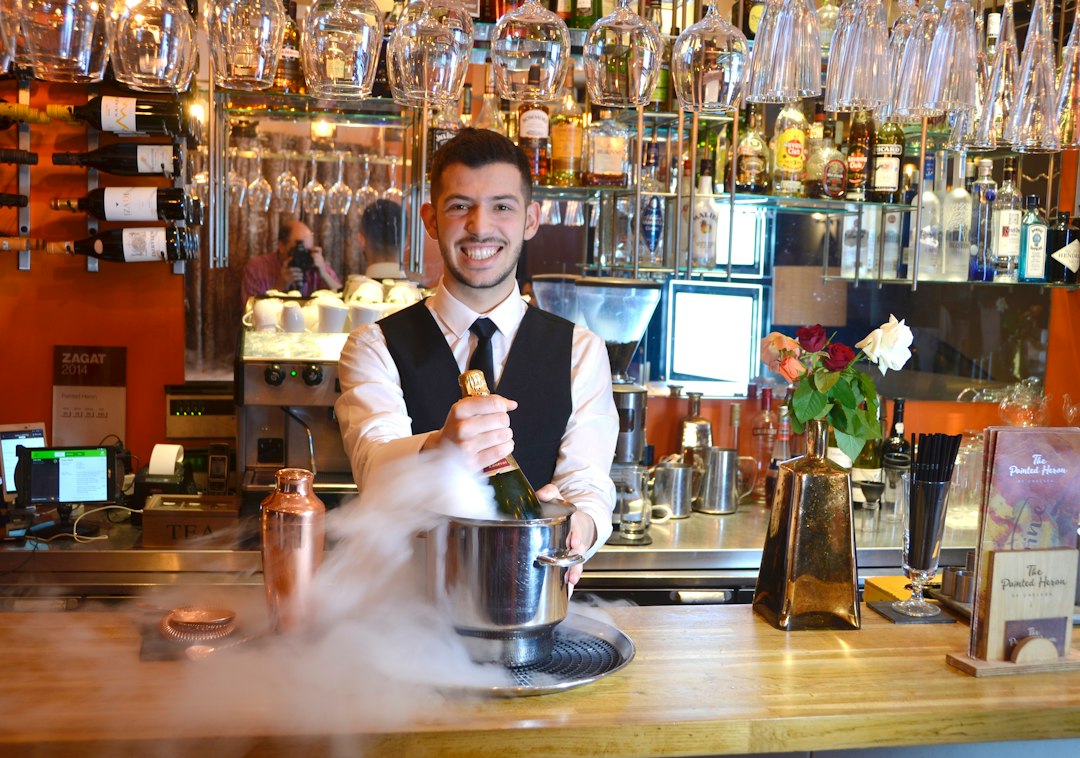
Step 1: Analyze The Video Like A Checklist
Start with a content review. Do it before editing. Do it again before publishing.
Use this simple checklist:
- Drink accuracy: Is the recipe correct?
- Alcohol safety: Does the video suggest binge drinking?
- Age cues: Do all people look clearly over legal drinking age?
- Labels: Are bottle brands visible?
- Claims: Are you saying the drink is “healthy” or “hangover free”?
- Location: Do you have permission to film there?
- Music: Do you have the right license?
- Captions: Are captions accurate and not misleading?
Keep it boring. Boring checks prevent spicy legal headaches.
Step 2: Tag What Is On Screen
Good analysis starts with good tags. Tag each video by recipe, ingredients, scene, mood, and risk level.
For example:
- Drink: Old Fashioned
- Scene: Home bar
- Mood: Slow, classy, warm
- Audio: Jazz piano loop
- Visible brands: Bourbon label, bitters label
- Risk: Medium
This makes your media library easier to search. It also helps your team avoid repeat mistakes. If one clip has risky music, mark it. Do not let the same audio sneak into five more reels.
Honestly, it feels like some media tools hide the useful fields three clicks too deep. If it takes 18 seconds to add one rights note, people skip it. Build a simple shared sheet if needed. Fast beats fancy.
Step 3: Understand Music Licensing Without Crying
Music licensing sounds scary. It does not have to be.
Think of music as property. You cannot just grab it because it is online. A song may have several rights owners. One may own the recording. Another may own the composition. You may need permission from both.
Here are common music sources:
- Royalty free libraries: You pay once or subscribe. Read the terms.
- Stock music sites: Good for ads, social clips, and tutorials.
- Custom composers: Great for brand sounds and series intros.
- Platform music tools: Useful, but often limited to that platform.
- Popular songs: Risky unless you have real clearance.
“Royalty free” does not mean free. It usually means you do not pay ongoing royalties after getting the license. You still need to follow the license rules.
Step 4: Match The License To The Use
A drink video can show up in many places. Each place may need a different right.
Ask these questions:
- Will this be posted on Instagram, TikTok, YouTube, or a website?
- Will it be used in paid ads?
- Will it appear in a venue or event?
- Will influencers repost it?
- Will it run in multiple countries?
- Will it stay online forever?
A song cleared for organic social may not be cleared for paid ads. A track allowed in the United States may not be allowed worldwide. A license for one video may not cover a full series.
That is where many brands trip. They buy a cheap track. Then they boost the post. Then the license no longer fits. Great. Now the mojito has paperwork.
Step 5: Build A Rights Folder For Every Video
Make one folder per video. Keep proof in it.
Include:
- The final video file
- The script or shot list
- Music license PDF or receipt
- Composer agreement, if custom music was used
- Talent releases
- Location releases
- Brand approvals, if needed
- Publishing notes
Name files clearly. Use dates. Use version numbers. “Final final real final.mp4” is comedy, not a system.
Step 6: Watch Out For Alcohol Advertising Rules
Classic drinks content must be careful with alcohol messaging. Rules vary by country and platform. Still, the basics are pretty clear.
Do not aim content at minors. Do not link drinking with driving. Do not suggest alcohol makes people rich, sexy, brave, or successful. Do not show reckless drinking.
Keep the tone stylish, not sloppy. A calm gin fizz tutorial is safer than a “drink ten of these” challenge. If your clip feels like a dare, rethink it.
Step 7: Use Safer Music Styles For Classic Drinks
You can still make videos feel cool. You do not need famous songs every time.
Try these music styles:
- Soft jazz: Great for martinis and Manhattans.
- Lo fi beats: Good for relaxed home bar clips.
- Bossa nova: Nice for rum and citrus drinks.
- Vintage swing: Fun for party punches.
- Minimal piano: Clean for premium brand videos.
Pick a music library with clear commercial licenses. Save the license link. Save the invoice. Screenshot the terms if they may change later.
Step 8: Create A Compliant Media Strategy
A compliant strategy is not a giant rulebook. It is a repeatable routine.
- Plan: Choose the drink, platform, audience, and music source.
- Film: Avoid risky labels, unsafe actions, and unclear age cues.
- Edit: Use cleared music and accurate captions.
- Review: Run the checklist.
- Store: Save rights documents in the video folder.
- Publish: Track date, platform, and license limits.
- Measure: Watch claims, mutes, reach, saves, and comments.
Track simple numbers. How many videos were muted? How many had claims? Which music style kept viewers watching longer?
Say your espresso martini clips with soft house music hold viewers for 62% of the video. Your clips with slow piano hold only 41%. That tells you something useful. Use the safer sound that also performs better.
Step 9: Make A “Do Not Use” List
This list saves time. It also saves nerves.
Add risky tracks, expired licenses, blocked artists, unclear sound effects, and old files with missing proof. Share it with editors, freelancers, and social media staff.
Also add visual rules. Maybe your brand does not show people chugging. Maybe it avoids famous bottle labels. Maybe it requires a “drink responsibly” note on paid ads.
Clear rules help creative people move faster. They know the fence line. Then they can play inside it.
Final Sip
Classic drinks videos should feel smooth. Your rights process should feel smooth too. Analyze what is on screen. Clear the music. Save the proof. Track results.
Do that, and your content can stay stylish, useful, and safe to share. The cocktail gets the spotlight. The legal drama stays off camera.