
The best Thursday posting window is usually between 9:00 a.m. and 12:00 p.m. in your audience’s local time, with a second useful slot from 5:00 p.m. to 7:00 p.m. for consumer content. Treat this as a starting benchmark, not a rule. Each platform rewards different behavior, and your own analytics should decide the final schedule.
TLDR: Start testing Thursday posts at 9:00 a.m., 11:00 a.m., and 6:00 p.m., then compare results over at least four Thursdays. For example, a B2B software page might find that LinkedIn posts at 10:30 a.m. earn a 22% higher click through rate than posts at 3:00 p.m. A retail brand may see Instagram Reels posted at 6:15 p.m. bring 18% more saves because followers are off work and browsing. Use platform analytics, not guesswork, to confirm the winner.
Why Thursday Often Performs Well
Thursday sits in a useful spot. People are still working, planning, shopping, and checking updates before the weekend. For many brands, engagement is stronger than Monday and less distracted than Friday.
That does not mean every Thursday slot is equal. Morning users may want industry news. Lunch users may scroll quickly. Evening users may have more time for video, shopping, or comments. The best posting time depends on intent, not just traffic.
Best Thursday Posting Times by Platform
Use these time ranges as first tests. All times should match the primary audience time zone, not the brand’s office location.
- Instagram: 9:00 a.m. to 11:00 a.m. and 5:00 p.m. to 7:00 p.m. Reels often do well after work, while carousels can perform well mid morning.
- Facebook: 10:00 a.m. to 1:00 p.m. Thursday lunch periods can work for news, local posts, events, and community updates.
- LinkedIn: 8:00 a.m. to 11:00 a.m. Business content usually performs before meetings and during the early workday.
- X: 8:00 a.m. to 10:00 a.m. and 12:00 p.m. to 1:00 p.m. Timely posts, commentary, and industry reactions need speed.
- TikTok: 6:00 p.m. to 9:00 p.m. Entertainment and creator content often benefits from evening viewing behavior.
- Pinterest: 7:00 p.m. to 10:00 p.m. Users often plan purchases, outfits, projects, meals, and travel at night.
- YouTube: 2:00 p.m. to 5:00 p.m. for publishing. This gives the video time to index before evening viewing rises.
How to Find Your Ideal Thursday Time
The catch is that built in analytics can be oddly clumsy. Some dashboards hide useful timing data behind three or four clicks, and exporting reports can take longer than it should. Still, the data is worth the annoyance.
- Pick three Thursday time slots. Choose one morning, one midday, and one evening option. For example: 9:30 a.m., 12:15 p.m., and 6:30 p.m.
- Keep the content type consistent. Do not compare a meme against a product demo and blame the time slot. Test similar formats.
- Run the test for four to six weeks. One Thursday is not enough. A holiday, news event, or algorithm shift can distort results.
- Track the right metric. For awareness, use reach or impressions. For sales, use clicks and conversions. For community, use comments and shares.
- Segment by platform. A strong LinkedIn time may fail on TikTok. Do not force one schedule across every channel.
Platform Specific Guidance
Instagram on Thursday
For Instagram, Thursday morning is reliable for polished feed posts, quick tips, product education, and carousel content. Evening is often better for Reels, creator clips, behind the scenes content, and lifestyle posts.
Watch saves and shares, not only likes. A Thursday post at 10:00 a.m. may get fewer likes than a 7:00 p.m. Reel, but it may bring more profile visits or website taps. That matters more for many brands.
LinkedIn on Thursday
LinkedIn is usually strongest before lunch. People check it between email, meetings, and planning work. Thursday at 8:30 a.m. to 10:30 a.m. is a good test window for thought leadership, hiring posts, reports, case studies, and product updates.
Honestly, it feels like many teams still post on LinkedIn whenever someone approves the copy. That can cost real reach. A post approved at 4:45 p.m. may be better scheduled for the next Thursday morning than rushed out late in the day.
TikTok on Thursday
TikTok is less tied to office hours. Thursday evenings often work because users have more attention to give. Test 6:00 p.m., 7:30 p.m., and 9:00 p.m. if your content is entertaining, educational, or creator led.
Do not judge too quickly. TikTok posts can take time to gain traction. Review results after 24 hours and again after seven days. A slow start does not always mean a weak post.
Facebook on Thursday
Facebook often rewards practical content. Local updates, event reminders, short videos, promotions, and discussion posts can perform well from late morning through lunch. For older audiences, earlier posting may beat evening slots.
If your Facebook audience is spread across regions, schedule separate posts or use paid targeting. One Thursday post at noon Eastern may miss a large West Coast group that is still starting the day.
YouTube, Pinterest, and X on Thursday
For YouTube, publish before peak viewing time. A 3:00 p.m. Thursday upload can be ready for evening discovery. For Pinterest, test later hours because users often browse with planning intent after dinner. For X, speed and relevance matter more than perfect timing, but morning and lunch windows are still useful for visibility.
What Metrics Should Decide the Best Time?
The “best” time is not always the time with the most impressions. Match the metric to the business goal.
- Reach: Best for brand awareness campaigns.
- Engagement rate: Best for comparing post quality across audience sizes.
- Click through rate: Best for blogs, landing pages, offers, and lead generation.
- Conversions: Best for ecommerce, signups, demos, and paid offers.
- Watch time: Best for Reels, TikTok, Shorts, and YouTube.
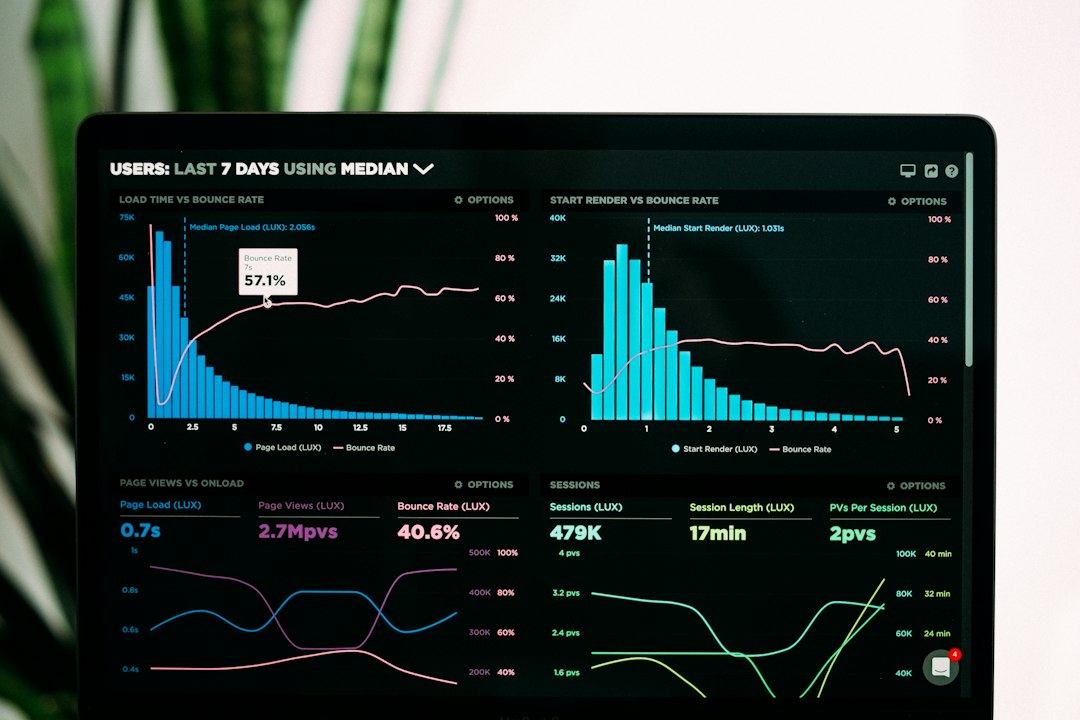
A simple example helps. Suppose three Thursday LinkedIn posts each reach about 5,000 people. The 9:00 a.m. post gets 180 clicks, the 12:00 p.m. post gets 120 clicks, and the 5:00 p.m. post gets 75 clicks. Even if the midday post has more comments, the morning slot is stronger if the goal is lead traffic.
Common Mistakes to Avoid
- Using global averages as final truth. Broad studies are useful, but your audience may behave differently.
- Changing too many variables. Test time without changing format, topic, creative style, and caption length all at once.
- Ignoring time zones. This is one of the easiest ways to misread Thursday performance.
- Posting when your team is free. Your audience’s habits matter more than your approval workflow.
- Stopping tests too early. Gather enough data before shifting the calendar.

A Practical Thursday Testing Plan
For the next month, build a simple Thursday test. On week one, post at 9:00 a.m. On week two, post at 11:30 a.m. On week three, post at 6:30 p.m. On week four, repeat the strongest early signal. Use similar post types and track results in a spreadsheet.
Record the post URL, platform, time, content format, reach, engagement, clicks, conversions, and notes. After four to six Thursdays, patterns will start to show. If the difference between two slots is small, choose the time that fits your production process. If one slot wins by 15% or more on the metric that matters, make it your default.
Best starting point: post on Thursday between 9:00 a.m. and 12:00 p.m. for professional, educational, and informational content. Use 5:00 p.m. to 9:00 p.m. for entertainment, shopping, lifestyle, and short video. Then let your own analytics settle the debate.