
AWS GovCloud is a specialized cloud environment built for United States government agencies, contractors, research institutions, and regulated organizations that must meet strict requirements for data protection, residency, and compliance. It offers many familiar AWS services, but in isolated regions operated by vetted U.S. persons and designed to support sensitive workloads such as justice data, defense systems, healthcare records, and public sector analytics.
TLDR: AWS GovCloud provides isolated AWS regions for highly regulated U.S. workloads that require stronger compliance controls, U.S. data residency, and restricted administrative access. For example, a state health agency processing 5 million citizen records could use GovCloud to host encrypted databases, audit logs, and analytics while aligning with HIPAA and FedRAMP requirements. Pricing is generally similar in structure to commercial AWS, but total cost depends on services used, compliance architecture, data transfer, support plans, and operational controls. It is most useful when standard cloud environments cannot satisfy regulatory, contractual, or mission security requirements.
What Is AWS GovCloud?
AWS GovCloud refers to AWS regions specifically designed for sensitive workloads in the U.S. public sector and industries that work with government data. These regions are physically and logically isolated from standard AWS commercial regions. Access is limited to vetted U.S. persons, and the environment is built to help customers address regulatory frameworks that are common in government, defense, law enforcement, healthcare, financial services, and critical infrastructure.
GovCloud is not a separate cloud provider; it is part of AWS, with a dedicated operational model. Customers still use AWS concepts such as Amazon EC2, Amazon S3, Amazon RDS, AWS Lambda, IAM, CloudTrail, and CloudWatch. However, not every commercial AWS service is available in GovCloud, and service availability may differ by region. This makes planning important, especially for advanced artificial intelligence, edge, marketplace, or managed application services.
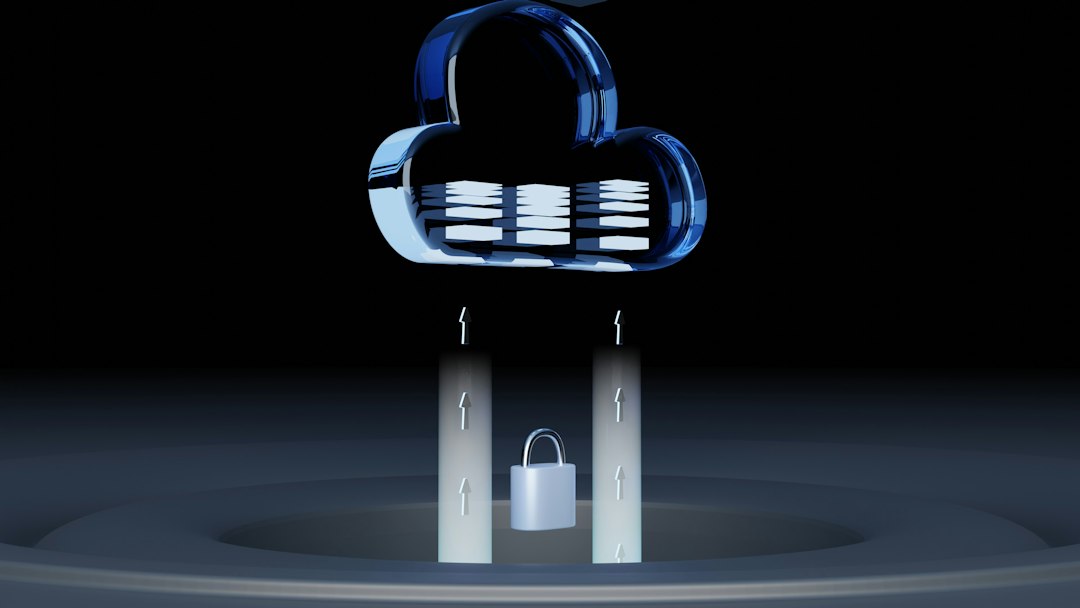
Compliance Standards Supported by AWS GovCloud
One of the primary reasons organizations choose GovCloud is compliance. AWS provides infrastructure and services that can help customers meet a wide range of requirements, but responsibility is shared. AWS secures the underlying cloud infrastructure, while customers must properly configure their applications, identities, networks, encryption, logging, and data governance.
Common compliance programs associated with AWS GovCloud include:
- FedRAMP High: Important for federal agencies and contractors handling high impact government systems.
- DoD Cloud Computing SRG: Supports Department of Defense workloads at various impact levels, depending on architecture and authorization.
- ITAR: Relevant for organizations handling defense articles, technical data, and export controlled information.
- CJIS: Used by law enforcement and justice organizations that process criminal justice information.
- HIPAA: Applicable to healthcare entities and business associates protecting health information.
- IRS 1075: Used for systems that handle federal tax information.
- FIPS 140 validated endpoints: Important where approved cryptographic modules are required.
It is important to understand that using GovCloud does not automatically make an organization compliant. Compliance depends on how workloads are designed, monitored, documented, and operated. For example, an agency may need to enforce encryption at rest, implement least privilege access, retain logs for a defined period, perform vulnerability scans, and maintain incident response procedures.
Security Architecture and Operational Controls
Security in AWS GovCloud is based on layered controls. At the infrastructure level, AWS operates secure facilities, networks, hardware, and core services. At the customer level, organizations configure identity and access management, network segmentation, encryption, monitoring, endpoint controls, and application defenses.
Key security capabilities include:
- Identity and access management: AWS IAM enables granular permissions, roles, policies, and federation with identity providers.
- Encryption: Data can be encrypted at rest and in transit using AWS Key Management Service, customer managed keys, and approved cryptographic options.
- Network isolation: Amazon VPC allows private subnets, security groups, network ACLs, routing controls, and private connectivity.
- Logging and auditing: AWS CloudTrail, CloudWatch, AWS Config, and Security Hub help track changes, events, and compliance posture.
- Threat detection: Services such as Amazon GuardDuty can help detect suspicious activity, unauthorized behavior, and potential compromise.
A serious GovCloud deployment normally includes defense in depth. This means no single control is trusted alone. Administrators may enforce multifactor authentication, separate production and development accounts, define service control policies, require encrypted storage, centralize logs, and automate configuration checks. For higher risk workloads, agencies may also use dedicated connectivity through AWS Direct Connect, strict change management, and continuous monitoring aligned with authority to operate processes.

Pricing: What Organizations Should Expect
AWS GovCloud pricing follows the same general cloud model as commercial AWS: customers pay for the resources they use. Costs may include compute instances, storage, databases, network traffic, load balancers, monitoring, support, security tools, backups, and data transfer. There is no single flat rate for “GovCloud”; the final bill depends on architecture and usage patterns.
Major pricing considerations include:
- Compute usage: EC2 instance type, operating system, runtime hours, autoscaling, and purchase model affect cost.
- Storage volume: S3 storage class, EBS volumes, snapshots, archival policies, and retention periods can significantly change spending.
- Data transfer: Inbound data is often less costly, but outbound transfer and inter region movement can add up.
- Compliance tooling: Monitoring, logging, key management, vulnerability scanning, and backup services should be budgeted from the start.
- Support and operations: Government workloads often require premium support, managed services, or internal security operations staff.
Reserved Instances, Savings Plans, right sizing, lifecycle policies, and automated shutdown schedules can reduce costs. For instance, a development environment running only during business hours may reduce compute hours by more than 60% compared with always on usage. However, organizations should avoid cutting costs in ways that weaken auditability, resilience, or security.
Common Government Cloud Use Cases
AWS GovCloud is used across federal, state, local, education, and contractor environments. Its strongest fit is where sensitive workloads require cloud scalability but cannot be placed in standard commercial environments due to policy, regulation, or contractual commitments.
1. Law Enforcement and Justice Systems
Police departments, courts, and justice agencies may use GovCloud to store case records, body camera metadata, evidence management systems, and criminal justice information. These workloads often require strong access controls, immutable audit logs, encryption, and CJIS aligned practices.
2. Defense and Aerospace Contractors
Defense contractors may use GovCloud for controlled technical data, secure software development, simulation environments, and collaboration involving export controlled information. ITAR and DoD related requirements often make region isolation and U.S. person access controls especially important.
3. Public Health and Human Services
Health departments can host disease surveillance platforms, benefits systems, Medicaid analytics, and emergency response dashboards. GovCloud can support HIPAA eligible architectures when customers implement appropriate safeguards and sign the necessary agreements.
4. Disaster Response and Emergency Management
During emergencies, cloud infrastructure can scale quickly to support public information portals, geospatial dashboards, shelter tracking, and interagency coordination. A state emergency agency might scale from 2,000 normal daily users to 250,000 users during a hurricane response without buying permanent hardware for peak demand.
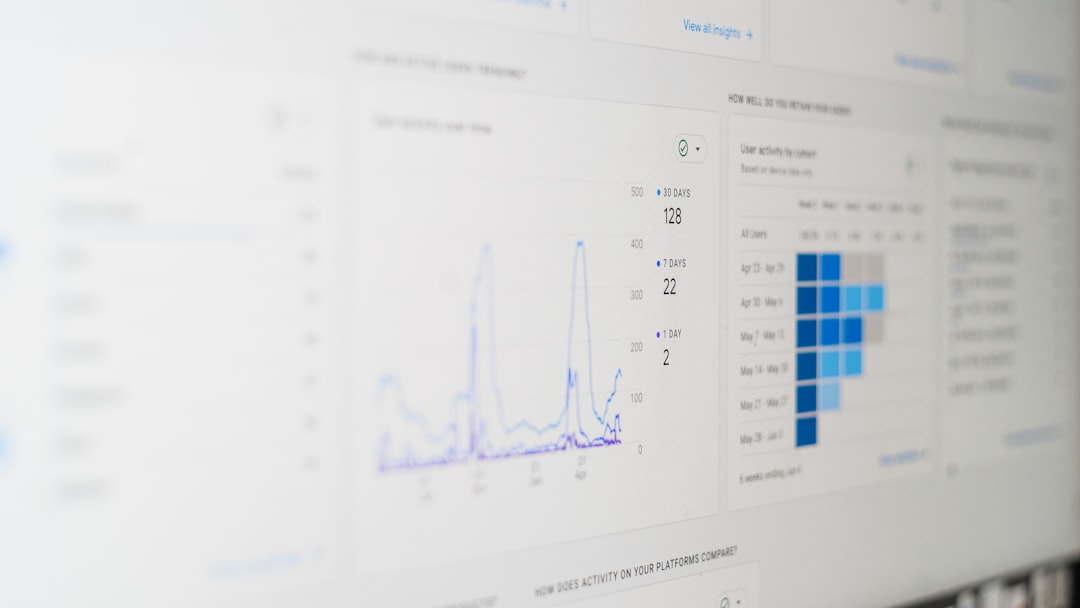
5. Secure Data Analytics
Agencies increasingly use data lakes and analytics platforms to improve fraud detection, infrastructure planning, public safety, and service delivery. GovCloud can provide secure storage, controlled access, and scalable processing for large datasets while maintaining compliance boundaries.
When AWS GovCloud Is the Right Choice
GovCloud is best suited for organizations that have clear regulatory or contractual reasons to isolate workloads in a U.S. government focused cloud region. It may be the right choice when data is subject to FedRAMP High, ITAR, CJIS, DoD, IRS, or similar requirements. It is also appropriate when an agency needs strong evidence for audits, controlled administrative access, and a platform capable of supporting modernization without abandoning compliance obligations.
However, GovCloud is not always necessary. If a workload contains public information, low risk data, or does not require special regulatory treatment, a standard commercial AWS region may be sufficient and may offer broader service availability. A careful assessment should classify data, identify governing regulations, map technical controls, estimate cost, and confirm whether required services are available in GovCloud.
Final Thoughts
AWS GovCloud gives government and regulated organizations a secure, scalable path to cloud adoption while addressing some of the most demanding compliance requirements in the United States. Its value comes from isolation, U.S. person access restrictions, compliance alignment, and the broader AWS ecosystem. Success depends on disciplined architecture, proper governance, continuous monitoring, and realistic cost planning. For agencies and contractors handling sensitive data, GovCloud can be a practical foundation for modernization when security and compliance cannot be compromised.