
An Application Service Provider, or ASP, runs software for you over the internet. You rent the app. They host it. You use it through a browser or light client. Simple.
TLDR: An ASP lets a business use software without installing or maintaining it on local computers. For example, a 25-person dental office might use an ASP for scheduling, billing, and patient reminders, saving 10 to 15 hours of admin work each week. You pay a regular fee, get updates handled for you, and avoid buying servers. The tradeoff is that you depend on the provider’s speed, security, and support.

1. ASPs are the “we host it, you use it” model
An ASP is a company that provides access to software from a remote server. You do not install the full program on every machine. You log in. You work. You log out.
Think of it like renting a furnished apartment. You do not buy the fridge. You do not fix the pipes. You just use the place and pay the bill.
Common ASP services include:
- Email platforms
- Customer relationship tools
- Accounting systems
- Medical office software
- Payroll apps
- Inventory tools
The idea is not new. ASPs became popular before modern cloud apps became a daily thing. Many cloud software services today are basically ASPs with shinier labels.
2. ASPs can save money, but read the bill twice
The big appeal is cost. You skip large upfront spending. No server closet. No loud fan humming beside the printer. No emergency call because “the database box smells hot.”
Instead, you usually pay monthly or yearly. Pricing may be per user, per location, per feature, or per transaction.
That sounds neat. It often is. But watch the extras.
- Setup fees
- Data migration charges
- Training costs
- Storage limits
- Support plan upgrades
- Exit fees
Honestly, it feels like some software invoices are built by raccoons in a filing cabinet. One small add-on here. One “required” support tier there. Suddenly the cheap plan is not so cheap.
Ask for a full three-year cost estimate. Not just the cute starter price.
3. Reliability matters more than fancy buttons
If your ASP goes down, your team may stop working. That is the deal. The app lives somewhere else. Your access depends on the provider and your internet connection.
Ask about uptime. A provider claiming 99.9% uptime can still be offline for about 8.8 hours per year. That may be fine for a newsletter tool. It may be awful for a busy clinic or warehouse.
Check these items before you sign:
- Uptime promise: Is it written in the contract?
- Service credits: Do you get money back after outages?
- Backup schedule: How often is data saved?
- Recovery time: How fast can service return?
- Status page: Can you see outages in real time?
Pretty dashboards are nice. Working on Monday morning is better.

4. Security is shared, not magic
An ASP may handle many security tasks. That includes server patches, firewalls, access controls, and backups. Great. But you still have work to do.
Your team controls passwords. Your team clicks links. Your team decides who gets access. That last part is huge.
Use these basics:
- Turn on multi factor authentication.
- Remove old users fast.
- Use role based access.
- Train staff on phishing.
- Review login history.
Ask where your data is stored. Ask who can view it. Ask if data is encrypted while stored and while moving.
If you handle health, legal, finance, or school records, ask about compliance. Get proof. Not a cheerful sales reply. Actual documents.
5. Support can make or ruin the whole thing
Support is where the glow can wear off. A tool may look great in the demo. Then payroll breaks at 4:53 p.m. on a Friday. Suddenly “submit a ticket” feels like a prank.
Check support before buying. Send a test question. Time the reply. Call the sales line and the support line. Compare the mood.
Look for:
- Live chat during your business hours
- Phone support for urgent problems
- Clear response times
- Real onboarding help
- A searchable help center
Expect to waste time on weak documentation if the provider treats help articles like an afterthought. Bad support turns a good app into a daily irritation.
6. Data ownership should be crystal clear
Your data is yours. That should be simple. Still, contracts can get weird.
Before using an ASP, ask these questions:
- Can I export all my data?
- What file formats are available?
- How long does export take?
- What happens after cancellation?
- Will the provider delete my data on request?
- Is there a fee to leave?
This matters because switching tools is painful. Data can get trapped in odd formats. Custom fields may break. Attachments may not move cleanly.
A clean exit plan is like a spare tire. Boring. Essential. You will be glad it exists when things go flat.
7. ASPs work best when the process is clear
An ASP will not fix messy habits by itself. If your workflow is chaos, the app may only make the chaos searchable.
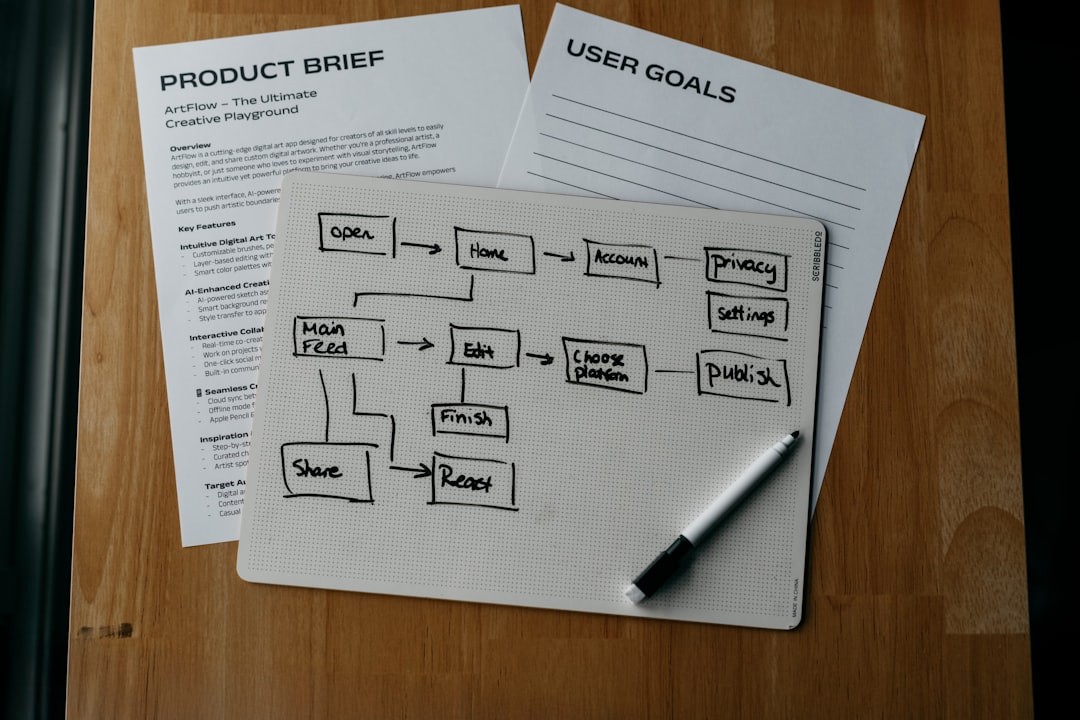
Map your process first. Keep it simple. Who creates a record? Who approves it? Who edits it? Who closes it? What reports are needed?
Then compare providers against that real workflow. Do not buy based only on a demo. Demos are theater. Everyone claps. Nobody imports 12,000 old customer records during the show.
A small retailer might need inventory counts, supplier orders, and daily sales reports. A law office may need document storage, client notes, billing timers, and permission controls. Same ASP idea. Very different needs.
Quick pros and cons of ASPs
Pros:
- Lower upfront costs
- Fast setup
- Automatic updates
- Remote access
- Less hardware to manage
- Easier scaling as staff grows
Cons:
- Monthly fees can grow
- Internet access is required
- Outages can stop work
- Data export may be clunky
- Support quality varies
- Security still needs attention
How to choose a good ASP
Use a short checklist. Keep it practical.
- List your must-have tasks. Not dreams. Real daily work.
- Ask for total cost. Include setup, support, storage, and training.
- Test support. Do this before you pay.
- Review security. Ask for encryption, backup, and compliance details.
- Check uptime history. Do not rely only on sales claims.
- Try data export. Make sure leaving is possible.
- Run a pilot. Use real users and real tasks for 30 days.
Here is a simple case. A 12-person repair company moves from spreadsheets to an ASP field service app. Technicians get job details on phones. Office staff tracks parts. Invoices go out the same day. If each worker saves just 20 minutes per day, that is 20 hours saved each week. That is not magic. That is fewer repeat calls and less copy-paste misery.
The bottom line
ASPs are useful when you want software without owning the whole technical mess behind it. They can save money, reduce admin work, and make teams more flexible. But you must check uptime, support, security, pricing, and data access.
Pick with care. Test with real work. And never trust a demo that looks too smooth. Somewhere behind it, there is always a spreadsheet waiting to bite.