
Choose an AI sandboxing platform when untrusted AI agents need to run tools, browse files, call APIs, or execute code with minimal risk. Choose a narrower secure code execution alternative when the task is predictable, short lived, and easier to restrict. The safest option is rarely the most flexible one, and that tradeoff deserves serious review before any agent touches production data.
TLDR: AI sandboxing platforms are built for broader agent activity, while secure code execution alternatives focus on running code in a controlled runtime. For example, a support automation team running 50,000 agent tasks per month may use a sandbox to isolate file access, secrets, network calls, and browser actions in one place. If only 8% of those tasks execute Python snippets, a lightweight code runner may be cheaper and easier for that slice. The right choice depends on risk, cost, latency, and how much freedom the AI system needs.
What an AI sandbox actually protects
An AI sandbox is a controlled environment where an AI model or agent can take actions without gaining unsafe access to the host system. It may execute code, open files, install packages, use browsers, query internal tools, or call APIs. The sandbox acts as the boundary.
That boundary matters because AI agents are not normal software processes. They can be prompted by users, poisoned by web pages, confused by documents, or tricked by malicious code. A model may not intend harm, but it can still follow bad instructions. This is where classic application controls start to feel thin.
Typical AI sandboxing platforms include several layers:
- Process isolation through containers, microVMs, or jailed workers.
- Filesystem controls that limit what an agent can read, write, or delete.
- Network restrictions to block risky domains, internal IP ranges, or unknown outbound traffic.
- Secret handling that prevents plain exposure of API keys and tokens.
- Tool permissions that define which commands, APIs, and plugins an agent may use.
- Logging and replay so teams can reconstruct agent behavior after an incident.
The goal is not just to stop bad code. It is to limit the blast radius of bad decisions.
How secure code execution alternatives differ
Secure code execution tools are usually tighter in scope. They answer one main question: How can we run untrusted code safely? That code may come from a user, an AI model, a notebook, a coding assistant, or a grading system.
Common alternatives include:
- Container-based runners, often using Docker or similar tooling.
- MicroVMs, such as Firecracker-style isolation, for stronger tenant separation.
- WebAssembly runtimes, useful for small, portable workloads with strict memory and system access rules.
- Serverless functions with short execution windows and limited permissions.
- Language sandboxes, such as restricted Python or JavaScript interpreters.
- CI-style job runners for controlled build, test, and evaluation pipelines.
These options can be excellent. They are often cheaper, faster, and easier to reason about than a full AI sandbox. The catch is they may not cover the messy parts of agent behavior, such as browser use, long sessions, tool chaining, prompt injection, or uncontrolled retrieval from external content.
Security comparison: broad control versus narrow isolation
An AI sandbox is strongest when the agent has multiple ways to act. If it reads email, edits documents, queries a database, runs code, and calls third-party APIs, a simple code runner is not enough. The threat surface is wider than the interpreter.
A secure code runner is strongest when the workload is bounded. For example, “run this Python function against these test cases and return output” is a clear job. You can set CPU limits, memory caps, timeout rules, no-network policies, and clean-room storage. That simplicity is valuable.
AI sandboxing platforms tend to provide better answers for:
- Prompt injection defense across documents, web pages, and tool outputs.
- Multi-step agent workflows that need state but must remain contained.
- Audit trails across decisions, commands, files, and API calls.
- Enterprise policy controls for data access, approvals, and user roles.
Secure code execution alternatives tend to fit better for:
- Online coding tools and interview platforms.
- AI-generated code testing with fixed inputs and outputs.
- Education platforms that grade student submissions.
- Data science snippets where network access is not needed.

Operational cost and performance
Expect to waste time on integration details if the platform hides too much. Sandboxes sound clean in product demos, but real deployments need package mirrors, log exports, identity mapping, storage rules, and quota controls. A five-second agent task can become a twelve-second task if every run starts a fresh heavy environment.
Secure code execution alternatives often win on speed. A warm WebAssembly runtime or pooled container can start quickly. MicroVMs are slower than lightweight interpreters, but they offer stronger isolation. Full AI sandboxes may add more overhead because they manage tool state, files, credentials, network routing, and observability.
Cost also changes with usage shape. A company running millions of tiny code snippets may prefer a custom runner with strict quotas. A company running fewer but riskier agent workflows may accept higher per-session costs for better control and evidence.
Compliance and audit needs
Regulated teams should focus on proof, not claims. Ask vendors and internal platform owners how they show what happened. Logs should include commands, file access, network destinations, tool calls, model outputs, policy decisions, and session metadata.
For sensitive sectors, such as finance, health care, insurance, and legal services, audit trails may decide the architecture. If an AI agent drafts a client memo after reading confidential records, security teams need more than “the code ran in a container.” They need to know which files were opened, which external services were contacted, and whether secret data left the boundary.
Decision framework
Use these questions to make the choice:
- Does the AI only execute code? If yes, a secure code runner may be enough.
- Does the AI use tools, browsers, APIs, or files? If yes, prefer an AI sandbox.
- Can network access be blocked fully? If yes, simpler isolation becomes more appealing.
- Are secrets involved? If yes, require strong secret brokering and redaction.
- Do sessions need to persist? If yes, review cleanup, storage, and replay controls.
- What is the acceptable failure mode? A bad answer is one risk. Data exposure is another.
Honestly, it feels like too many teams treat “containerized” as a complete safety plan. It is not. Containers help, but they do not automatically solve prompt injection, unsafe tool permissions, leaked credentials, or an agent sending private data to an external endpoint.
Practical architecture patterns
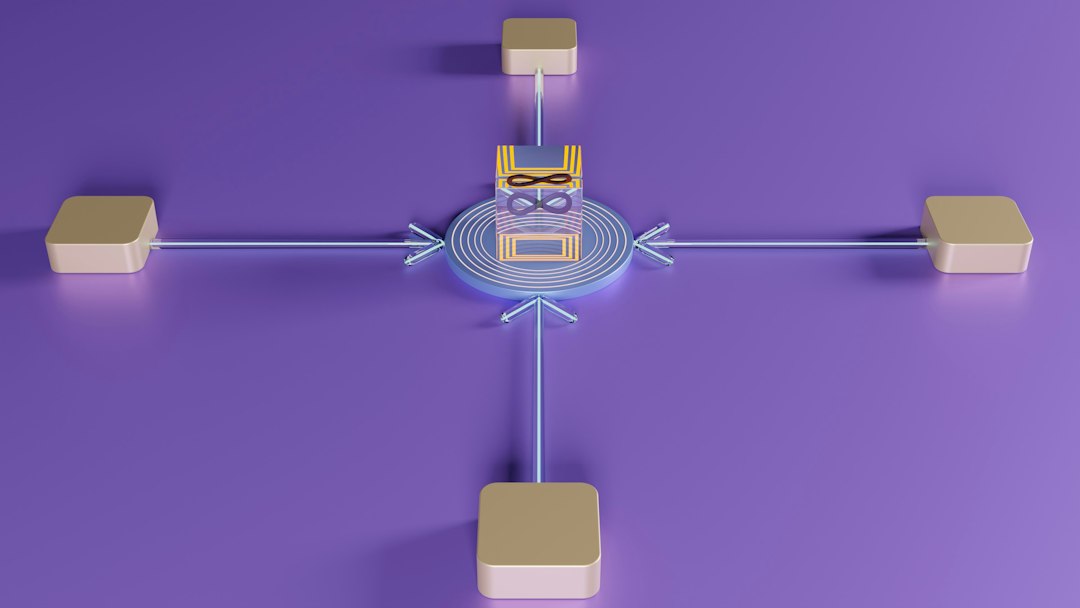
Many mature teams use both models. They place the agent inside an AI sandbox, then route code execution to a stricter runner inside that boundary. This creates two safety layers. The agent can plan and call tools, but generated code still runs in a limited runtime with CPU, memory, network, and file restrictions.
A sensible production setup may include:
- Default deny network rules, with explicit allowlists for required services.
- Short-lived credentials, scoped to one task or session.
- Read-only input mounts and separate output directories.
- Hard timeouts for code, browser actions, and tool calls.
- Human approval gates for high-risk actions such as sending emails or changing records.
- Session recording for incident review and quality checks.
Final recommendation
If your AI system acts like a software user, not just a code generator, use an AI sandboxing platform. It gives broader control over tools, files, network access, and session behavior. If your system only needs to run short, well-defined code tasks, a secure code execution alternative may be safer, faster, and easier to operate.
The strongest choice is the one that matches the risk. Do not buy a large platform to solve a small interpreter problem. Do not trust a small code runner to contain an autonomous agent with access to sensitive systems. Treat the sandbox as a safety boundary, then test that boundary like someone will try to break it.