
In-app purchases are the lifeblood of many mobile apps. Games. Fitness tools. Streaming services. Even productivity apps. But here’s the big question. How do you really know how much money you’re making? And more importantly, how do you know why you’re making it? That’s where in-app purchase analytics platforms step in. They help you track every tap, every subscription, and every dollar.
TLDR: In-app purchase analytics tools help you track revenue, subscriptions, refunds, and user behavior. They show what users buy, when they buy, and why they stop buying. The right platform can boost your revenue and cut churn. Below are six powerful tools that make revenue tracking simple and actionable.
Let’s break it down in a fun and simple way.
Why In-App Purchase Analytics Matter
Imagine running a store in complete darkness. You hear the cash register. But you don’t know what sold. Or who bought it. Or why they walked out.
That’s what running an app without analytics feels like.
With the right analytics platform, you can:
- Track revenue in real time
- Monitor subscriptions and renewals
- Spot failed payments
- Identify top spending users
- Understand churn patterns
Knowledge equals growth. Always.
Now, let’s explore six platforms that do this beautifully.
1. RevenueCat
If in-app purchases had a best friend, it would be RevenueCat.
RevenueCat was built specifically for managing subscriptions and purchases. It connects with App Store and Google Play. Then it turns messy receipt data into clean insights.
Why people love it:
- Simple dashboard
- Real-time subscription tracking
- Cross-platform support
- Webhook integrations
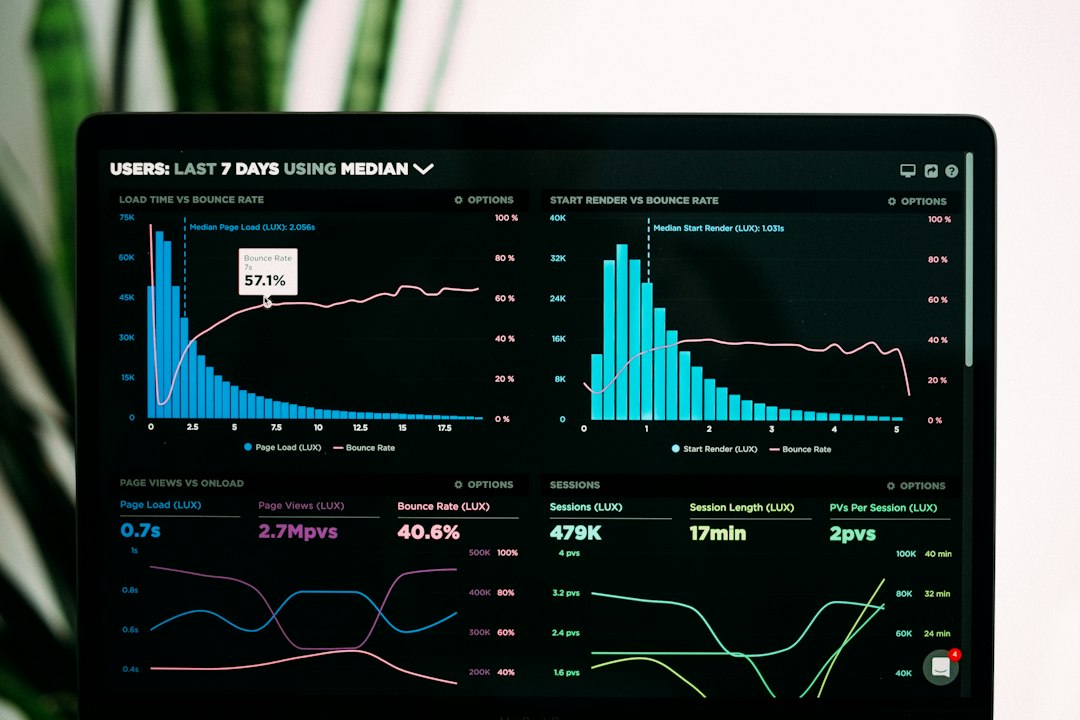
You can see monthly recurring revenue (MRR) instantly. You can track churn. You can even measure trial conversions.
It’s especially great for subscription-based apps. Think meditation apps. Fitness apps. SaaS tools.
Best for: Apps that rely heavily on subscriptions.
2. Firebase Analytics (with Google Analytics 4)
Firebase is like a Swiss Army knife for app developers.
It’s free to start. It’s powerful. And it works smoothly with Google’s ecosystem.
With Firebase, you can track:
- In-app purchase events
- User engagement
- Funnel progression
- Lifetime value (LTV)
The magic happens when you combine it with Google Analytics 4.
You can build custom revenue reports. You can segment users by behavior. You can compare paying users vs. non-paying users.
It may not be subscription-focused like RevenueCat. But it gives you a broad, flexible view of your app’s performance.
Bonus: It’s great for startups with tight budgets.
Best for: Developers who want both product and revenue analytics in one place.
3. AppsFlyer
AppsFlyer is known for marketing attribution. But it also shines in revenue tracking.
Here’s the big benefit. It connects revenue data with acquisition data.
That means you can answer questions like:
- Which ad campaign drives the highest-paying users?
- Which channel produces loyal subscribers?
- Are Facebook users spending more than TikTok users?
This is powerful stuff.
You’re no longer just tracking money. You’re tracking where the money comes from.
AppsFlyer also offers:
- Fraud protection
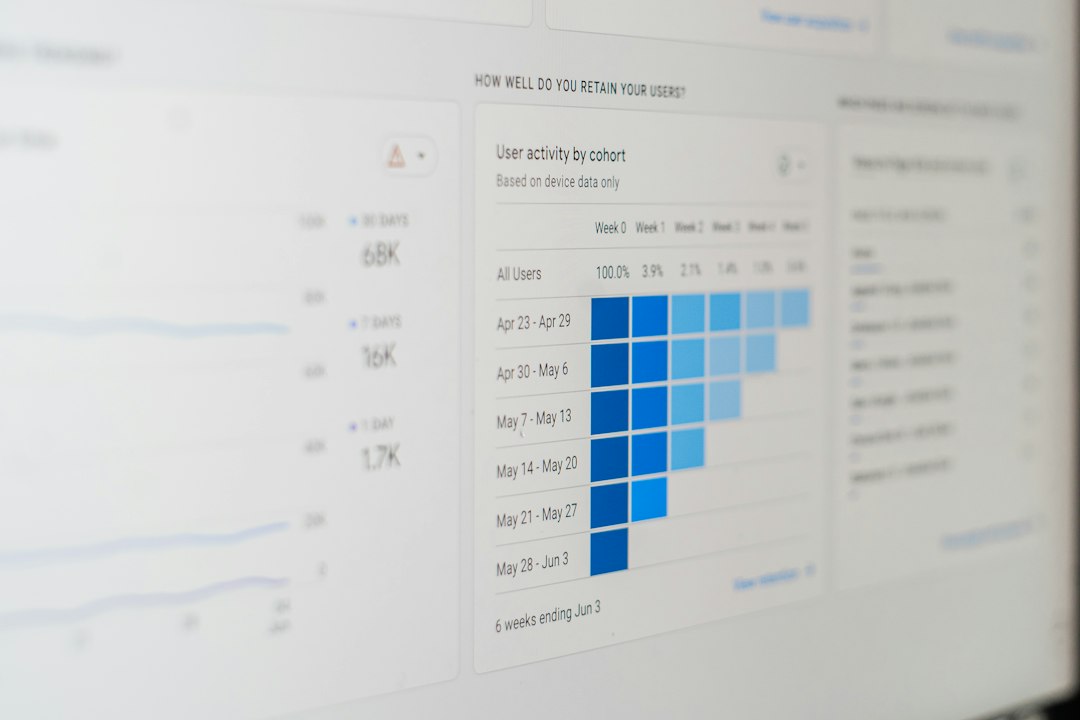
- Cohort analysis
- Retention tracking
- Deep linking insights
Best for: Apps investing heavily in paid marketing.
4. Amplitude
Amplitude focuses on product analytics. But don’t underestimate its revenue power.
It connects user behavior with spending behavior.
For example:
- Do users who complete onboarding spend more?
- Does using Feature A increase subscription upgrades?
- What actions predict a high lifetime value user?
Amplitude makes these patterns easy to see.
Its charts are clean. Its funnels are visual. Its segmentation tools are strong.
You can build behavioral cohorts like:
- Users who purchased within 3 days
- Users who canceled after price increase
- Users who upgraded after trial
This is gold for product teams.
Best for: Teams that want deep behavioral insights tied to revenue.
5. Mixpanel
Mixpanel is all about events.
Every tap. Every click. Every purchase.
You define the events. Mixpanel tracks them.
When it comes to in-app purchases, you can measure:
- Purchase frequency
- Average revenue per user (ARPU)
- Conversion rates
- Subscription renewals
Its real strength lies in funnel analysis.
You can see exactly where users drop off before buying.
Maybe they abandon at the paywall. Maybe pricing is confusing. Maybe the checkout screen is slow.
Mixpanel helps you find friction.
And once you remove friction, revenue grows.
Best for: Data-driven teams who love detailed event tracking.
6. Adapty
Adapty is built specifically for subscription apps.
It focuses on optimizing paywalls and subscriptions.
This makes it unique.
You can run A/B tests on:
- Pricing structures
- Paywall designs
- Free trial lengths
- Discount offers
And then track how each test affects revenue.
It also provides:
- Real-time subscription analytics
- Churn monitoring
- Revenue forecasting
- Cohort reporting
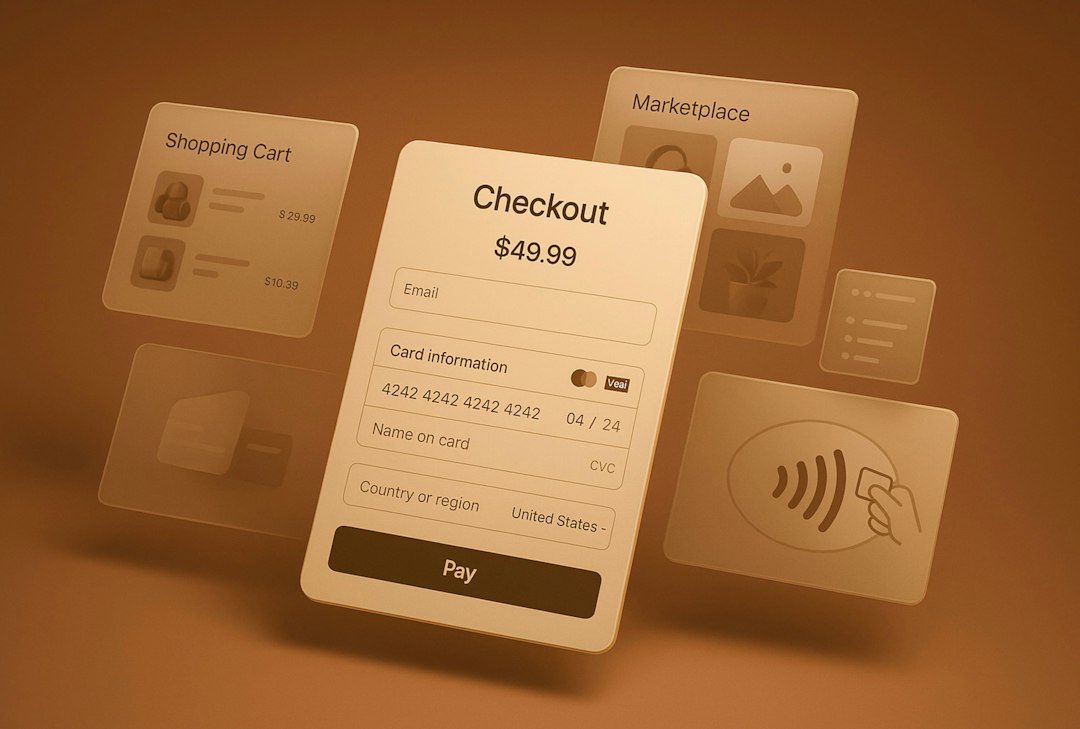
Adapty is simple. Focused. And revenue-driven.
Best for: Apps that want to aggressively optimize subscriptions.
How to Choose the Right Platform
Not every app needs the same tool.
Ask yourself:
- Do I rely mostly on subscriptions?
- Do I run paid ad campaigns?
- Do I need deep behavior tracking?
- What’s my budget?
Here’s a simple guide:
- Subscription heavy app? Try RevenueCat or Adapty.
- Marketing driven growth? Go with AppsFlyer.
- Behavior focused product team? Choose Amplitude or Mixpanel.
- Startup on a budget? Start with Firebase.
Also think about integration.
Does it work with your backend? Your CRM? Your ad platforms?
Smooth data flow saves hours.
Key Metrics You Should Always Track
No matter which platform you pick, keep your eyes on these numbers:
- Monthly Recurring Revenue (MRR)
- Average Revenue Per User (ARPU)
- Customer Lifetime Value (LTV)
- Churn Rate
- Trial-to-Paid Conversion Rate
- Refund Rate
These metrics tell a story.
Growth. Stability. Risk. Opportunity.
Review them regularly. Not once a quarter. Not once a month. Weekly is better.
Final Thoughts
In-app purchases can turn a small app into a money machine.
But guessing won’t get you there.
You need visibility.
You need clarity.
You need data that speaks clearly.
The right analytics platform does more than display numbers. It reveals patterns. It highlights leaks. It shows growth opportunities.
Start simple if you need to. Scale when ready.
But never fly blind.
Because in the world of apps, the developers who understand their revenue always win.