
Modern supply chains demand speed, accuracy, and complete visibility from warehouse to doorstep. As customer expectations continue to rise and same-day or next-day delivery becomes standard, businesses must rely on advanced logistics platforms to remain competitive. The right technology does more than move goods—it connects data, teams, drivers, and customers into a seamless operational ecosystem.
TL;DR: Logistics platforms play a critical role in improving delivery efficiency by optimizing routes, automating workflows, and providing end-to-end visibility. From Transportation Management Systems (TMS) to last-mile delivery software, these tools reduce costs, streamline communication, and enhance customer satisfaction. Businesses that invest in the right combination of platforms gain real-time insights and stronger operational control. Below are seven powerful logistics platforms that significantly improve delivery performance across operations.
1. Transportation Management Systems (TMS)
A Transportation Management System (TMS) forms the backbone of many logistics operations. It enables organizations to plan, execute, and optimize the movement of goods efficiently across multiple transportation modes.
Key benefits include:
- Route optimization and automated load planning
- Freight cost benchmarking and carrier selection
- Real-time shipment tracking
- Performance analytics and reporting
Advanced TMS platforms use algorithms and predictive analytics to identify the most efficient routes while factoring in traffic, weather conditions, fuel costs, and delivery windows. This results in lower transportation expenses and improved on-time delivery performance.
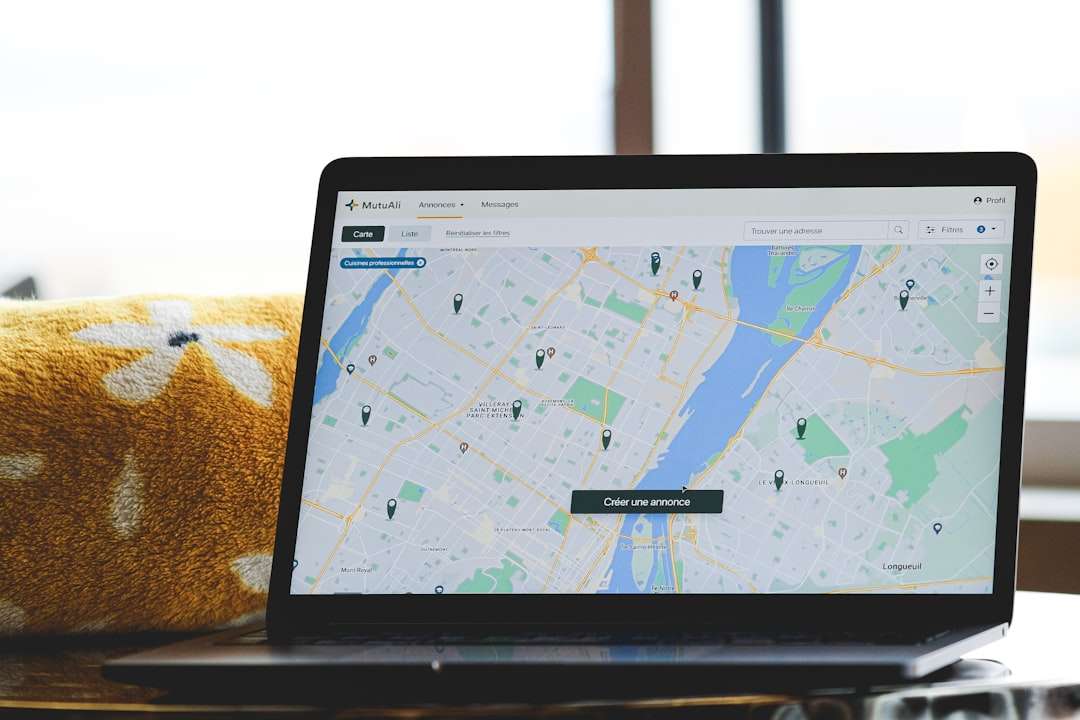
For growing businesses, a scalable TMS improves coordination between dispatchers, drivers, carriers, and warehouse teams, reducing delays caused by miscommunication.
2. Warehouse Management Systems (WMS)
Delivery efficiency begins in the warehouse. A Warehouse Management System (WMS) ensures inventory accuracy, streamlined picking processes, and optimized space utilization.
Core features typically include:
- Barcode scanning and RFID integration
- Automated picking and packing workflows
- Inventory forecasting and replenishment alerts
- Labor management tools
When warehouse operations are optimized, orders are processed faster and with fewer errors. This reduces fulfillment delays and improves delivery timelines. A strong WMS also integrates with TMS platforms to ensure seamless data exchange between storage and transportation systems.
3. Last-Mile Delivery Software
The final step in the delivery process—commonly known as the last mile—is often the most expensive and complex. Dedicated last-mile delivery platforms specialize in optimizing this critical stage.
They enhance operations by providing:
- Dynamic route optimization in real time
- Driver mobile applications with proof of delivery
- Customer notifications and ETA updates
- Geofencing and delivery validation
By offering accurate delivery windows and live tracking, these platforms significantly improve customer satisfaction. Real-time rerouting based on road conditions or failed delivery attempts reduces inefficiencies and fuel costs.

4. Fleet Management Platforms
Fleet management software provides visibility into vehicle performance, driver behavior, and fuel consumption. It combines GPS tracking with telematics to help companies optimize fleet operations.
Important capabilities include:
- Vehicle diagnostics monitoring
- Fuel usage tracking
- Driver performance scoring
- Preventive maintenance scheduling
By minimizing breakdowns and unexpected downtime, fleet management platforms ensure vehicles remain operational and deliveries stay on schedule. Additionally, driver behavior monitoring improves safety and reduces accident-related disruptions.
5. Order Management Systems (OMS)
An Order Management System (OMS) centralizes customer orders from multiple sales channels, such as e-commerce platforms, marketplaces, and physical stores.
Benefits include:
- Real-time inventory synchronization
- Automated order routing
- Multichannel fulfillment coordination
- Return and refund processing
An OMS ensures orders are routed to the nearest or most efficient fulfillment center, reducing shipping distances and delivery times. The automation of fulfillment decisions minimizes human error and accelerates processing speed.
6. Supply Chain Visibility Platforms
Supply chain visibility tools provide end-to-end transparency across suppliers, warehouses, carriers, and customers. These platforms aggregate data from multiple systems to offer a unified operational view.
Key advantages include:
- Real-time status updates across shipment stages
- Predictive delay notifications
- Risk management alerts
- Data-driven performance metrics

By identifying disruptions early—such as port congestion or weather-related delays—businesses can proactively reroute shipments, manage expectations, and prevent delivery failures.
7. Automated Dispatch and Scheduling Tools
Dispatch management software automates the assignment of orders to available drivers or carriers based on capacity, proximity, and service level agreements.
Core features typically include:
- Automated driver assignment
- Load balancing
- Smart scheduling
- Digital documentation management
Automation reduces manual scheduling errors and ensures balanced workloads. Dispatchers gain greater oversight, allowing them to focus on strategic improvements instead of repetitive administrative tasks.
Comparison Chart of Logistics Platforms
| Platform | Primary Focus | Key Benefit | Best For |
|---|---|---|---|
| Transportation Management System (TMS) | Shipment planning and routing | Route optimization and freight cost control | Mid to large scale distributors |
| Warehouse Management System (WMS) | Inventory and fulfillment operations | Improved picking accuracy and speed | Warehouses and fulfillment centers |
| Last Mile Delivery Software | Final delivery stage | Real-time driver tracking and ETA updates | Retail and e-commerce businesses |
| Fleet Management Platform | Vehicle and driver monitoring | Reduced downtime and fuel costs | Companies with owned fleets |
| Order Management System (OMS) | Order coordination | Faster order routing and processing | Multichannel retailers |
| Supply Chain Visibility Platform | End-to-end tracking | Predictive disruption management | Global supply chains |
| Automated Dispatch Tools | Driver assignment and scheduling | Balanced workload and automation | Courier and delivery services |
How These Platforms Work Together
While each logistics platform provides unique advantages, the greatest efficiency gains occur when they are integrated into a unified ecosystem. For example:
- A WMS communicates order readiness to a TMS.
- The TMS optimizes routes and passes data to dispatch software.
- Fleet management systems monitor vehicle performance during transit.
- Last-mile platforms update customers in real time.
- Visibility tools provide executives with strategic insights.
This interconnected structure reduces manual handoffs, minimizes delays, and ensures accurate data flows across systems. Businesses that adopt integrated logistics architectures often experience faster delivery cycles, lower costs, and higher customer retention rates.
Choosing the Right Logistics Platforms
Selecting the right combination of logistics tools depends on:
- Business size and shipment volume
- Geographic delivery coverage
- Industry compliance requirements
- Budget and scalability needs
- Existing technology infrastructure
Companies should prioritize platforms that offer strong integration capabilities, cloud-based accessibility, and real-time analytics dashboards. Flexibility and scalability are especially important for businesses experiencing rapid growth.
Ultimately, technology serves as a force multiplier. By reducing human error, automating processes, and generating actionable data, logistics platforms transform delivery operations from reactive to proactive systems.
Frequently Asked Questions (FAQ)
1. What is the most important logistics platform for improving delivery efficiency?
There is no single most important platform. However, a Transportation Management System (TMS) often provides the greatest impact by optimizing routes and reducing freight costs. The ideal solution depends on a company’s operational challenges.
2. Can small businesses benefit from logistics platforms?
Yes. Many modern logistics platforms are scalable and cloud-based, making them accessible to small and mid-sized businesses. Even basic route optimization software can significantly reduce fuel and labor costs.
3. How do logistics platforms reduce delivery costs?
They reduce costs through route optimization, automation of manual tasks, fuel tracking, predictive maintenance, improved inventory accuracy, and better coordination between supply chain partners.
4. Are these platforms difficult to integrate?
Most modern solutions offer APIs and integration tools designed to connect with existing ERP, CRM, and e-commerce systems. Implementation complexity varies depending on operational size and legacy infrastructure.
5. How does real-time tracking improve customer satisfaction?
Real-time tracking provides transparency and accurate delivery estimates. Customers appreciate timely updates and clear communication, which builds trust and loyalty.
6. What industries benefit the most from logistics platforms?
Industries such as retail, e-commerce, manufacturing, healthcare, food distribution, and third-party logistics (3PL) providers benefit greatly from improved delivery coordination and visibility.
By strategically leveraging the right logistics platforms, organizations transform their delivery networks into highly responsive, data-driven systems. In a competitive marketplace where speed and reliability define success, efficient logistics technology is no longer optional—it is essential.