
As we move closer to the mid-2020s, technology continues to evolve at a breakneck pace. Innovations are transforming not only how we communicate and work but also how we interact with the world around us. From AI-enhanced devices to sustainability-focused hardware, the year 2026 promises a range of cutting-edge tools and gadgets that will redefine daily life.
TLDR: The year 2026 will usher in a new wave of tech focused on sustainability, hyper-connectivity, and AI integration. Personal gadgets will be more intelligent, wearable devices more essential, and the digital ecosystem more immersive than ever. Expect breakthroughs in spatial computing, energy-efficient design, and decentralized services. Staying informed about these shifts is crucial for consumers and professionals alike.
A Surge in Spatial Computing and Augmented Reality
One of the most anticipated shifts in 2026 is the marked acceleration in spatial computing. This refers to the manipulation of digital objects in a 3D space powered by augmented reality (AR) and virtual reality (VR). Companies like Apple, Meta, and Google have begun laying the groundwork for this transition with their AR platforms and head-mounted displays.
Expect AR glasses in 2026 to go mainstream, offering seamless integration into daily workflows—from calendar syncing to navigation overlays—all while maintaining a sleek and minimalist aesthetic.

Key enhancements in spatial computing expected by 2026 include:
- Lightweight, stylish AR eyewear with 4K resolution per eye
- Real-time object recognition powered by edge AI processors
- Haptic feedback systems to simulate physical interaction in mixed-reality spaces
AI Embedded in Everyday Objects
Artificial intelligence in 2026 will no longer be confined to high-end servers and software. It will be an integral part of everyday gadgets—thanks to advancements in chip design, energy efficiency, and local data processing. Smart home tools, wearables, and even kitchen appliances will incorporate AI to anticipate needs rather than just respond to commands.
Predictive behavior modeling will allow devices like smart thermostats or coffee machines to adapt to their user’s habits autonomously. Your refrigerator won’t just keep food cold; it will suggest meals based on expiration timelines and your dietary preferences.
Consumer electronics from leading brands are all racing to embed Generative AI models directly into devices, reducing reliance on internet connectivity and enhancing privacy by keeping sensitive data local.
Wearables Will Go Beyond Health Tracking
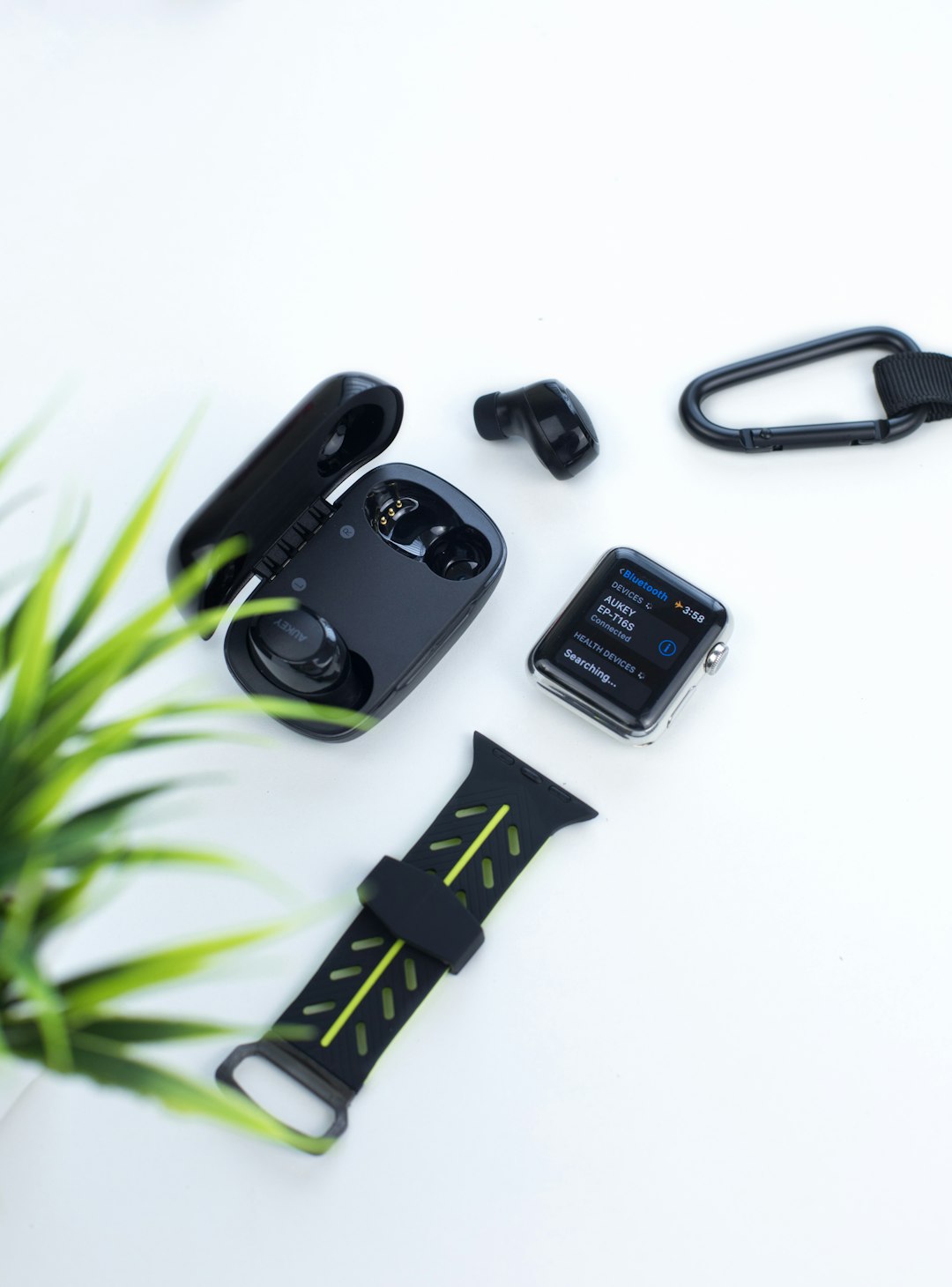
In 2026, wearables will evolve from fitness trackers into holistic personal assistants. Smartwatches and next-gen rings will monitor mental well-being, hydration levels, and even early signs of disease through bloodless diagnostics and non-invasive sensors.
Expected innovations include:
- Electrodermal activity sensors for real-time stress detection
- Continuous glucose monitoring without a needle
- Integration with AI to issue tailored health advice or warnings
What’s more, these devices will become interoperable—forming a cohesive personal health cloud. All data will sync across platforms, enabling doctors to access precise analytics and reduce diagnosis time.
Smart Homes Will Become Autonomous Ecosystems
The smart home of 2026 isn’t just connected—it’s intelligent. Appliances, lighting, climate control, and security will evolve into a self-regulating ecosystem. These systems will actively learn from your routines and respond dynamically to external stimuli like weather patterns or energy costs.
Breakthroughs in smart home technology will include:
- AI-powered home hubs that integrate audio, video, and lighting for immersive experience
- Next-generation solar panels and battery storage with real-time optimization algorithms
- Touchless interfaces combining gesture, voice, and gaze input
One significant benefit will be energy efficiency. With the help of IoT analytics, your home will optimize usage across all devices, reducing utility bills and your carbon footprint.
Sustainability and Eco-Conscious Design
Environmental responsibility will be a cornerstone of technological design in 2026. Consumers are demanding transparency, and manufacturers are responding with gadgets made from recycled materials, energy-efficient processors, and biodegradable components.
Even packaging is being reimagined, with QR-based digital manuals replacing print and modular gadget designs extending product lifespans through easily replaceable parts.
Look out for:
- Laptops and smartphones using recycled rare-earth metals
- Energy-efficient OLEDs and proactive battery health management
- Environmental impact scores displayed on product packaging
Decentralized Technology and Data Ownership
The era of centralized data control is slowly fading. In 2026, blockchain and Web3 technologies will find practical use in consumer devices, enabling individuals to reclaim their data rights. Expect gadgets with built-in support for decentralized identity (DID) wallets, encrypted communication protocols, and peer-to-peer file transfers.
This will have significant implications for cybersecurity. New devices will not only encrypt your data—they’ll anonymize your usage patterns and store data locally or selectively on distributed ledgers.
Key elements to monitor:
- Consumer adoption of Web3-enabled smartphones and laptops
- Integration of non-custodial digital identities into mainstream services
- Decentralized storage solutions for personal cloud backups
Connected Mobility: Smarter EVs and Personal Transport
Electric vehicles (EVs) and personal mobility tools are undergoing rapid transformation. In 2026, cars will not just self-drive—they will offer integrated ecosystems connected to your smart home, calendar, and even wearables.
Expect to see:
- Vehicle-to-Everything (V2X) communication for real-time traffic, hazard, and weather adaptation
- Driver profiles integrated with AI for personalized media, temperature, and seating adjustments
- Micromobility advancements such as folding e-bikes with AI route planning
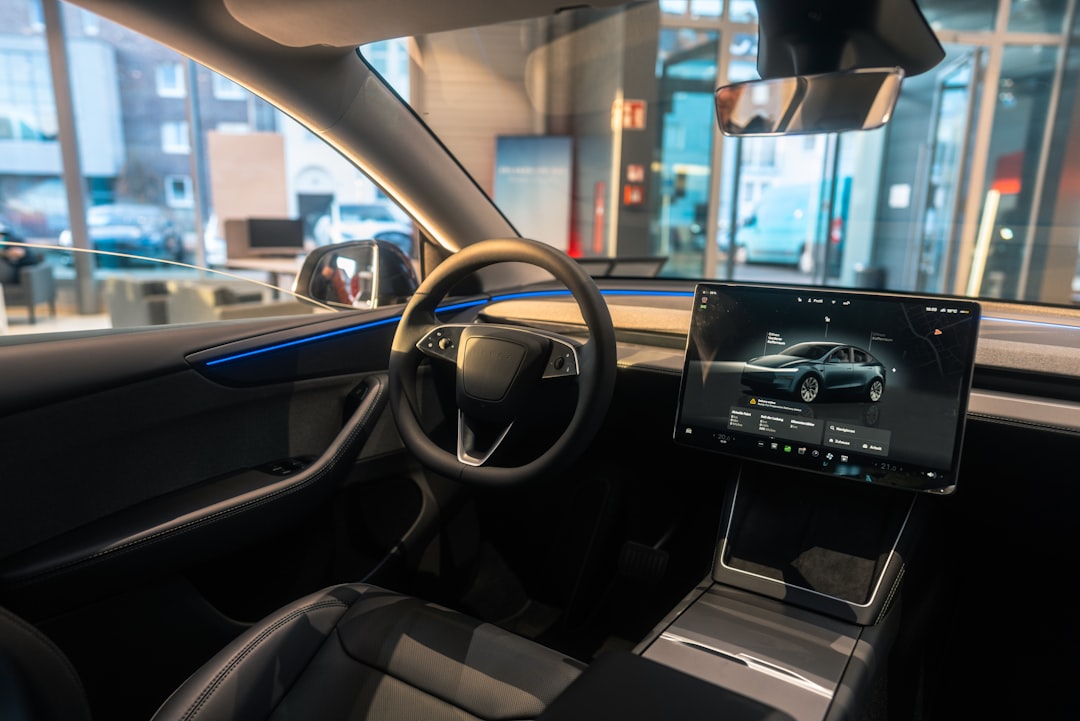
Moreover, shared mobility services will become more adaptive. Apps will offer dynamic pricing based on congestion levels and local demand, reducing environmental impact through smarter allocation of vehicles.
The Evolving Role of Digital Assistants
Digital assistants will become far more advanced by 2026. These aren’t just voice-activated bots—they’re evolving into context-driven companions powered by large language models. From writing emails to managing travel logistics to making sense of financial data, assistants will be omnipresent across devices and platforms.
Multilingual support, emotion-based responses, and more naturalistic interactions will create a sense of partnership rather than simple task execution. Several tech giants are already forging partnerships to ensure cross-compatibility between smart assistants and productivity suites.
How to Prepare for the Technological Shifts of 2026
With growing complexity in the tech landscape, consumers need to be more informed than ever before. Here’s how to stay ahead:
- Regularly update your device software and educate yourself on privacy settings
- Invest in devices designed to integrate with future upgrades and systems
- Follow reputable tech journalism and attend online demos or webinars from device manufacturers
Ultimately, the key to thriving in 2026’s tech environment is to remain adaptable and curious. New tools are designed to enhance productivity and quality of life—but understanding their function and limitations is where true user empowerment begins.
Conclusion
The technology horizon for 2026 is filled with promise and complexity. As gadgets become smarter, more sustainable, and interconnected, the line between the digital and physical world will continue to blur. Consumers should prepare to embrace not only new tools but also new ways of thinking about technology—where personalization, privacy, and practical intelligence reign supreme.