
The right SaaS content marketing platform should make publishing repeatable, measurable, and less dependent on memory. A strong content strategy needs planning, SEO research, briefing, approvals, distribution, and reporting in one clear process. Content Marketing Institute reports that 84% of B2B marketers said content marketing helped create brand awareness, which makes consistency more than a nice extra [source: Content Marketing Institute].
TLDR: If you want one serious starting point, compare Semrush, HubSpot, CoSchedule, StoryChief, GatherContent, MarketMuse, and Airtable. For example, a five-person marketing team publishing 12 articles per month could save about 4 to 6 hours monthly by using shared briefs, approval steps, and one calendar instead of email threads. The best choice depends on your main pain: SEO, workflow, planning, publishing, or reporting.

1. Semrush Content Marketing Platform
Best for: SEO-led content teams that need ideas, briefs, and tracking.
Semrush is a strong choice when search traffic matters. It helps teams find topics, check keyword difficulty, study competitors, and track rankings after publication. The platform is useful for building content plans around real search demand rather than guesswork.
The annoying part? It can feel heavy if your team only needs a simple editorial calendar. Expect to spend time setting up projects, keyword lists, and reporting views before it feels clean.
- Strength: Keyword research and competitor analysis.
- Weakness: Can be too much for small teams with light SEO needs.
- Good fit: SaaS brands, agencies, and B2B teams focused on organic growth.
2. HubSpot Marketing Hub
Best for: Teams that want content tied to CRM, email, forms, and lead tracking.
HubSpot is not only a content tool. That is its biggest advantage. Blog posts, landing pages, emails, workflows, contact records, and campaign reports can sit in the same system. This helps teams see which content attracts leads, not just visits.
It is a serious platform for companies that care about the full funnel. A blog post can connect to a form, a nurture email, and a sales task. That kind of visibility matters when leadership asks what content is actually doing.
- Strength: Strong reporting across content, leads, and sales activity.
- Weakness: Pricing can rise quickly as contact lists and features grow.
- Good fit: B2B companies with sales teams and lead generation goals.
3. CoSchedule Marketing Calendar
Best for: Teams that need a clean calendar and fewer missed deadlines.
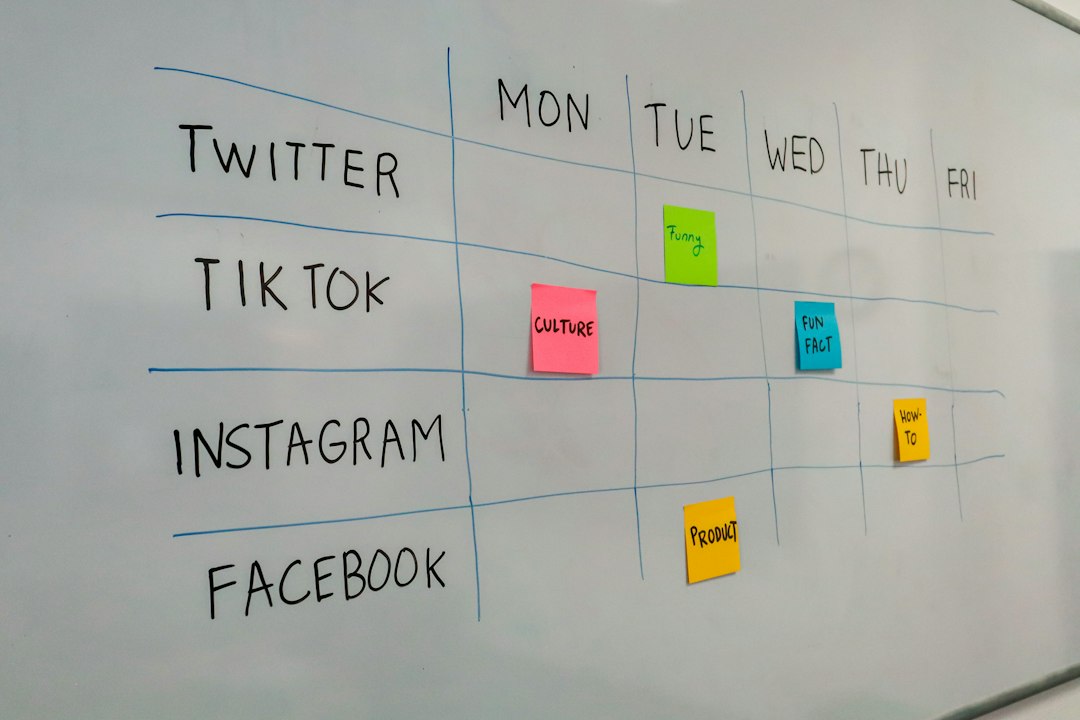
CoSchedule is built around planning. It gives teams one place to manage campaigns, blog posts, social posts, owners, and due dates. If your current system is a spreadsheet with five versions, this will feel like a relief.
Honestly, it feels like many teams lose 10 minutes just finding the latest draft. CoSchedule reduces that mess. It is not the deepest SEO tool, but it is strong for order, visibility, and accountability.
- Strength: Editorial planning and task management.
- Weakness: Less useful if you need deep content scoring or technical SEO data.
- Good fit: Marketing managers handling many campaigns at once.
4. StoryChief
Best for: Multi-channel publishing from one workspace.
StoryChief helps teams write, review, approve, and publish content across blogs, newsletters, and social channels. Its value is speed. Instead of copying the same article into several systems, teams can prepare content once and send it to multiple places.
This is helpful for lean teams. It also supports collaboration, comments, and basic SEO checks. The interface is friendly, which matters when writers, editors, and managers all need to use the same tool.
- Strength: Publishing to several channels with less manual work.
- Weakness: Advanced analytics may still require other tools.
- Good fit: Small teams publishing blogs, newsletters, and social updates.
5. GatherContent
Best for: Structured content production and approvals.
GatherContent is useful when content needs clear fields, templates, roles, and sign-off steps. It works well for teams producing similar assets again and again, such as product pages, help content, case studies, or location pages.
The platform helps stop loose drafts from turning into approval headaches. Writers know what information is needed. Editors know what stage each piece is in. Managers can see what is stuck.
- Strength: Content templates, workflow control, and approvals.
- Weakness: Not a full SEO or campaign analytics platform.
- Good fit: Content operations teams and website content projects.
6. MarketMuse
Best for: Content briefs and topic depth.
MarketMuse helps teams plan content based on topical coverage. It can show gaps in existing content and suggest what a page should include to compete more strongly. This is useful for teams that already publish often but struggle to build authority around core subjects.
It is not the cheapest option. Still, it can reduce weak briefs and thin articles. For serious SEO teams, that can be worth it.
- Strength: Content scoring, brief creation, and topic gap analysis.
- Weakness: Cost and learning curve may be high for casual users.
- Good fit: Teams investing in long-term organic search growth.
7. Airtable
Best for: Custom content systems without heavy software rules.
Airtable is not a classic content marketing suite, but many teams use it as one. It can act as an editorial calendar, asset tracker, content database, and campaign planner. Its flexibility is the point.
The catch is that flexibility can turn messy. If no one owns the structure, fields multiply and views become confusing. With a clear setup, though, Airtable is a practical choice for teams that want control without buying a large platform.
- Strength: Custom databases, calendar views, and workflow flexibility.
- Weakness: Needs careful setup and governance.
- Good fit: Teams with unique processes or mixed content formats.

How to Choose the Right Platform
Start with the real bottleneck. If your issue is search growth, review Semrush or MarketMuse. If campaign reporting matters most, test HubSpot. If deadlines keep slipping, CoSchedule, GatherContent, or Airtable may be better.
Do not buy based on feature lists alone. Run a two-week trial with one real campaign. Build the brief. Assign the writer. Review the draft. Publish it. Then check the report. A platform is only useful if the team actually uses it every week.
A consistent content strategy is not built by software alone. It comes from clear ownership, repeatable steps, useful data, and honest reporting. The right SaaS platform simply makes those habits easier to keep.