
HubSpot is the safest all-in-one choice for SaaS content marketing, ActiveCampaign is stronger for email automation, and Mailchimp is best when the team needs simple newsletters without heavy setup. SaaS buyers often research long before they talk to sales, so content has to educate, qualify, and keep prospects warm. Gartner has reported that 75% of B2B buyers prefer a rep-free sales experience, which makes strong content systems more than a nice extra [source: Gartner].
TLDR: Pick HubSpot if you need one system for blogs, landing pages, CRM, email, and reporting. Pick ActiveCampaign if your SaaS growth depends on behavior-based email flows, lead scoring, and trial nurturing. Pick Mailchimp if you want fast campaign setup and a clean interface for smaller lists. For example, a SaaS site getting 20,000 monthly visits with a 2% content conversion rate can generate 400 leads; if email nurturing converts 15% to trials, that is 60 trial users from content alone.
What SaaS teams should look for
A good content marketing tool should do more than send emails. SaaS companies need tools that connect content to pipeline. That means landing pages, forms, segmentation, automation, analytics, and clean CRM data.
The hard part is that every platform claims to do everything. It drives me crazy that simple tasks, like finding campaign-level attribution, can take several clicks more than they should in some tools. The right choice depends on team size, sales motion, and how complex your customer journey is.
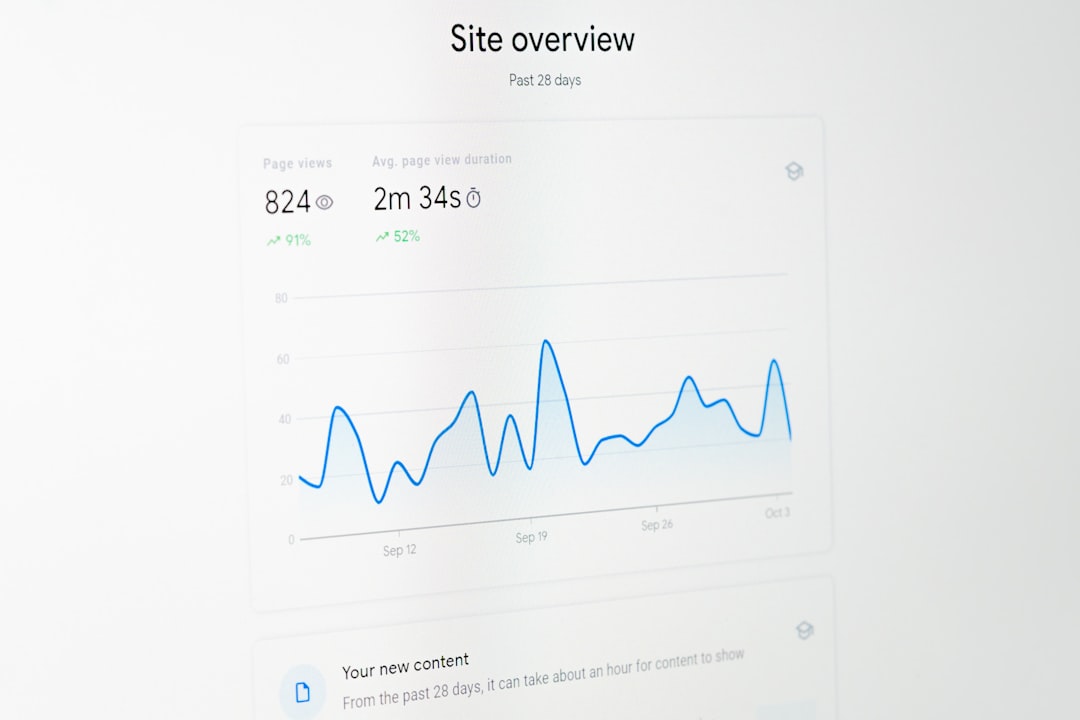
1. HubSpot: best for full content operations
HubSpot is the most complete option here. It combines CRM, email marketing, landing pages, blog tools, automation, forms, ads, and reporting in one place. For SaaS teams with marketing, sales, and customer success working together, that matters.
- Best for: B2B SaaS teams that need one shared system.
- Strengths: CRM visibility, content tools, automation, attribution, strong reporting.
- Weakness: Costs rise as contacts, seats, and advanced features increase.
HubSpot is a strong fit for companies with longer sales cycles. A visitor can read a blog post, download a guide, join a nurture flow, book a demo, and move into the CRM without messy handoffs. That is the main reason many SaaS teams accept the higher price.
2. ActiveCampaign: best for automation-heavy SaaS funnels
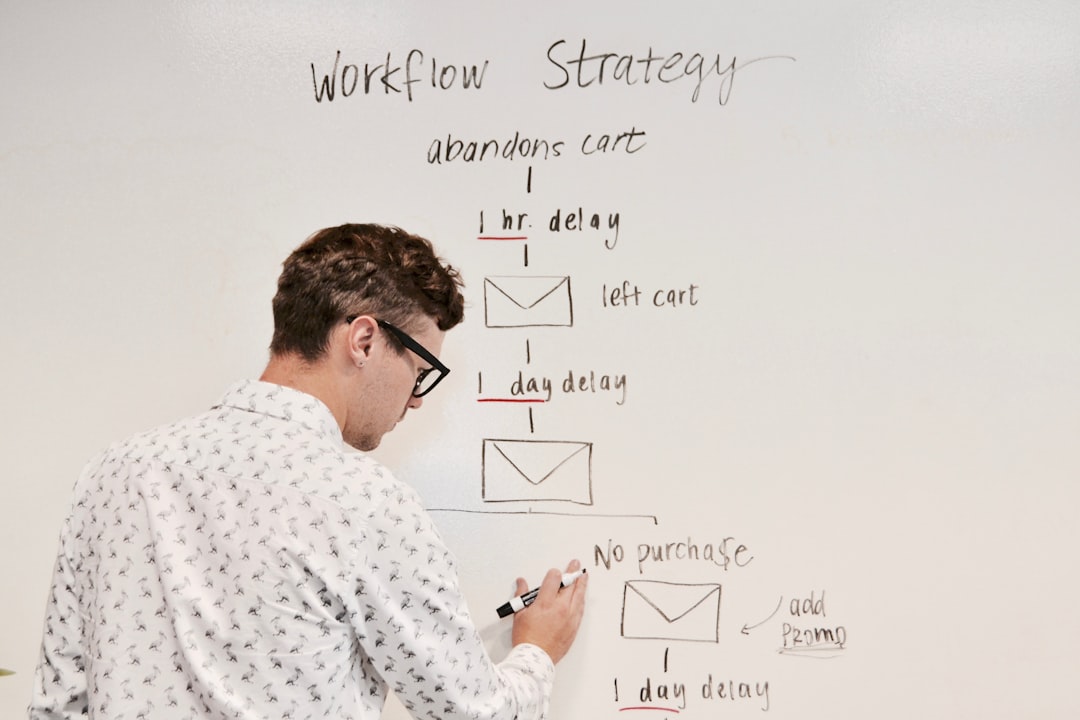
ActiveCampaign is excellent when email behavior matters. It handles tagging, segmentation, conditional logic, lead scoring, and trial nurture flows well. If your product has a free trial or freemium plan, this can be very useful.
- Best for: Teams that need advanced email journeys.
- Strengths: Automation builder, segmentation, scoring, ecommerce and app triggers.
- Weakness: Content publishing and native CRM depth are not as broad as HubSpot.
The catch is that ActiveCampaign can feel busy. Building a simple flow is easy. Maintaining 30 flows across trials, upgrades, churn risk, and onboarding takes discipline. Naming rules become critical fast.
3. Mailchimp: best for simple campaigns and smaller teams
Mailchimp is still a solid tool for SaaS companies that need clean newsletters, basic automation, and audience management. It is easy to understand. New users can build a campaign without much training.
- Best for: Early-stage SaaS teams and founder-led marketing.
- Strengths: Simple email builder, templates, audience tools, quick setup.
- Weakness: Advanced automation and SaaS-style lifecycle reporting can feel limited.
Mailchimp works best when your content program is still simple. Think product updates, monthly newsletters, webinar invites, and light nurture emails. Once you need deep trial behavior triggers, you may outgrow it.
4. Semrush: best for SEO planning
Semrush helps SaaS teams find keywords, track rankings, audit pages, and study competitors. It is not an email tool. It is a planning tool for content that needs organic traffic.
Use it to build topic clusters around product problems. For example, a project management SaaS might target “resource planning software,” “capacity planning template,” and “project workload management.” These terms can support blog posts, comparison pages, and feature pages.
5. Ahrefs: best for content gaps and backlinks
Ahrefs is another strong SEO tool. It is especially useful for backlink analysis and competitor content research. SaaS marketers can see which pages bring traffic to competing products and where those pages earn links.
- Use it for: Content gap analysis, keyword research, backlink checks, ranking tracking.
- Watch out for: Data can be overwhelming if you do not have a clear content plan.

6. StoryChief: best for content workflow and distribution
StoryChief helps teams plan, approve, publish, and distribute content. It is useful when multiple writers, editors, and managers touch each article. SaaS teams with strict review needs may like the structure.
It can push content across blogs, social channels, and newsletters. That saves time, but it will not replace a strong CRM or automation platform. Treat it as a production hub, not your whole marketing system.
Quick comparison
- HubSpot: Best overall for SaaS teams that want CRM, content, automation, and reporting in one place.
- ActiveCampaign: Best for detailed email automation and trial lifecycle campaigns.
- Mailchimp: Best for simple newsletters, basic journeys, and small teams.
- Semrush: Best for SEO research and content planning.
- Ahrefs: Best for competitor research and backlink analysis.
- StoryChief: Best for managing content production and approvals.
Final recommendation
If budget allows, choose HubSpot for the main SaaS marketing system. Add Semrush or Ahrefs for SEO research. If HubSpot is too expensive, pair ActiveCampaign with your CMS and analytics stack. If you are early and just need to ship campaigns, Mailchimp is enough.
The best setup is not the tool with the longest feature list. It is the one your team will use every week without breaking your reporting or wasting hours on fixes.