
Solar energy systems are long-term investments, and like any investment, they perform best when carefully monitored. Homeowners and businesses alike want to know how much electricity their panels are producing, how much money they are saving, and whether their systems are operating at peak efficiency. Modern solar monitoring tools make this process simple by offering real-time data, historical trends, savings calculations, and even maintenance alerts.
TLDR: Solar monitoring tools help users track energy production, consumption, and cost savings in real time. The best tools offer mobile apps, detailed analytics, and alerts for performance issues. Popular options include SolarEdge Monitoring, Enphase Enlighten, Sense Energy Monitor, Tesla App, Fronius Solar.web, and Emporia Vue. Choosing the right one depends on system compatibility, desired features, and budget.
With a range of platforms on the market, selecting the right monitoring solution can feel overwhelming. Below are six top solar monitoring tools that help users track performance and savings effectively, followed by a comparison chart and answers to frequently asked questions.
1. SolarEdge Monitoring Platform
Best for: Systems using SolarEdge inverters
SolarEdge offers one of the most comprehensive monitoring platforms available. Designed specifically for SolarEdge inverter systems, it provides detailed insight down to the individual panel level.
Users can view:
- Real-time energy production
- Panel-level performance data
- Historical production trends
- Estimated financial savings
- System alerts and fault detection
This granular visibility helps identify underperforming panels quickly. Installers also benefit from remote troubleshooting capabilities, reducing service visits and downtime.
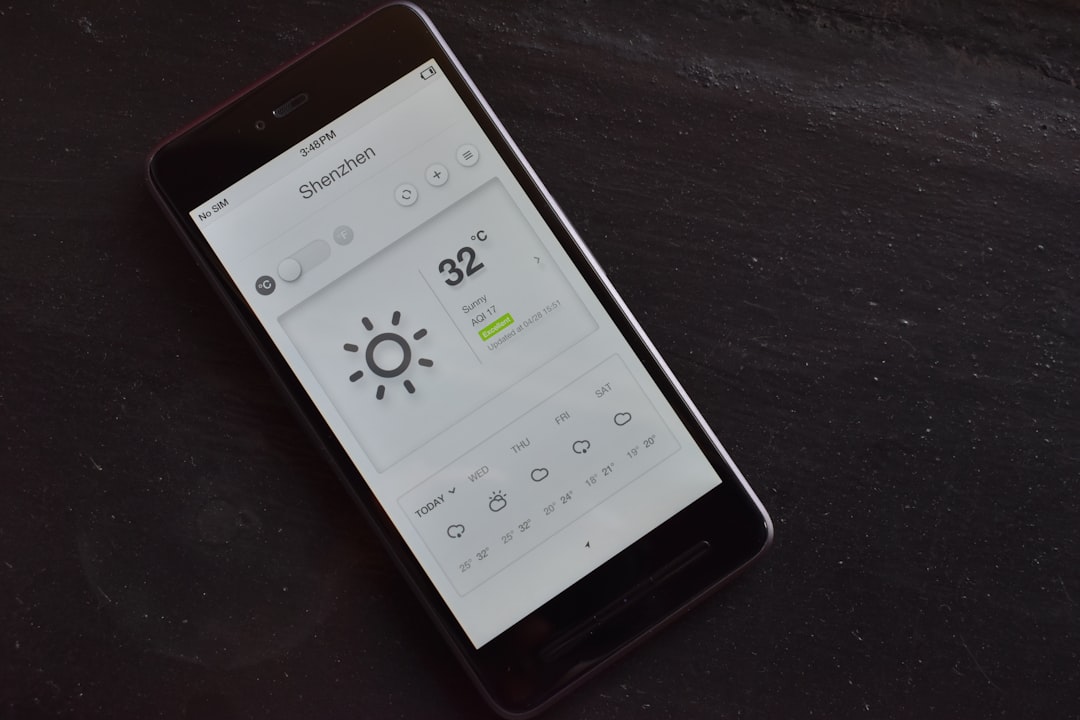
Because it integrates tightly with SolarEdge hardware, it is often considered the gold standard for owners of SolarEdge systems.
2. Enphase Enlighten
Best for: Systems with Enphase microinverters
Enphase Enlighten is a powerful monitoring tool designed for solar systems that use Enphase microinverters. Like SolarEdge, it provides panel-level insights, giving users a detailed breakdown of system performance.
Core features include:
- Performance by individual panel
- Consumption monitoring (with additional hardware)
- Mobile app access
- Battery storage tracking
- Estimated environmental impact metrics
Enphase has built a reputation for clear, visually engaging dashboards that are easy for homeowners to understand. The platform displays how much energy is being generated, consumed, exported to the grid, or stored in batteries.
This makes it particularly useful for users interested in maximizing self-consumption and reducing grid reliance.
3. Sense Energy Monitor
Best for: Whole-home energy tracking alongside solar
Sense Energy Monitor differs from inverter-specific platforms because it focuses on monitoring overall household energy usage. When connected to a solar system, it provides side-by-side comparisons of production and consumption.
Key features include:
- Appliance-level detection
- Real-time energy usage tracking
- Solar generation monitoring
- Custom alerts for unusual consumption
Over time, Sense uses machine learning to identify individual appliances within the home. This allows users to pinpoint which devices consume the most power and adjust behaviors accordingly.
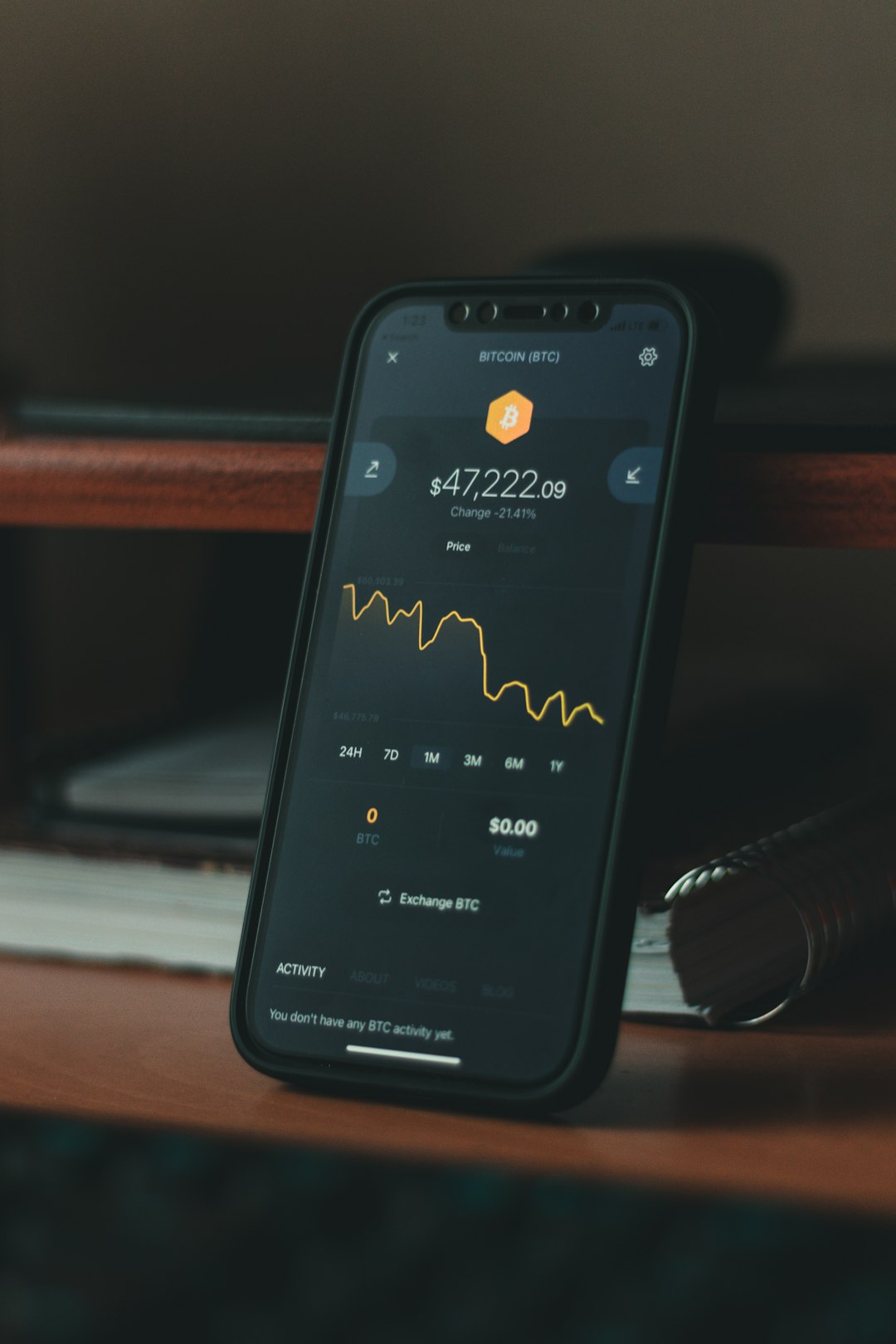
For homeowners focused on reducing electric bills through both solar production and smarter consumption, Sense offers a broader perspective than solar-only apps.
4. Tesla App (For Solar and Powerwall Owners)
Best for: Tesla Solar and Powerwall systems
The Tesla app integrates solar production, battery storage, and electric vehicle charging into one streamlined interface. Designed for Tesla’s ecosystem, it offers real-time monitoring and control.
Users can track:
- Solar energy generation
- Powerwall charging and discharging
- Home energy consumption
- Grid imports and exports
The app presents energy flows in a highly visual format, showing exactly where power is moving at any given moment. This transparency helps homeowners optimize backup settings and maximize savings during peak rate hours.
For households already invested in Tesla products, the unified system offers convenience and seamless integration.
5. Fronius Solar.web
Best for: Fronius inverter systems
Fronius Solar.web provides in-depth system analysis tools tailored to Fronius inverters. It offers cloud-based monitoring accessible via desktop or mobile devices.
Notable features include:
- Detailed performance analysis tools
- Customizable reports and charts
- CO₂ savings calculations
- Alert notifications for faults
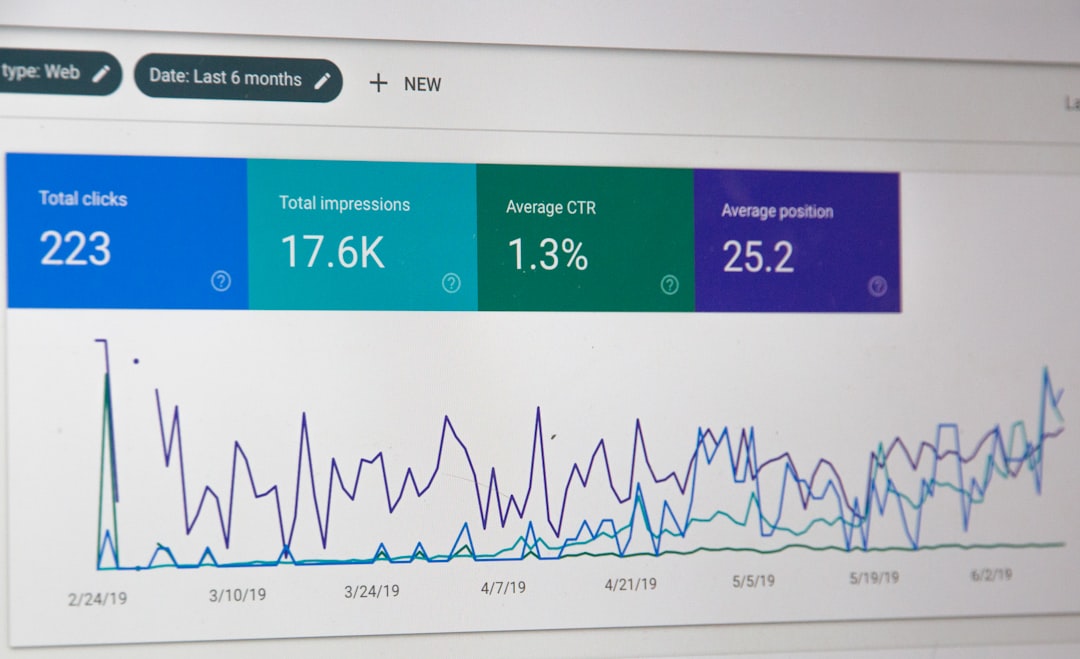
Fronius places strong emphasis on data visualization and reporting, which makes it especially appealing for commercial system owners who require documented performance insights for financial tracking.
6. Emporia Vue with Solar Integration
Best for: Budget-friendly home energy monitoring
Emporia Vue is another whole-home energy monitor that integrates with solar systems. While it does not offer panel-level solar data, it delivers accurate production and consumption readings at a more affordable price point.
Advantages include:
- Cost-effective hardware
- Circuit-level monitoring
- Real-time and historical data
- Detailed savings estimates
This solution is particularly attractive for homeowners who want actionable insights without investing in premium ecosystem-specific platforms.
Comparison Chart of Solar Monitoring Tools
| Tool | Panel-Level Monitoring | Consumption Tracking | Battery Monitoring | Best For |
|---|---|---|---|---|
| SolarEdge Monitoring | Yes | Optional | Yes | SolarEdge systems |
| Enphase Enlighten | Yes | Yes (with hardware) | Yes | Microinverter systems |
| Sense Energy Monitor | No | Yes | No | Whole-home insights |
| Tesla App | No | Yes | Yes | Tesla ecosystem |
| Fronius Solar.web | Limited | Optional | Yes | Commercial analysis |
| Emporia Vue | No | Yes | No | Budget monitoring |
Why Solar Monitoring Matters
Solar monitoring tools do more than provide interesting charts. They help owners:
- Verify system performance
- Detect malfunctions early
- Track financial return on investment
- Optimize energy habits
Without monitoring, underperforming panels or inverter problems could go unnoticed for months, resulting in lost savings. Real-time alerts help prevent this by notifying users immediately when issues arise.
Additionally, tracking consumption alongside production empowers users to shift energy usage to sunny hours, further increasing savings.
Frequently Asked Questions (FAQ)
1. Are solar monitoring tools necessary?
While not strictly required for a solar system to function, monitoring tools are highly recommended. They ensure the system operates efficiently and help maximize long-term savings.
2. Can monitoring tools reduce electricity bills?
Yes. By showing when and how energy is used, these tools help homeowners adjust consumption patterns to reduce reliance on grid power, especially during peak rate times.
3. Do all systems support panel-level monitoring?
No. Panel-level monitoring typically requires microinverters or power optimizers. Traditional string inverter systems may only provide system-wide data.
4. Is professional installation required?
Inverter-based monitoring platforms are usually installed during system setup. Standalone monitors like Sense or Emporia may require installation inside the electrical panel, often by a qualified electrician.
5. Can these tools track battery storage?
Some platforms, such as Tesla, SolarEdge, Enphase, and Fronius, include integrated battery monitoring. Others focus solely on energy usage and solar production.
6. What is the best tool overall?
The best option depends on system compatibility and user goals. For panel-level precision, SolarEdge and Enphase excel. For whole-home efficiency insights, Sense and Emporia are strong contenders.
By investing in the right solar monitoring tool, homeowners and businesses gain visibility, control, and confidence in their renewable energy systems. Real-time data, accurate savings estimates, and maintenance alerts combine to protect the investment and maximize financial and environmental returns.