
Complex user journeys are everywhere. Booking flights. Filing taxes. Setting up software. These flows have many steps. Many decisions. Many chances to quit. When users feel lost, they leave. Good UX redesign makes the hard feel easy. It turns confusion into clarity. And it does that with structure, not magic.
TLDR: Complex user journeys feel overwhelming, but smart frameworks make redesign simple. Customer Journey Mapping, Jobs To Be Done, Design Sprints, and Lean UX each offer clear ways to reduce friction. They help teams focus on user goals, remove noise, and test fast. Use the right framework for your context, and complexity becomes clarity.
Let’s explore four UX redesign frameworks that help simplify even the messiest experiences. Each one has a different strength. Each one gives you practical steps. And none of them require a 200-slide deck to get started.
1. Customer Journey Mapping
If your product feels messy, start here.
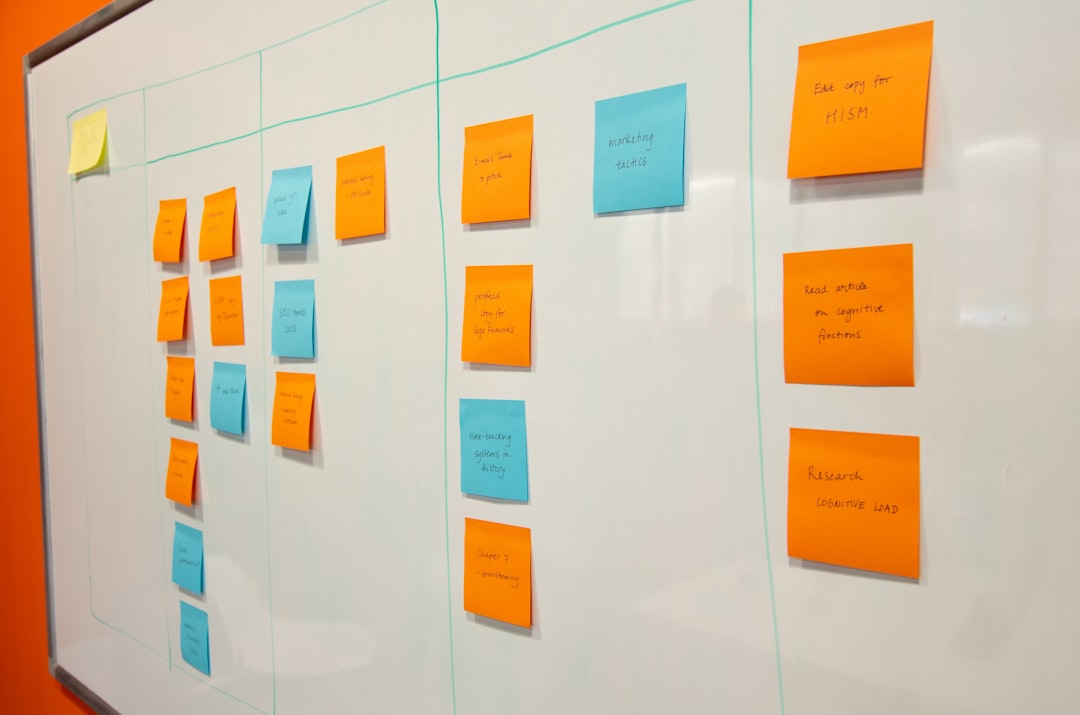
Customer Journey Mapping helps you see the full story. Not just screens. Not just buttons. But the entire experience from start to finish.
You map:
- User goals
- Steps they take
- Thoughts they have
- Emotions they feel
- Pain points they hit
This framework is powerful because it forces empathy. You stop designing around features. You start designing around feelings.
How it simplifies complex journeys:
- It reveals unnecessary steps.
- It exposes emotional frustration points.
- It uncovers gaps between channels.
- It shows where users drop off.
For example, a bank app might think the problem is form design. But the journey map reveals anxiety about document requirements before users even log in. That insight changes everything.
When to use it:
- During major redesigns
- When churn is high
- When multiple teams own different touchpoints
- When experience spans web, mobile, and offline
Journey mapping brings order to chaos. It makes invisible friction visible.
2. Jobs To Be Done (JTBD)
Users don’t buy products. They “hire” them.
The Jobs To Be Done framework focuses on the real task users want completed. Not demographics. Not personas. Just progress.
It asks one key question:
“What job is the user trying to get done?”
That question changes redesign decisions dramatically.
Imagine a project management tool. The assumed job might be “organize tasks.” But interviews reveal the real job: “avoid awkward status meetings.” That insight reshapes priorities.
How to apply JTBD:
- Interview real users.
- Identify the core outcome they want.
- Break the job into steps.
- Remove anything that does not serve the job.

How it simplifies complex journeys:
- It cuts feature bloat.
- It aligns teams around outcomes.
- It prevents designing for edge cases first.
- It reduces unnecessary decision points.
Complex journeys often exist because teams keep adding features. JTBD acts like a filter. If it does not support the main job, it goes.
When to use it:
- When product feels overloaded
- When feature creep is strong
- When users seem disengaged
- When positioning lacks clarity
JTBD sharpens focus. And focus simplifies everything.
3. Design Sprints
Sometimes the problem isn’t clarity. It’s speed.
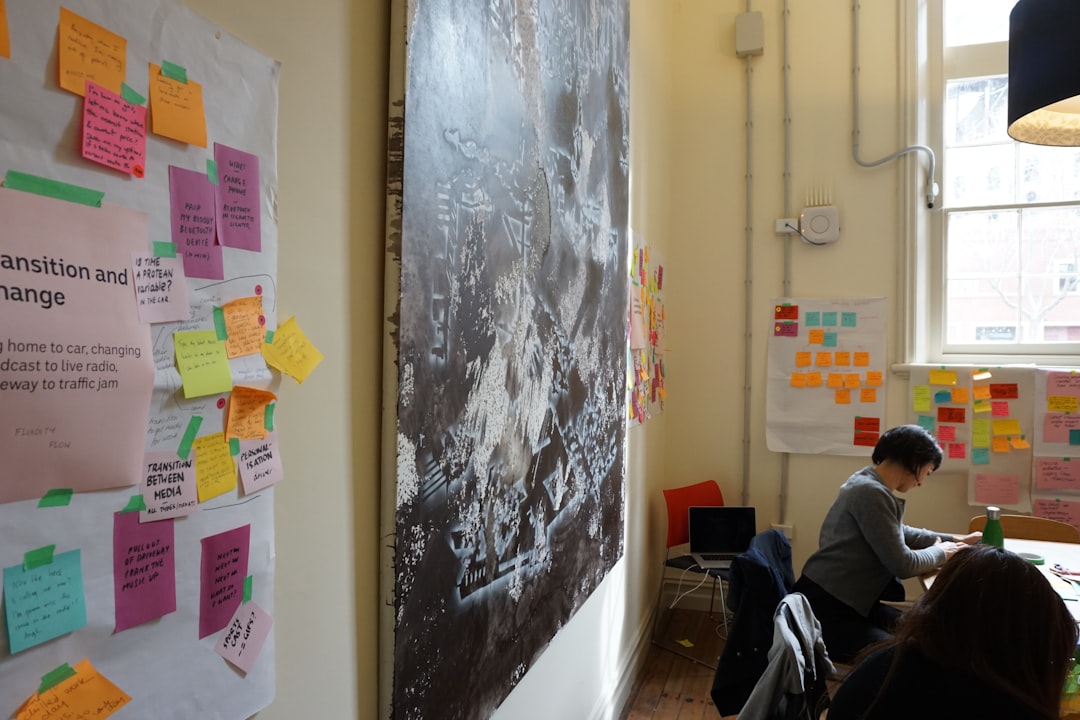
Design Sprints, popularized by Google Ventures, compress months of debate into five days. They are structured. Fast. Intense. And practical.
The typical flow:
- Day 1: Understand the problem.
- Day 2: Sketch solutions.
- Day 3: Decide what to prototype.
- Day 4: Build a testable prototype.
- Day 5: Test with real users.
Why does this simplify complex journeys?
Because arguing in meetings adds complexity. Testing removes it.
How it simplifies complex journeys:
- It forces quick prioritization.
- It exposes flawed assumptions early.
- It validates ideas before full development.
- It aligns stakeholders fast.
Instead of debating a 25-step onboarding flow, you prototype it. Then watch five users struggle. The solution becomes obvious.
When to use it:
- When launching new features
- When redesign requires executive buy-in
- When team alignment is weak
- When you need clarity fast
Design Sprints reduce complexity through action. Not theory.
4. Lean UX
Lean UX is about continuous learning.
It removes heavy documentation. It favors experiments. It values outcomes over output.
The core loop is simple:
- State assumptions.
- Create a hypothesis.
- Build a small experiment.
- Measure results.
- Learn and iterate.
That’s it.
Instead of redesigning an entire journey at once, you fix one friction point at a time. Test. Improve. Repeat.
How it simplifies complex journeys:
- It prevents massive risky redesigns.
- It promotes incremental clarity.
- It relies on real user feedback.
- It reduces wasted effort.
For example, if checkout abandonment is high, Lean UX would test:
- A shorter form
- A progress bar
- Guest checkout
- Clearer shipping costs
Each experiment reduces friction step by step.
When to use it:
- In fast-moving startups
- In agile product teams
- When data is available
- When continuous improvement is the goal
Lean UX keeps things small. Small changes feel manageable. And manageable changes compound into big simplicity.
Quick Comparison Chart
| Framework | Best For | Main Strength | Speed | Risk Level |
|---|---|---|---|---|
| Customer Journey Mapping | End-to-end redesign | Emotional and process clarity | Medium | Low |
| Jobs To Be Done | Feature overload | Sharp focus on user goals | Medium | Low |
| Design Sprint | Big decisions fast | Rapid validation | Fast | Medium |
| Lean UX | Ongoing optimization | Continuous experimentation | Very fast | Low |
How to Choose the Right Framework
You don’t need all four at once.
Ask yourself:
- Is the problem emotional or structural? Use Journey Mapping.
- Is the product overloaded? Use JTBD.
- Do we need alignment now? Use a Design Sprint.
- Do we want steady improvement? Use Lean UX.
Sometimes you combine them.
For example:
- Start with Journey Mapping.
- Define core Jobs To Be Done.
- Run a Design Sprint for key flows.
- Improve continuously with Lean UX.
Frameworks are tools. Not rules.
Common Mistakes to Avoid
Even the best frameworks fail when applied poorly.
Mistake 1: Skipping user input.
Frameworks are not guessing games. Talk to real people.
Mistake 2: Overcomplicating the framework.
Keep it lightweight. The goal is simplicity.
Mistake 3: Redesigning everything at once.
Start with the highest friction area.
Mistake 4: Ignoring emotional friction.
Confusion and anxiety are part of the journey too.
Making Complex Feel Simple
Complex journeys are not bad by nature. Some tasks are just complicated. Buying insurance. Applying for loans. Managing enterprise software.
The goal is not to remove necessary steps.
The goal is to remove:
- Uncertainty
- Redundancy
- Noise
- Friction
Great UX redesign makes users feel guided. Confident. In control.
And that happens when teams stop reacting randomly and start working within clear frameworks.
Customer Journey Mapping gives you the big picture.
Jobs To Be Done gives you focus.
Design Sprints give you speed.
Lean UX gives you momentum.
Use them wisely. Keep things simple. Test often. And remember: if the journey feels confusing to you, it feels twice as confusing to your users.
Simplicity is not accidental. It is designed.