
Few industries illustrate the intersection of heritage, craftsmanship, and innovation as compellingly as the textile sector. In particular, the British wool industry—rooted in centuries of tradition yet increasingly aligned with 21st-century technologies—has become a focal point of textile advancement. The expression “The English Understand Wool” transcends mere idiom; it encapsulates a deep historical and technological bond between the United Kingdom and its most iconic natural fiber.
TLDR: Wool continues to be a linchpin of British textile heritage, but modern innovations—from digital fiber tracking to sustainable processing—are reinventing the industry for a global market. From smart machinery to biodegradable yarns, the fusion of tradition and technology ensures that wool remains relevant in both fashion and functional applications. The UK’s commitment to quality, traceability, and sustainability keeps it at the forefront of textile innovation. This article explores how technology is revolutionizing wool from the farm to the fabric roll.
The Historical Backbone of British Wool
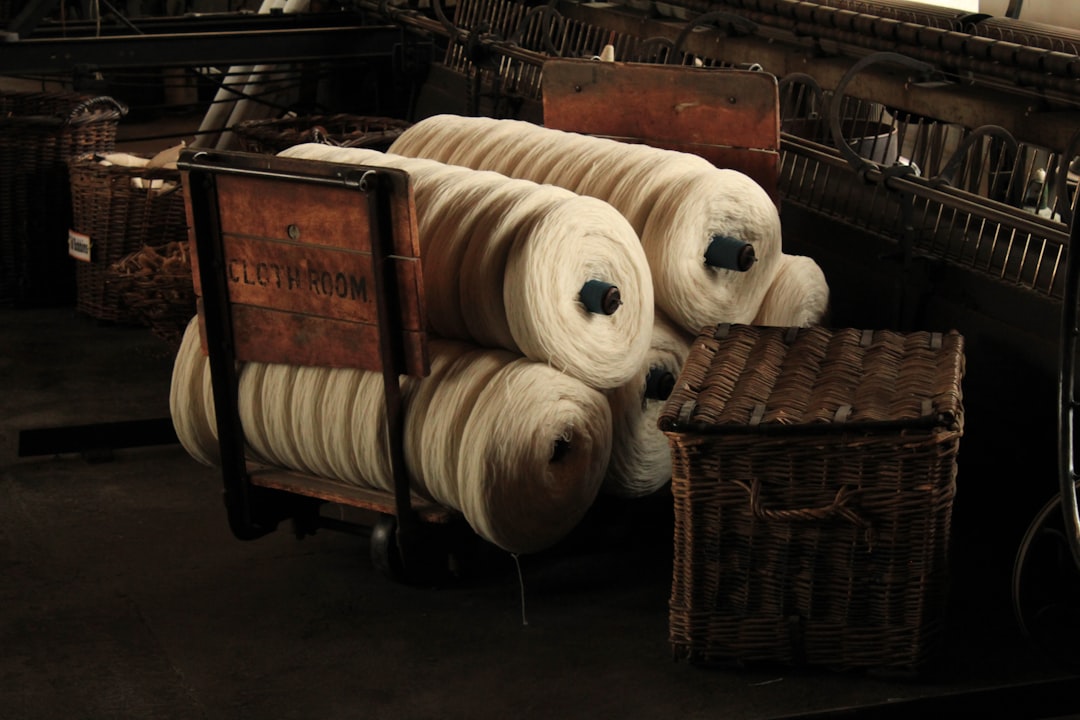
The United Kingdom has a storied relationship with wool dating back over 1,000 years. From the time of the medieval wool trade—where English wool was highly prized across Europe—to the Industrial Revolution, which saw the mechanization of spinning and weaving, the sector has always adapted to prevailing technological winds.
Over 60 native sheep breeds inhabit the British Isles, more than any other country. Each breed offers unique wool characteristics—from the softness of Merino to the durability of Herdwick. This biodiversity positions the UK as a key innovator in fine-tuning wool for diverse contemporary uses, but it also introduces complexity in supply chain management—an area where modern technology now plays a pivotal role.
Modernizing an Ancient Craft: Key Technological Advances
Innovations in textile science and process engineering have transformed wool production in recent years. Below are several technologies revolutionizing the industry:
- Smart Sorting and Grading: Artificial intelligence (AI) and machine vision systems are used to automate wool sorting by staple length, micron count, and color, improving throughput and consistency.
- Digital Fiber Tracking: With blockchain and RFID tagging, every bale of wool can be tracked from the sheep to the showroom. This ensures product authentication and satisfies growing consumer demand for traceability and sustainability.
- Sustainable Processing Technologies: Enzymatic wool scouring and closed-loop dyeing systems reduce the environmental footprint of wool processing, conserving water and decreasing the use of harmful chemicals.
- 3D Knitting and Loom Automation: Advanced machinery enables the creation of seamless garments and complex textile architectures with minimal waste.
These developments reflect a sector mindful of its environmental impact while eager to compete in a high-tech, globalized economy.
Sustainability and the New Consumer Ethic
Consumer values are shifting, and so is the textile industry. In wool’s case, sustainability is not a trend—it is an inherent quality waiting to be fully emphasized. Wool is biodegradable, insulating, breathable, and importantly, renewable. However, traditional methods of wool production can be resource-intensive. New technologies aim to tilt this balance.
Examples include:
- Waterless dyeing technologies that reduce pollution and water usage, vital in a period of increasing climate insecurity.
- Eco-friendly biopolymers used in wool coating to reduce shrinkage without synthetic chemicals.
- Regenerative farming programs monitored by drones and satellite imaging, ensuring that grazing patterns support biodiversity and soil health.
The British Wool Marketing Board (BWMB) has also issued digital passports for farmers who meet strict sustainability and animal welfare standards. These credentials integrate directly into retail data systems, allowing consumers to scan QR codes for origin stories and environmental scores of the garments they buy.
Smart Textiles and Wool’s Role in Wearable Technology
Wool is no longer confined to heritage sweaters and bespoke suits. It’s being re-engineered as a functional material for wearable technology, sportswear, and even military gear. The natural crimp in wool fibers provides micro air pockets, enabling regulating properties invaluable in performance apparel.
Recent breakthroughs in conductivity have allowed wool to be blended with metallic nanofibers without damaging its natural elasticity or insulation. Applications include:
- Temperature-sensitive fabrics for adaptive thermal regulation in outdoor gear.
- Biomechanical sensing garments for monitoring posture, stress levels, and respiratory rates in health and fitness uses.
- Signal-responsive textiles used in military and emergency services for camouflage and identification systems.
Wool’s innate benefits—like odor resistance and moisture wicking—make it especially well-suited to such applications, offering a bio-based alternative to synthetic performance fibers.
Global Marketplace and Competitive Edge
The global wool market continues to expand, but faces stiff competition from synthetic fibers and other natural options like cotton and bamboo. What sets British wool apart is its premium positioning underpinned by both tradition and scientific validation.
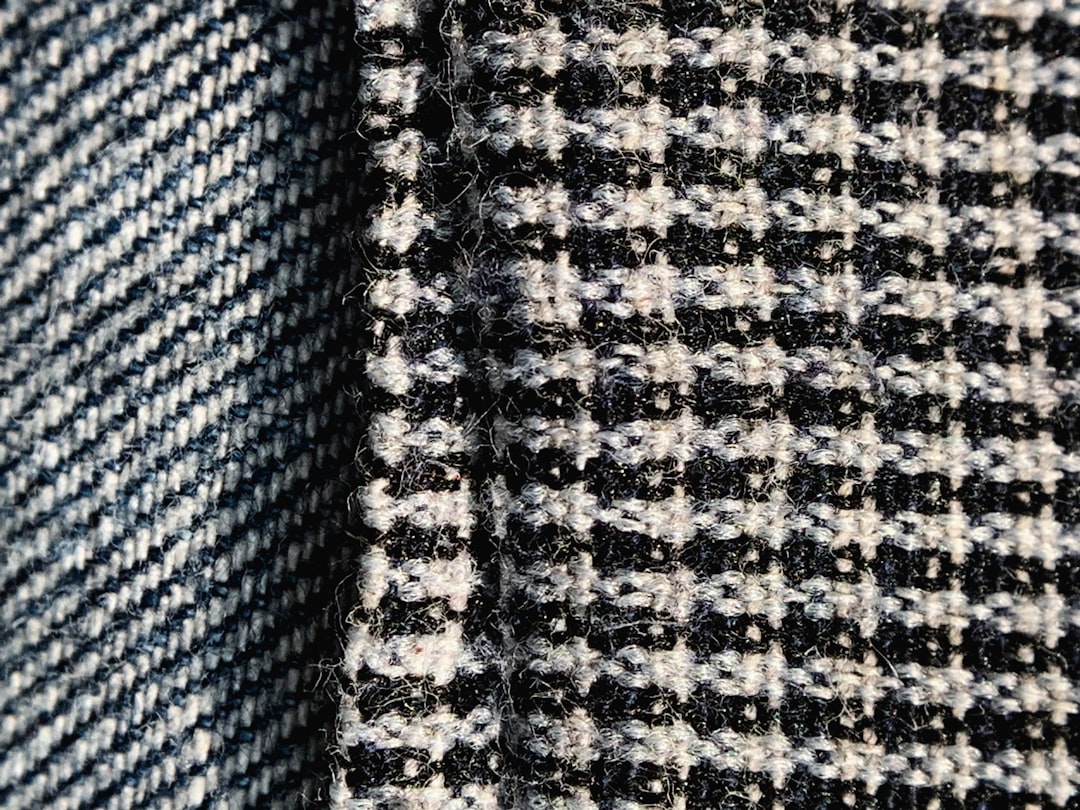
Advanced testing and quality assurance systems employed throughout the UK’s wool infrastructure ensure that metrics like fiber diameter, tensile strength, and elasticity are routinely measured to meet precise commercial specifications. Initiatives like the Wool Testing Authority Europe (WTAE) have standardized protocols used by hundreds of manufacturers, designers, and exporters.
Strengthening the sector’s global presence, the Campaign for Wool—spearheaded by King Charles III—continues to highlight the environmental and economic advantages of wool across international markets. These efforts dovetail with digital product platforms that allow major retailers to configure and source woolen products in real-time, responsive to demand trends and logistics considerations.
Challenges and The Road Ahead
Despite substantial progress, the British wool industry still faces challenges including dwindling domestic manufacturing capacity, market fluctuations, and labor shortages in skilled trades. However, coordinated investment in training, infrastructure, and ethical technology can mitigate these issues.
Emerging collaborations between universities, research labs, and mills—particularly in Yorkshire, still a cornerstone of fine woolen production—are producing pilot programs in AI-based quality inspection, hybrid wool-polymer materials, and cross-industry textile applications (like acoustic insulation and medical-grade bandaging).
Futuristic visions include:
- Self-healing woolen fabrics
- Climate-responsive smart coats with embedded circuitry
- Hyperlocal wool supply networks leveraging AI forecasting
The convergence of academia, commerce, and culture is critical in realizing these pathways.
Conclusion
It remains true: the English do understand wool—not just as a raw material, but as a symbol of adaptive craftsmanship powered by new technologies. From pasture monitoring drones to lab-tested fashion runways, the British textile sector is proving that old materials can power new ideas. As sustainability, digital transformation, and transparent sourcing continue to shape global consumer expectations, wool—eternally renewable, inherently technical, and now digitally traceable—stands not at a crossroads, but at the forefront of textile innovation.
In this blend of the classic with the cutting edge, the UK retains a special position in helping to define what the future of fabric looks like.