
The surge in global e-commerce has been both a blessing and a burden for merchants. On one hand, platforms like Amazon have enabled sellers to reach broader markets, grow their brands, and increase profits. On the other, it has also exposed them to rising threats — most notably, the proliferation of counterfeit products. To tackle this issue, Amazon introduced its Transparency program, offering manufacturers and brands a potent tool for authentication and tracking.
TL;DR
The Amazon Transparency program was introduced as a solution to the growing problem of counterfeit products being sold on the platform. By assigning unique alphanumeric codes to individual products, merchants were able to verify authenticity at a granular level. This not only protected consumers but also helped reinforce brand credibility and reduce returns. Brands that adopted Transparency saw major reductions in counterfeit complaints and improved customer trust.
Understanding the Problem of Counterfeit Goods
The counterfeit market is massive, costing the global economy an estimated $500 billion annually. On platforms like Amazon, this posed a particular challenge as third-party sellers could easily list imitation items alongside authentic ones. The issue affected industries ranging from electronics to beauty and wellness products.
Brands faced severe consequences:
- Erosion of brand trust as buyers received fake or low-quality products.
- Increased return rates and negative reviews, impacting seller ratings.
- Legal liabilities and difficulties in enforcing intellectual property rights.
For buyers, the experience of receiving a counterfeit product was frustrating and disheartening. It also introduced health and safety risks for categories like supplements, cosmetics, and medical devices.
Amazon’s Response: The Transparency Program
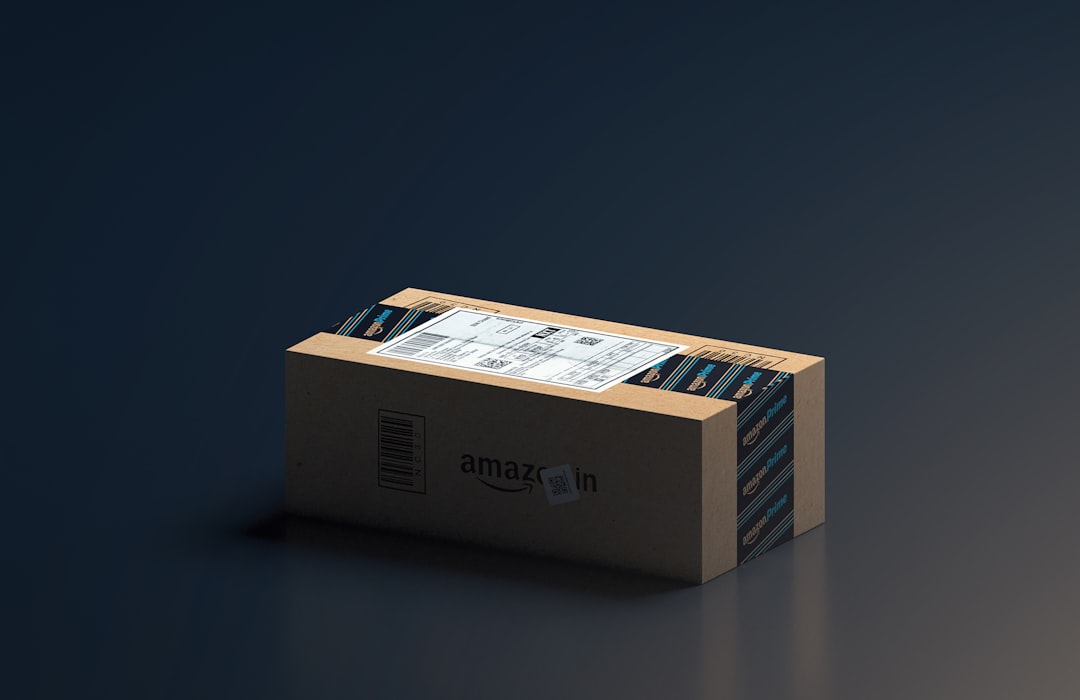
Launched in 2017, the Amazon Transparency program was designed to directly address counterfeit issues by adding a layer of verification to individual product units. Unlike traditional anti-counterfeit methods that tag lots or batches, Transparency focused on tracking every single item sold on Amazon.
Here’s how the program works:
- A brand enrolls in the program and applies unique Transparency codes to each unit it manufactures.
- These codes are scanned by Amazon before products leave warehouses, ensuring only authentic items are shipped.
- Buyers can also scan the codes using the Amazon app to verify authenticity.
Real-world Impact on Merchants
For many merchants, Transparency became a game-changer. Prior to the program, many brands were overwhelmed by the sheer volume of counterfeits circulating in Amazon’s ecosystem. Legal takedowns and cease-and-desist letters offered some temporary relief, but the effort was labor-intensive and rarely effective long-term.
Once enrolled in Transparency, merchants observed measurable improvements:
- Reduction in counterfeit claims: Some brands reported up to a 90% decrease in counterfeit-related customer complaints within the first six months.
- Controlled supply chain: Transparency forced unauthorized third-party sellers out of the ecosystem, since only products with valid codes could be listed and sold.
- Improved customer trust: Brands saw a rise in repeat purchases as buyers felt more secure purchasing verified, authentic products.
One fashion accessories brand noted that their return rate, which had climbed to 12% due to customers receiving imitation products, dropped to under 2% after joining the program.
Integrating Transparency into Product Lifecycle
Adopting Transparency wasn’t just about slapping barcodes on boxes—it required a shift in operational workflow. Brands needed to integrate unique code printing into their manufacturing process and update back-end systems to track inventory with a higher level of granularity.
Steps typically involved in implementation include:
- Registering eligible products with Amazon and sharing SKU details.
- Integrating Transparency API into existing enterprise resource planning (ERP) systems for seamless code generation and linking.
- Training warehouse and logistics teams on code application and scanning.
While there was a learning curve, many brands found that the long-term benefits justified the initial investment. Several third-party logistics companies began offering services to assist brands in encoding and managing these Transparency codes.
Consumer Empowerment Through Code Scanning
Another key component of Transparency’s success was its customer-facing feature. Once a buyer received a product, they could scan the Transparency code using the Amazon app. They would instantly see a confirmation of the product’s authenticity, as well as additional data such as manufacturing date, place of origin, and sustainability information.
This not only empowered consumers to demand authenticity but also allowed brands to build deeper relationships with their clientele through transparency and education.
Challenges Faced During Adoption
Despite its advantages, some merchants hesitated to enroll in the program. Common barriers included:
- Costs associated with code generation and printing infrastructure.
- Operational complexity for small and medium brands without streamlined logistics systems.
- Lack of awareness about how Transparency differed from other programs like Amazon Brand Registry.
However, as counterfeit issues continued growing, many of those initially hesitant brands eventually joined Transparency as part of their long-term anti-fraud strategy.
Complementing Other Amazon Protection Programs
Transparency also works synergistically with other anti-counterfeit initiatives on Amazon, such as:
- Amazon Brand Registry: Provides protection for trademarks and empowers brand owners to report violations.
- Project Zero: Grants brands the ability to remove counterfeit listings directly without needing to contact Amazon support.
- Serialization services: Utilized by Amazon’s fulfillment centers to track inventory by unit.
Together, these programs create a comprehensive framework to support both major brands and rising merchants alike.
Looking Ahead: The Future of Anti-Counterfeiting
The success of programs like Transparency signals a larger trend in e-commerce: the rise of traceability and product-level accountability. As consumers become more ethically conscious and technologically savvy, the demand for verifiable authenticity will only grow.
Emerging technologies such as blockchain, NFC tags, and AI-driven product recognition may soon complement or even supersede current approaches. Still, Amazon Transparency offers a rock-solid foundation that has already proven itself effective in one of the most scale-driven marketplaces in the world.
Final Thoughts
The battle against counterfeit products is far from over. However, with strategic tools like Amazon Transparency, merchants have been given a lifeline — one that not only protects their intellectual property but also fosters long-term consumer trust. By implementing Transparency codes diligently, brands can create an environment of authenticity and accountability while ensuring that each buyer receives the genuine product they were promised.
In an age of digital deception, the value of trust cannot be overstated — and with the right systems in place, it becomes a lasting competitive advantage.