
Marketing teams should treat templates, ad creatives, and email swipes as testable assets, not finished work. A template gives speed, but testing gives proof. The best gains usually come from small changes made with discipline: a sharper headline, a clearer button, a better offer, or a cleaner landing page.
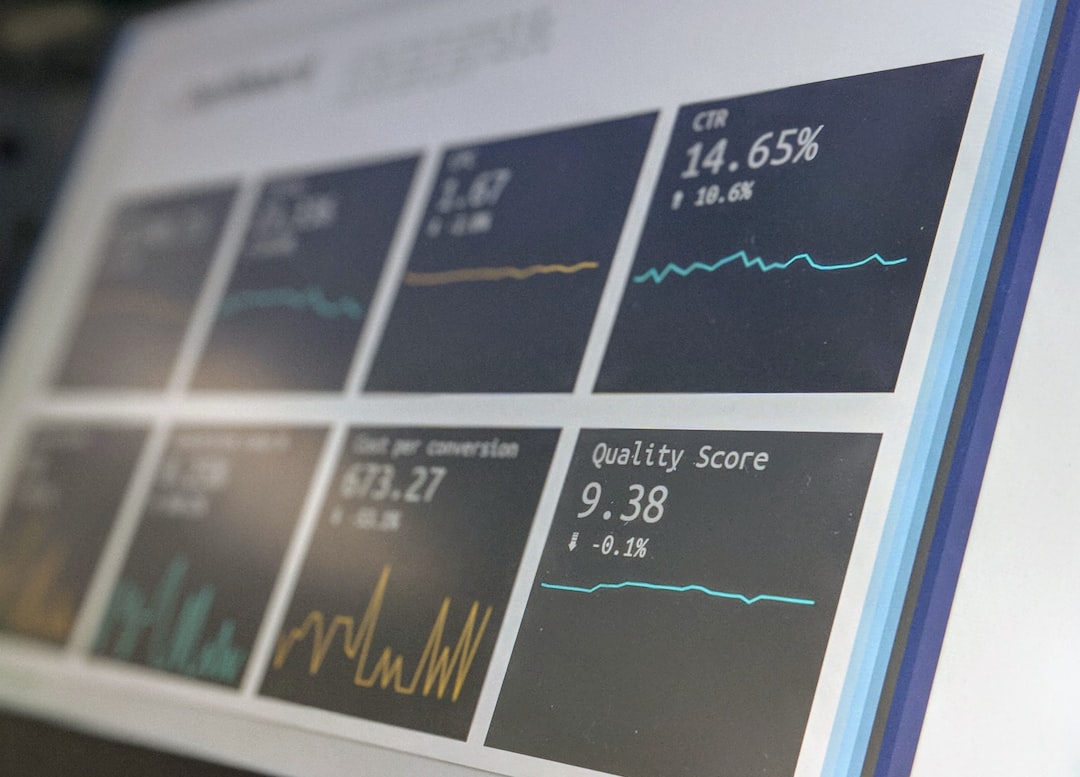
TLDR: Templates help teams launch faster, while A/B testing shows which version actually performs better. For example, a coaching business might test two Facebook ad templates and see Version B raise click-through rate from 1.8% to 2.6%, then test the landing page and lift signups by another 14%. Email swipes work best when treated as starting points, not copy-paste shortcuts. The strongest marketing system combines templates, creative variation, tracking, and weekly testing.
Why Templates Improve Marketing Speed
Templates reduce the blank-page problem. A marketer does not need to rebuild every ad, web page, or email from scratch. Instead, the team starts with a structure that already has the right sections, spacing, and flow.
This matters because speed affects learning. A team that creates five ad variations in an afternoon can learn faster than a team that spends two weeks polishing one design. The polished ad may still fail. That part stings, but it happens often.
Useful marketing templates often include:
- Ad templates for social posts, display ads, and video thumbnails.
- Website templates for landing pages, product pages, and lead capture pages.
- Email swipes for welcome sequences, promotions, cart recovery, and reactivation campaigns.
- Testing checklists for headlines, offers, calls to action, images, and layouts.
The goal is not to make every campaign look the same. The goal is to keep production steady while the team tests what the audience prefers.
Ad Templates: Faster Creative, Better Testing
Ad templates are most useful when they create repeatable creative patterns. A team can test the same offer across different hooks, images, and formats. This keeps the test clean enough to read.
For example, an ecommerce brand might build three versions of a product ad:
- Version A: Product image, discount headline, “Shop Now” button.
- Version B: Customer review, lifestyle image, “See Why Customers Love It” button.
- Version C: Problem-focused hook, product solution, “Get Yours Today” button.
Each version should change one main idea. If the image, headline, offer, and audience all change at once, the team cannot tell what caused the result. Honestly, it feels like many ad platforms make this harder than it should be; one mislabeled campaign can waste an extra 20 minutes and muddy the report.
Website Templates: Where Clicks Become Leads
An ad gets attention. The landing page earns the conversion. That is why website templates should be built around clarity, not decoration.
A strong landing page template usually contains:
- A clear headline that matches the ad promise.
- A short supporting statement that explains the value.
- One primary call to action above the fold.
- Proof elements such as reviews, ratings, logos, or results.
- Simple sections that answer objections.
- A fast form with only necessary fields.
The landing page should not force visitors to think too hard. If an ad says “Get a free pricing guide,” the page should make that guide obvious. A mismatch between ad and page can kill conversions fast.
Testing website templates can reveal surprising wins. A software company may test a long page against a shorter page. The shorter page could raise demo bookings from 4.2% to 5.1%. That looks small, but on 20,000 monthly visits, it can mean 180 extra demo requests.
Email Swipes: Useful, but Not Magic
Email swipes are prewritten email examples. They help teams write faster, especially for common campaigns. Still, copied emails often sound flat. Subscribers can smell generic copy.
The best teams treat swipes as frameworks. They keep the structure and rewrite the message for the product, audience, and offer.
A strong email swipe can provide:
- A subject line pattern.
- An opening hook.
- A story or problem setup.
- A benefit-focused offer.
- A clear call to action.
- A deadline or reason to act.
For instance, a cart recovery swipe may start with, “Still thinking it over?” That can work. But a pet supply company might improve it with, “Still need the calming bed for Bella?” Specific copy often beats broad copy because it feels more personal.
How A/B Testing Fits the System
A/B testing compares two versions of one asset. Version A is the control. Version B is the variation. The team sends traffic to both and measures the result.
Common items to test include:
- Ad headlines
- Hero images
- Calls to action
- Email subject lines
- Landing page length
- Lead form fields
- Offer framing
The test should have one main metric. For ads, that may be click-through rate or cost per lead. For landing pages, it may be conversion rate. For email, it may be open rate, click rate, or revenue per recipient.
Testing too many items at once creates noise. A team may think the new button color worked, when the real reason was a stronger offer. Clean testing saves arguments later.

A Simple Workflow for Better Results
A practical process keeps testing from turning into chaos. The team should follow a short cycle each week.
- Pick one goal. Examples include more leads, more purchases, or lower cost per acquisition.
- Choose one asset. The asset may be an ad, landing page, or email.
- Create one clear variation. Change the headline, image, offer, or CTA.
- Run the test long enough. Tiny samples can lie.
- Review the data. The team should check both conversion rate and revenue quality.
- Keep the winner. Then test the next idea.
It drives teams crazy when tools show “winning” labels too early. A version may look better after 200 visits, then lose after 2,000. Patience protects the budget.
What Good Performance Looks Like
The right benchmark depends on the channel and market. Still, patterns can guide choices. If an email has a strong open rate but weak clicks, the subject line did its job while the body copy failed. If an ad has many clicks but poor leads, the creative may be attracting the wrong audience. If a landing page has many scrolls but few form fills, the offer may lack urgency.
Teams should track these numbers together:
- Click-through rate: Shows if the message earns interest.
- Conversion rate: Shows if the page or email gets action.
- Cost per lead: Shows how expensive growth is.
- Revenue per visitor: Shows whether traffic quality is strong.
- Unsubscribe rate: Shows whether email pressure is too high.
Common Mistakes to Avoid
Many teams misuse templates because they stop thinking after downloading them. That is where performance drops.
- Copying swipes word for word: This can make the brand sound fake.
- Testing without a hypothesis: Random changes create random lessons.
- Ending tests too soon: Early results often shift.
- Ignoring message match: Ads, pages, and emails should feel connected.
- Chasing vanity metrics: Likes matter less than leads, sales, and retention.
The winning approach is simple. Templates create speed. Ad creatives create attention. Email swipes create structure. A/B testing turns all of it into measurable improvement.
FAQ
What is the main benefit of using marketing templates?
Marketing templates help teams create campaigns faster. They also make testing easier because each version can follow a consistent structure.
Are email swipes safe to use?
Yes, if they are rewritten for the audience and offer. A swipe should guide the message, not replace original thinking.
How long should an A/B test run?
It depends on traffic volume and the size of the expected change. Many teams run tests for at least one full buying cycle and avoid judging results from tiny samples.
What should be tested first?
The team should test the asset closest to the biggest leak. If click rates are poor, ads may need work. If clicks are strong but sales are weak, the landing page or offer should be tested.
Can small businesses use A/B testing?
Yes. Small businesses can test subject lines, landing page headlines, button text, and ad images. Even simple tests can lower wasted spend and improve lead quality.