
Hospitality is a people-centered business, but modern hospitality management is much more than welcoming guests with a smile. It combines operations, finance, technology, marketing, compliance, and leadership to create consistent service experiences across hotels, resorts, restaurants, event venues, serviced apartments, cruise lines, and tourism businesses.
TLDR: Hospitality management is the discipline of running guest-focused businesses profitably and efficiently. Career paths range from front office and food and beverage management to revenue strategy, events, and hotel technology. For example, a 120-room hotel that improves occupancy from 68% to 74% through better pricing and channel management can significantly increase monthly room revenue without adding new rooms. The sector is becoming more data-driven, with software, automation, sustainability, and personalized guest service shaping its future.
What Hospitality Management Means
Hospitality management refers to the planning, coordination, and supervision of services that support guest experiences. In practical terms, it means making sure the right people, processes, facilities, and technologies work together every day. A hotel guest may notice a clean room, a quick check-in, and a helpful concierge; behind those moments are staffing schedules, procurement decisions, maintenance systems, revenue forecasts, and service standards.
The field is broad because hospitality businesses operate around the clock and serve customers with high expectations. Managers must balance guest satisfaction with cost control, employee performance, safety, brand reputation, and profitability. This makes the profession demanding, but also highly transferable across global markets.
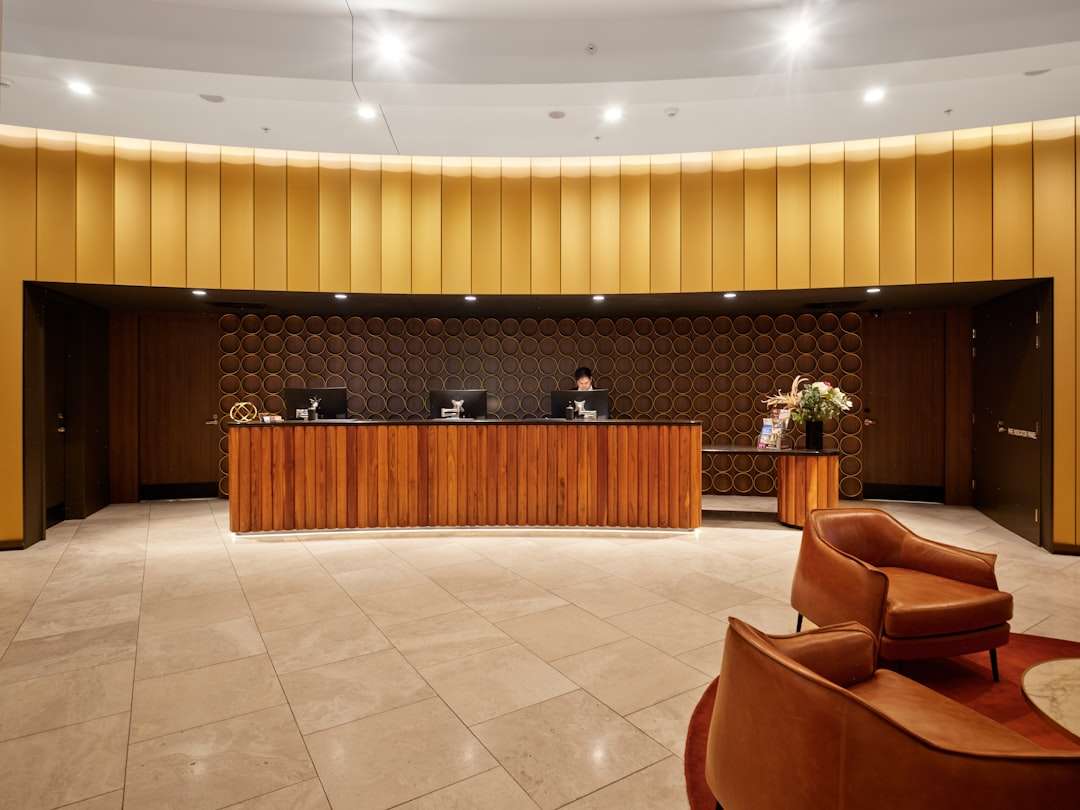
Core Responsibilities of Hospitality Managers
While duties vary by business size and segment, most hospitality managers are responsible for several core areas:
- Guest experience: Monitoring service quality, resolving complaints, and ensuring that standards are consistently met.
- Operations: Coordinating departments such as front office, housekeeping, maintenance, food and beverage, and security.
- Financial performance: Managing budgets, controlling costs, reviewing profit and loss reports, and improving revenue.
- People management: Hiring, training, scheduling, motivating, and retaining staff.
- Sales and marketing: Supporting promotions, partnerships, group bookings, events, and online reputation management.
- Compliance and risk: Ensuring health, safety, labor, licensing, and data protection requirements are followed.
Success depends on being both analytical and service-oriented. A strong manager can interpret occupancy reports in the morning, coach a team member in the afternoon, and handle an unhappy guest in the evening with professionalism.
Career Paths in Hospitality Management
Hospitality offers multiple career routes, many of which allow employees to start in operational roles and progress into leadership. Formal education can help, but practical experience remains highly valued.
1. Hotel and Resort Management
This is one of the most recognizable paths. Professionals may begin as front desk agents, reservations coordinators, or housekeeping supervisors before moving into roles such as front office manager, rooms division manager, operations manager, and eventually general manager. Senior leaders are responsible for property performance, brand standards, owner relations, and long-term strategy.
2. Food and Beverage Management
Restaurants, bars, banquet departments, and catering operations need managers who understand service flow, menu engineering, inventory, labor costs, and guest expectations. A food and beverage manager must often make quick decisions while maintaining quality and profitability. This path can lead to executive roles in hotel groups, restaurant chains, or independent hospitality companies.
3. Event and Conference Management
Event professionals plan and execute meetings, weddings, exhibitions, corporate retreats, and large social functions. Their work involves budgeting, vendor coordination, room setup, technology, catering, contracts, and client communication. Attention to detail is essential because small errors can affect hundreds or thousands of attendees.
4. Revenue Management
Revenue managers use data to decide pricing, availability, promotions, and distribution strategy. Their work is especially important in hotels, where unsold rooms cannot be stored and sold later. By analyzing demand patterns, competitor rates, booking windows, and market events, revenue managers help maximize revenue per available room and total profitability.
5. Hospitality Technology and Systems
As the industry becomes more digital, there is growing demand for specialists who understand both operations and software. Roles may include systems manager, digital transformation lead, distribution manager, CRM specialist, or hospitality technology consultant.

Important Software in Hospitality Management
Software has become a central part of professional hospitality operations. The right systems reduce manual work, improve accuracy, and give managers better visibility into performance.
- Property Management System: Often called a PMS, this is the operational backbone of many hotels. It manages reservations, check-ins, room assignments, billing, guest profiles, and reporting.
- Channel Manager: This tool connects room inventory and rates to online travel agencies, direct booking engines, and other sales channels, helping prevent overbookings and rate inconsistencies.
- Revenue Management System: This software analyzes demand, competitor pricing, historical data, and booking trends to recommend optimal rates.
- Customer Relationship Management: CRM platforms help businesses track guest preferences, communication history, loyalty activity, and targeted marketing campaigns.
- Point of Sale System: Used in restaurants, bars, spas, and retail outlets, POS systems process transactions and provide sales and inventory data.
- Housekeeping and Maintenance Tools: These systems assign tasks, update room status, track repairs, and improve coordination between operational teams.
- Business Intelligence Platforms: BI tools consolidate data from multiple systems into dashboards for ownership, executives, and department heads.
However, software is only effective when teams are properly trained and processes are clearly defined. A sophisticated system cannot compensate for poor data entry, unclear responsibilities, or weak leadership. The best results come when technology supports a well-designed operating model.
Industry Trends Shaping Hospitality
The hospitality sector is evolving quickly because of changing guest expectations, labor pressures, digital innovation, and environmental concerns. Several trends are especially important for managers and future professionals.
Personalization and Data-Driven Service
Guests increasingly expect businesses to remember their preferences and provide relevant offers. A returning guest may prefer a high floor, late checkout, or plant-based dining options. With responsible data use, hospitality companies can deliver more personalized service while also improving marketing efficiency.
Automation Without Losing Human Service
Self-check-in kiosks, mobile keys, chatbots, digital menus, and automated payment systems are becoming common. These tools can reduce waiting times and free employees to focus on higher-value interactions. The challenge is to use automation carefully so that convenience does not make the experience feel impersonal.
Sustainability and Responsible Operations
Sustainable hospitality is no longer a niche concern. Energy-efficient buildings, water reduction, waste management, local sourcing, and reduced single-use plastics are increasingly expected by guests, corporate clients, and regulators. Managers must understand both the ethical and financial dimensions of sustainability. Lower energy use, for instance, can reduce operating costs while strengthening brand reputation.

Labor Shortages and Employee Retention
Many hospitality businesses face recruitment and retention challenges. Competitive wages matter, but so do training, career development, predictable scheduling, respectful leadership, and workplace culture. Organizations that invest in employee experience often see better guest outcomes because service quality depends heavily on staff engagement.
Experience-Based Travel
Travelers are looking for more than accommodation. They want local culture, wellness, food experiences, outdoor activities, and memorable moments. This creates opportunities for hotels and tourism businesses to partner with local providers and develop packages that go beyond the standard room sale.
Skills Needed to Succeed
Strong hospitality managers usually combine technical knowledge with emotional intelligence. Important skills include communication, financial literacy, problem solving, team leadership, commercial awareness, and adaptability. Language skills and cultural awareness are also valuable, particularly in international destinations or luxury environments.
Because the industry is fast-moving, continuous learning is essential. Professionals who understand digital tools, revenue performance, guest psychology, and sustainability will be better positioned for leadership roles.
Final Thoughts
Hospitality management is a serious, commercially important profession that sits at the intersection of service, operations, and strategy. It offers diverse career paths for people who are organized, resilient, and motivated by guest satisfaction. As software and analytics become more influential, the strongest managers will be those who can use data intelligently while preserving the human warmth that defines great hospitality.