
Translation measurement is the disciplined process of determining whether translated content is accurate, usable, culturally appropriate, and effective in its target market. For companies operating across languages, quality cannot be judged only by whether words are grammatically correct. A successful translation must preserve meaning, support business goals, and feel natural to the audience that receives it.
TLDR: Translation quality is evaluated through linguistic accuracy, consistency, cultural fit, usability, and business performance. Localization success requires both human review and data-driven measurement, including error scoring, user feedback, conversion rates, and market outcomes. The strongest programs combine clear standards, repeatable workflows, native-speaker review, and continuous improvement.
Why Translation Measurement Matters
Translation affects how a brand is understood, trusted, and acted upon. A technically correct translation may still fail if it sounds unnatural, ignores local expectations, or creates confusion during a purchase, registration, or support interaction. Measurement gives localization teams a structured way to identify weaknesses before they damage customer experience.
Effective measurement also helps organizations prioritize investment. Not every piece of content requires the same level of review. Legal contracts, medical information, software interfaces, advertising campaigns, and help articles each carry different levels of risk. By assigning quality standards to content types, teams can decide where expert review, transcreation, or automated checks are most necessary.
Core Criteria for Evaluating Translation Quality
A comprehensive translation review usually considers several dimensions. Each dimension reveals a different part of the user experience.
- Accuracy: The translated text must communicate the same meaning as the source. Omissions, additions, mistranslations, and factual errors reduce trust and may create legal or operational risk.
- Fluency: The language should read naturally to native speakers. Awkward sentence structure, literal phrasing, and unnatural word choice suggest poor quality even when the meaning is understandable.
- Terminology consistency: Key product names, technical terms, and brand phrases should be translated consistently. Terminology databases and glossaries help reviewers maintain alignment across projects.
- Style and tone: The translation should match the intended voice. A casual mobile app, a luxury product page, and a regulatory notice all require different levels of formality.
- Cultural relevance: Localization must consider local customs, humor, symbols, examples, measurements, currencies, and sensitivities. A message that works in one culture may feel inappropriate in another.
- Functional usability: Translated content must work in context. Buttons, menus, forms, subtitles, and instructions should be clear, properly displayed, and easy to use.
Common Translation Quality Metrics
Many organizations use defined scoring models to make quality evaluation more objective. One common approach is error-based assessment, where reviewers classify problems by type and severity. Minor punctuation issues receive a lower penalty, while critical errors that change meaning or create compliance risks receive higher penalties.
Another useful metric is the Language Quality Score, which combines error counts, word volume, and severity into a numerical result. This allows teams to compare vendors, track improvement over time, and determine whether a translation meets an agreed threshold. However, numerical scores should not replace professional judgment. A text may achieve a high score but still miss the emotional or persuasive impact required for marketing.
For larger localization programs, teams may also monitor review turnaround time, number of revision cycles, terminology adherence, translation memory leverage, and defect recurrence. These operational metrics show whether the process is efficient and whether past corrections are being reused effectively.
Human Review and Linguistic Validation
Human review remains essential because language is shaped by context, culture, and intent. Native-speaking reviewers can identify subtle problems that automated systems often miss, such as tone mismatches, regional awkwardness, or phrases that sound correct but are rarely used by the target audience.
A strong review workflow usually includes several roles. Translators produce the first version, editors verify accuracy and fluency, and in-country reviewers evaluate market fit. For high-impact content, subject matter experts may also check technical precision. This layered approach reduces risk and improves confidence before publication.

Measuring Localization Success Beyond Language
Translation quality measures whether the content is well translated. Localization success measures whether the localized experience achieves its intended goals. These goals may include higher sales, better engagement, fewer support requests, increased app adoption, or stronger brand perception in a specific market.
Important localization performance indicators include:
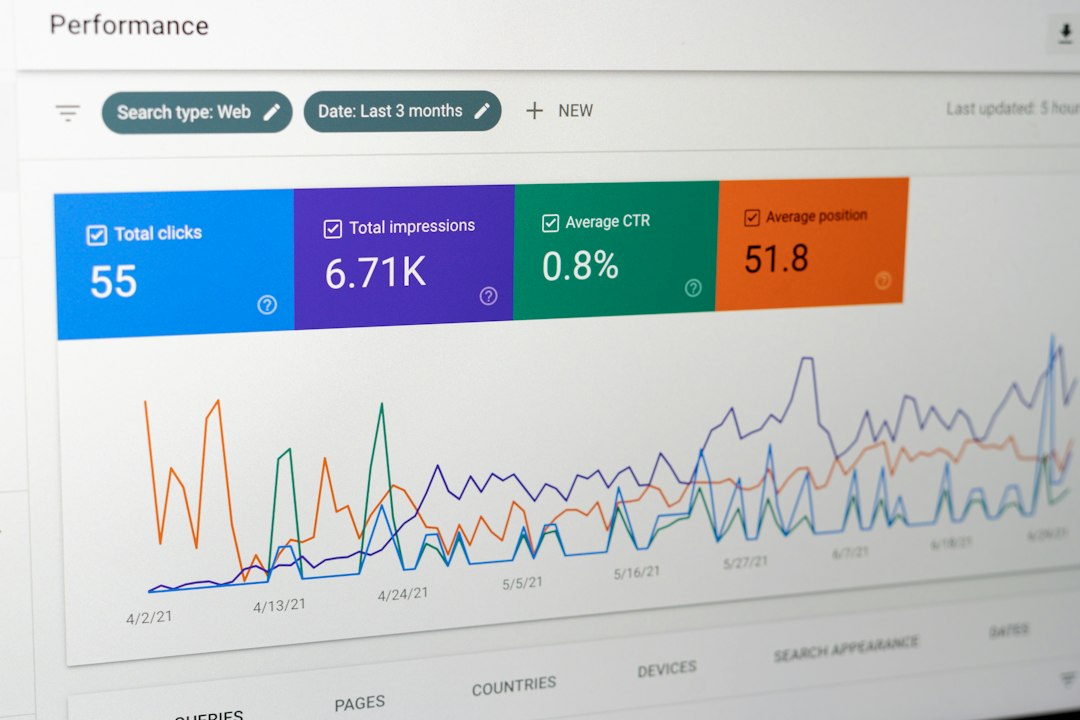
- Conversion rate: Localized landing pages, product descriptions, and checkout flows should improve or maintain conversion compared with source-language benchmarks.
- Bounce rate and time on page: If visitors quickly leave localized pages, the content may not meet expectations or may not feel relevant.
- Customer support volume: A rise in basic questions may indicate unclear translation, incomplete localization, or confusing interface text.
- User satisfaction: Surveys, ratings, and feedback forms can reveal whether local users find the experience natural and trustworthy.
- Market growth: Revenue, sign-ups, downloads, renewals, and repeat purchases show whether localization contributes to business expansion.
These indicators should be interpreted carefully. Poor market performance is not always caused by translation. Pricing, competition, brand awareness, product fit, and distribution also influence results. Still, language quality is often one of the easiest factors to test and improve.
Using Data and Feedback Together
The most reliable measurement systems combine quantitative data with qualitative insight. Analytics can show where users abandon a page, but local feedback can explain why. A button label may be grammatically correct but unclear. A promotional phrase may be linguistically accurate but culturally weak. Direct comments from native users, reviewers, and customer support teams help connect data to practical improvements.
Organizations can also run A/B tests on localized content. For example, two versions of a headline, call to action, or product description can be tested in the same market. This approach is especially useful for marketing localization, where emotional appeal and cultural nuance have a measurable effect on engagement.

Best Practices for a Strong Measurement Program
A mature translation measurement program begins with clear standards. Teams should define what quality means for each content type, create style guides, maintain glossaries, and document approved terminology. Reviewers should use the same criteria so that scoring remains consistent across languages and projects.
Regular audits are also valuable. Sample reviews of published content can reveal recurring issues, outdated terminology, or inconsistencies created by multiple translators. When errors are found, teams should update translation memories, style guides, and reviewer instructions so the same problems do not continue.
Technology can support the process through automated quality assurance checks. These tools can detect missing numbers, inconsistent terminology, broken tags, formatting errors, and untranslated segments. However, automation works best as a safeguard, not as the final authority. Human judgment is still needed to evaluate meaning, tone, persuasion, and cultural suitability.
Conclusion
Translation measurement is both a quality control practice and a business intelligence activity. It helps organizations understand whether localized content is linguistically sound, culturally appropriate, and commercially effective. When teams combine structured review, native-speaker insight, automated checks, and performance analytics, localization becomes a measurable driver of growth rather than a subjective final step.
FAQ
- What is translation quality measurement?
- Translation quality measurement is the process of evaluating translated content against defined criteria such as accuracy, fluency, terminology consistency, tone, cultural fit, and usability.
- How is localization success different from translation quality?
- Translation quality focuses on the language itself, while localization success measures whether the adapted experience performs well in the target market, including engagement, conversions, satisfaction, and retention.
- Which metric is most important for translation quality?
- No single metric is enough. Error severity scores, reviewer feedback, terminology adherence, and user response should be analyzed together for a balanced view.
- Can machine translation be measured the same way as human translation?
- Machine translation can be evaluated with many of the same criteria, but it often requires additional checks for context, tone, and subtle meaning. Human post-editing is commonly needed for high-value content.
- How often should translated content be reviewed?
- Critical content should be reviewed before publication and audited regularly. Less sensitive content may be reviewed through sampling, user feedback, and periodic quality checks.