
The term SLAM method can refer to more than one idea, depending on the field. In workplace safety, education, risk management, and daily decision-making, SLAM is most commonly used as a simple checklist for avoiding hazards. In technology and robotics, SLAM has a completely different meaning: Simultaneous Localization and Mapping.
TLDR: In safety contexts, the SLAM method usually stands for Stop, Look, Assess, and Manage. It helps workers pause before starting a task, identify hazards, judge the level of risk, and take action to control that risk. In robotics and mapping technology, SLAM stands for Simultaneous Localization and Mapping, which describes how machines build maps while tracking their own location.
What Does SLAM Stand For in Workplace Safety?
In workplace safety, the SLAM method is a practical risk-awareness tool. It is often taught in industries such as construction, manufacturing, logistics, mining, maintenance, and healthcare. The goal is to encourage people to think before acting, especially when a task involves machinery, movement, chemicals, heights, electricity, sharp tools, or changing conditions.
The most common version of SLAM stands for:
- Stop
- Look
- Assess
- Manage
Some organizations use the word Analyze instead of Assess, but the meaning is largely the same. Both versions focus on recognizing hazards and making safer decisions before work begins or continues.
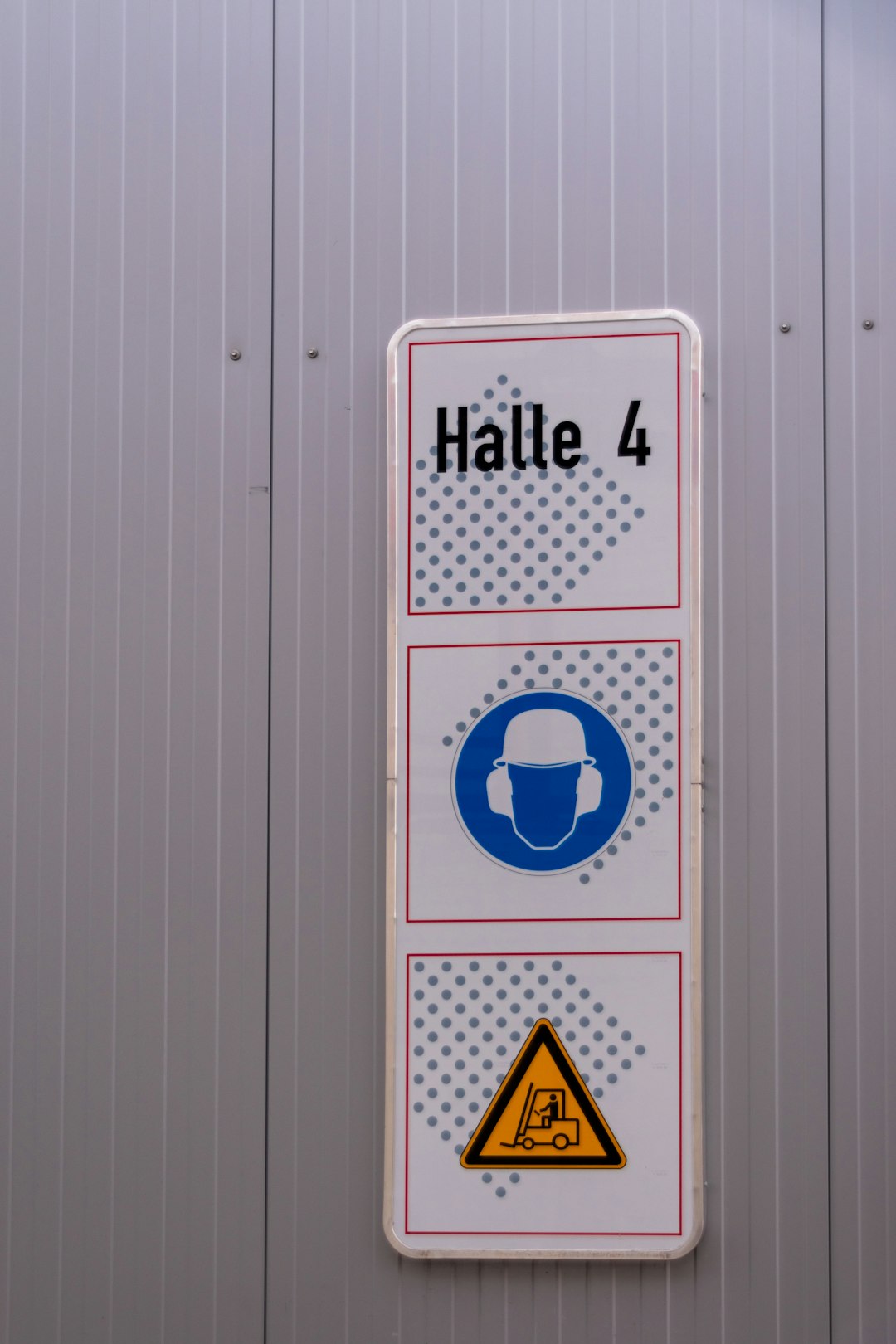
Step 1: Stop
The first step, Stop, means pausing before beginning a task or continuing with one that has changed. This pause does not need to be long, but it should be intentional. A person may stop before lifting a heavy object, entering a restricted area, operating equipment, or responding to an unexpected problem.
This step is important because many incidents happen when people rush, assume conditions are safe, or rely on habit. By stopping, a worker creates a short moment to notice whether anything is unusual, unsafe, or unclear.
Examples of situations that may require stopping include:
- A tool or machine behaving differently than expected
- A spill, loose cable, or blocked walkway appearing in the work area
- Weather, lighting, or visibility changing during outdoor work
- A task being reassigned to someone unfamiliar with the process
- Missing instructions, permits, labels, or protective equipment
Step 2: Look
The second step, Look, involves observing the environment, equipment, people, and task requirements. This step is about identifying what could cause harm. Hazards may be obvious, such as a moving vehicle, exposed wire, or wet floor. They may also be less obvious, such as fatigue, time pressure, poor communication, or an awkward lifting position.
Looking carefully helps a person notice risks before they become incidents. In a team setting, this step may also include checking whether others are nearby, whether they understand the plan, and whether their actions could affect the task.
Common hazards identified during the “Look” stage include:
- Slips, trips, and falls
- Moving machinery or vehicles
- Electrical, chemical, or fire risks
- Manual handling and ergonomic strain
- Noise, dust, heat, or poor ventilation
- Distractions and communication gaps
Step 3: Assess
The third step, Assess, means considering the seriousness of the hazard and the likelihood that it could cause harm. This stage helps determine whether the task can proceed safely, whether controls are needed, or whether the task should be delayed until conditions improve.
During assessment, a person considers questions such as: How severe could the injury or damage be? How likely is the hazard to affect someone? Is the worker trained for the task? Are tools, guards, signs, and protective equipment available? Has the work area changed since the last inspection?
This step turns observation into judgment. It is not enough to see a hazard; the hazard must be understood. For example, a small puddle near a doorway may seem minor, but if heavy foot traffic passes through the area, the chance of a slip increases. A low-hanging cable may seem harmless, but if equipment is being moved nearby, it may create a serious risk.
Step 4: Manage
The final step, Manage, focuses on controlling or removing the risk. This may involve taking immediate action, reporting the hazard, using protective equipment, changing the work method, isolating the area, or stopping the task entirely until it is safe.
Risk management may include several types of controls:
- Elimination: Removing the hazard completely.
- Substitution: Replacing a hazardous material, tool, or process with a safer option.
- Engineering controls: Using guards, barriers, ventilation, or equipment design to reduce risk.
- Administrative controls: Using procedures, training, signs, schedules, and permits.
- Personal protective equipment: Using gloves, helmets, goggles, masks, or other protective items.
The SLAM method is effective because it is simple enough to remember under pressure. It does not replace formal safety systems, but it supports them by encouraging real-time awareness.
Why Is the SLAM Method Important?
The SLAM method is important because it promotes proactive safety. Instead of reacting after an incident, it encourages people to identify and control risks before harm occurs. This can reduce injuries, property damage, downtime, and stress across a workplace.
It also supports a stronger safety culture. When workers, supervisors, and teams regularly use the same method, safety becomes part of everyday decision-making rather than a separate requirement. The method can be used before routine tasks, during unfamiliar work, or whenever conditions change.
What Does SLAM Mean in Robotics and Technology?
Outside workplace safety, SLAM often means Simultaneous Localization and Mapping. This is a technology used by robots, drones, autonomous vehicles, and augmented reality systems. It allows a machine to build a map of an unknown environment while also figuring out where it is within that environment.
For example, a robot vacuum uses SLAM-like technology to learn the layout of a home while tracking its own position. A self-driving vehicle may use sensors, cameras, radar, or lidar to understand surrounding roads, objects, and obstacles. In this context, SLAM is not a safety checklist but a computational method for navigation and spatial awareness.
How to Tell Which SLAM Meaning Is Being Used
The meaning of SLAM depends on context. If the discussion involves workplace hazards, safety training, risk assessment, or incident prevention, SLAM likely means Stop, Look, Assess, Manage. If the discussion involves robots, drones, sensors, maps, or autonomous systems, SLAM likely means Simultaneous Localization and Mapping.
Both meanings share a general theme: awareness of surroundings. The safety version helps people understand and control hazards, while the technology version helps machines understand and navigate environments.
FAQ
What does the SLAM method stand for?
In workplace safety, the SLAM method usually stands for Stop, Look, Assess, and Manage. Some organizations use Analyze instead of Assess.
What is the purpose of the SLAM method?
The purpose is to help people pause, identify hazards, evaluate risk, and take action before an incident occurs.
Is SLAM only used in construction?
No. SLAM can be used in construction, manufacturing, warehousing, healthcare, laboratories, offices, and many other environments.
What does SLAM mean in robotics?
In robotics, SLAM stands for Simultaneous Localization and Mapping. It describes how a machine builds a map while locating itself within that map.
Is the SLAM method a formal risk assessment?
It can support formal risk assessment, but it is usually a quick, practical method used before or during a task.
When should the SLAM method be used?
It should be used before starting work, when conditions change, when a hazard appears, or when a task feels unclear or unsafe.