
Cryptocurrency markets are notoriously volatile, and XRP is no exception. Investors seeking optimal entry points often rely on a combination of technical indicators, on-chain analytics, and macroeconomic signals to time their purchases. While no method can guarantee perfect results, market analysis tools can significantly improve the probability of buying XRP at advantageous levels. Understanding how and when to use these tools is essential for both short-term traders and long-term investors.
TLDR: The best time to buy XRP is typically during periods of market consolidation, oversold technical conditions, or after major support levels have been confirmed. Tools such as RSI, moving averages, volume analysis, and on-chain data provide structured insight into market timing. Investors should avoid emotional decisions and instead rely on data-driven strategies combined with broader market context. Patience and disciplined risk management are key to consistent results.
Understanding XRP Market Cycles
Before attempting to pinpoint the best time to buy XRP, it is crucial to understand its market cycles. Like most digital assets, XRP tends to follow a repeating pattern:
- Accumulation Phase: Price stabilizes after a decline, volatility decreases.
- Markup Phase: Strong upward momentum and increasing trading volume.
- Distribution Phase: Price reaches elevated levels and early investors begin selling.
- Markdown Phase: Decline as selling pressure outweighs buying demand.
Market analysis tools are most effective when used to identify transitions between these phases. Historically, the accumulation phase has presented the most favorable risk-to-reward opportunities for XRP buyers.
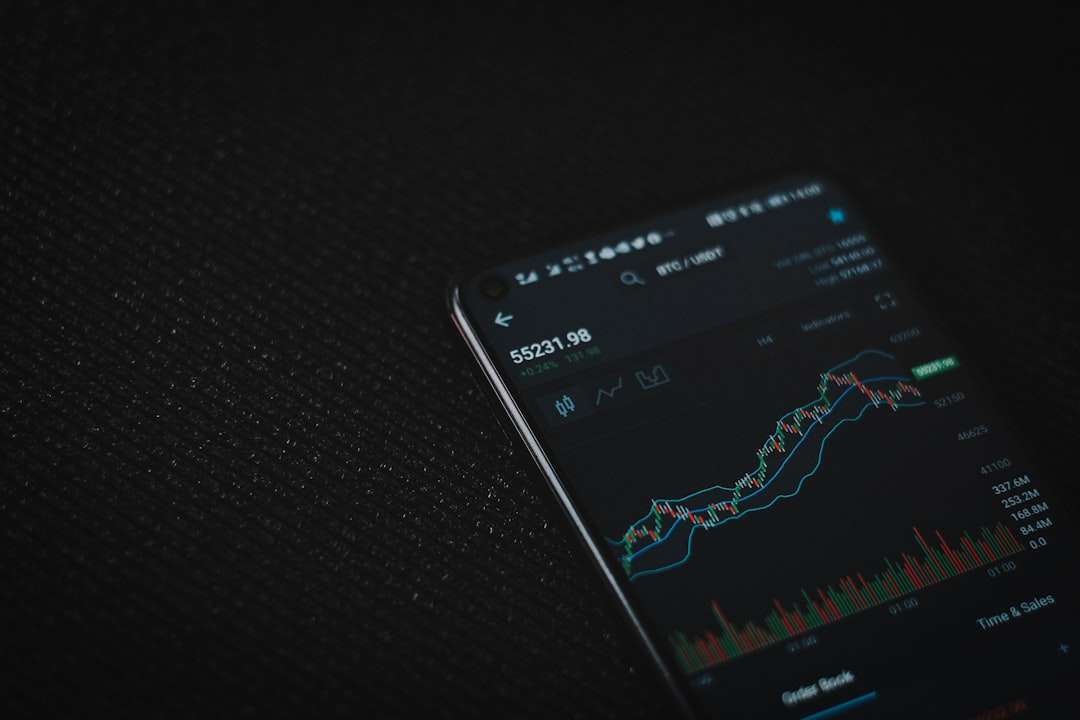
Technical Indicators That Signal Buying Opportunities
Technical analysis remains one of the most widely used methods for timing XRP purchases. Several indicators consistently provide insight into potential entry points.
1. Relative Strength Index (RSI)
The RSI measures momentum and determines whether an asset is overbought or oversold.
- RSI below 30: XRP may be oversold, signaling a potential buying opportunity.
- RSI above 70: XRP may be overbought, indicating caution.
Historically, XRP rebounds often occur after the RSI dips below 30 on higher time frames such as the daily or weekly chart. However, traders should wait for confirmation rather than reacting immediately to a single indicator.
2. Moving Averages (MA)
Moving averages smooth out price fluctuations and help identify overall trend direction. The most commonly used are:
- 50-day moving average
- 200-day moving average
A key signal occurs when XRP’s price reclaims the 200-day moving average after an extended downtrend. This event often indicates a potential long-term trend reversal. Additionally, a golden cross (when the 50-day MA crosses above the 200-day MA) has historically marked strong bullish momentum.
3. Support and Resistance Levels
Horizontal support zones—areas where XRP previously bounced—are among the most reliable buying areas. When price revisits strong historical support with declining selling volume, it often creates an opportunity for accumulation.
Professional traders frequently combine support analysis with RSI and volume confirmation for higher-probability entries.
The Role of Volume and Liquidity
Volume is a critical confirmation tool. A price rebound without strong volume may lack conviction. Conversely, high trading volume at a key support level often signals institutional or large-scale buying activity.
Look for:
- Volume spikes during price reversals
- Decreasing sell volume during pullbacks
- Rising volume during breakouts above resistance
Liquidity conditions across the broader crypto market also influence XRP timing. When total market liquidity expands, XRP often benefits alongside other major digital assets.
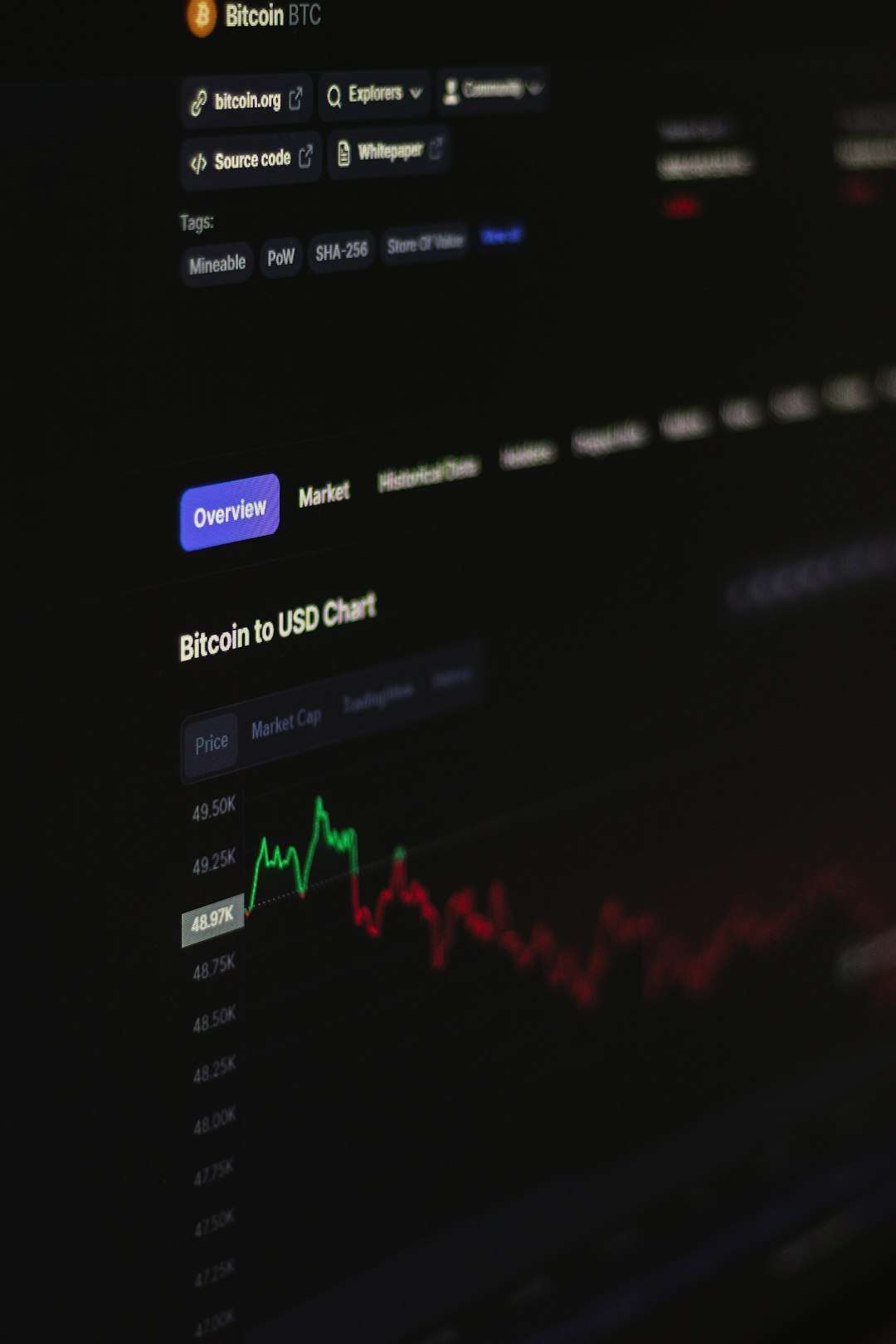
On-Chain Metrics and Whale Activity
Beyond traditional chart indicators, on-chain analysis offers valuable insights into XRP network behavior. While XRP’s blockchain structure differs from some other cryptocurrencies, several metrics remain useful:
- Large wallet accumulation trends
- Transaction volume growth
- Exchange inflow and outflow data
Significant withdrawals of XRP from exchanges into private wallets often suggest long-term holding behavior, which can reduce short-term selling pressure. Conversely, large inflows to exchanges may indicate potential selling activity.
Monitoring so-called “whale” addresses—wallets holding substantial XRP balances—can also provide directional clues. Periods of quiet accumulation by large holders have historically preceded upward price movements.
Macro and Fundamental Considerations
Market timing is not solely about charts. XRP’s price is also influenced by regulatory developments, partnerships, and broader macroeconomic trends.
Key external timing factors include:
- Regulatory clarity or legal resolution developments
- Global interest rate changes
- Bitcoin trend direction
- Institutional adoption announcements
Notably, XRP tends to follow the general momentum of Bitcoin and the wider crypto market. Buying XRP during a confirmed Bitcoin bear market may carry higher short-term risk, even if XRP-specific indicators appear attractive.
Dollar-Cost Averaging vs. Market Timing
While market analysis tools can improve entry points, attempting to perfectly time the bottom is extremely difficult. Many disciplined investors use a hybrid strategy:
- Dollar-Cost Averaging (DCA): Investing fixed amounts at regular intervals.
- Strategic Lump-Sum Buys: Allocating larger amounts during statistically favorable conditions (e.g., oversold RSI and major support levels).
DCA reduces emotional pressure and smooths volatility impacts. Strategic additions during confirmed market weakness can enhance overall cost efficiency.
Identifying High-Probability Time Windows
Based on historical data and common market behaviors, several time windows often provide increased opportunity:
1. Post-Correction Stabilization
After a sharp market correction of 30–50%, XRP frequently enters a consolidation phase. Buying during volatility contraction after panic selling has historically improved risk-adjusted returns.
2. Breakout Retests
When XRP breaks above a long-standing resistance level and later retests it as support, this confirmation can offer a structured entry with defined downside risk.
3. Crypto Market Recovery Phases
Early stages of a broader market recovery—confirmed by higher highs and higher lows on weekly charts—often present strong medium-term opportunities.
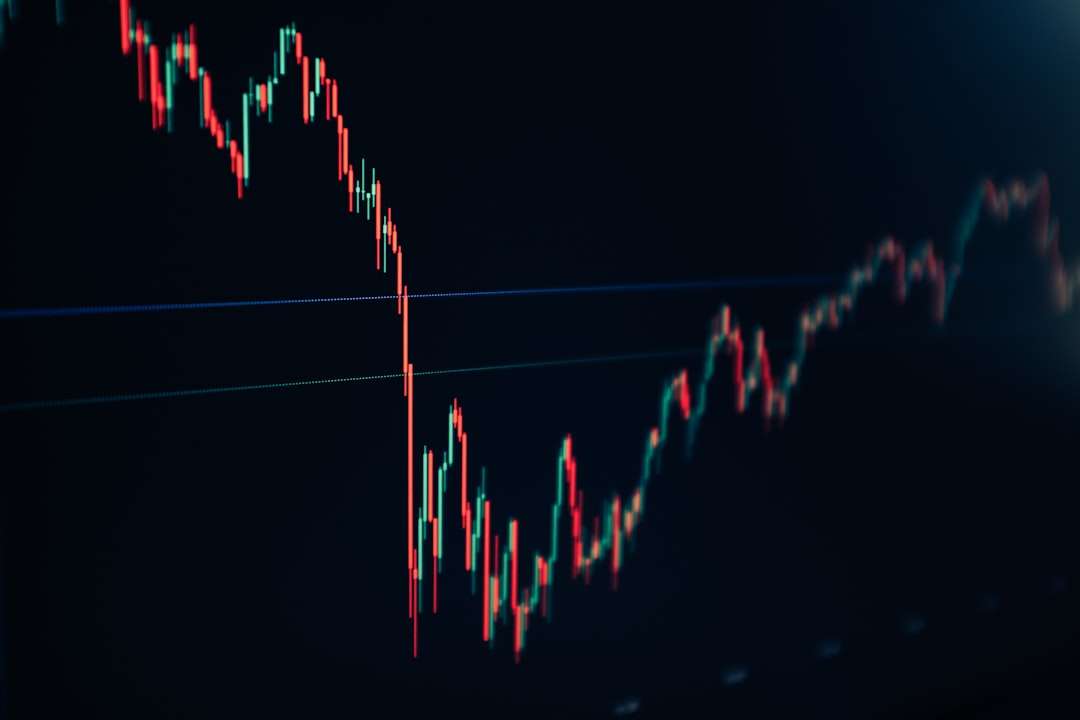
Risk Management Principles
Even the most sophisticated tools cannot eliminate risk. Therefore, determining the best time to buy XRP must always include risk management planning.
- Set predefined stop-loss levels
- Avoid over-leveraging positions
- Limit exposure to a reasonable portfolio percentage
- Diversify across multiple assets
Professional investors focus less on perfect timing and more on favorable probability combined with controlled downside exposure.
Psychological Discipline in Market Timing
Fear and greed remain dominant forces in cryptocurrency markets. Analysis tools provide structure, but emotional discipline determines execution quality.
Common psychological mistakes include:
- Buying during hype-driven price spikes
- Selling during panic-driven crashes
- Ignoring predefined entry criteria
The best time to buy XRP often feels uncomfortable—typically when sentiment is cautious, news coverage is neutral or negative, and volatility has cooled after sharp declines.
Conclusion
Determining the best time to buy XRP is not about prediction—it is about probability. By combining technical indicators, volume analysis, on-chain metrics, and macro context, investors can significantly improve their decision-making framework. Historical patterns suggest that purchases made during oversold conditions, major support retests, and early recovery phases tend to offer stronger long-term value.
Ultimately, successful XRP investing requires disciplined execution, patience, and risk management. Market analysis tools do not eliminate uncertainty, but when applied systematically, they transform speculation into structured strategy.