
In an era where citizens expect government services to be as fast and reliable as private-sector digital platforms, infrastructure matters more than ever. A State-Wide Area Network (SWAN) provides the digital backbone that connects government departments, public agencies, and local institutions into one cohesive ecosystem. By enabling secure, high-speed communication across cities, towns, and rural communities, a SWAN transforms how governments operate and how citizens experience public services.
TL;DR: A State-Wide Area Network connects government offices across an entire state through a unified, secure digital infrastructure. It improves service delivery, enhances data sharing, reduces operational costs, and strengthens cybersecurity. SWANs also enable e-governance initiatives, support rural connectivity, and enhance disaster response capabilities. In short, they modernize government from the inside out.
What Is a State-Wide Area Network?
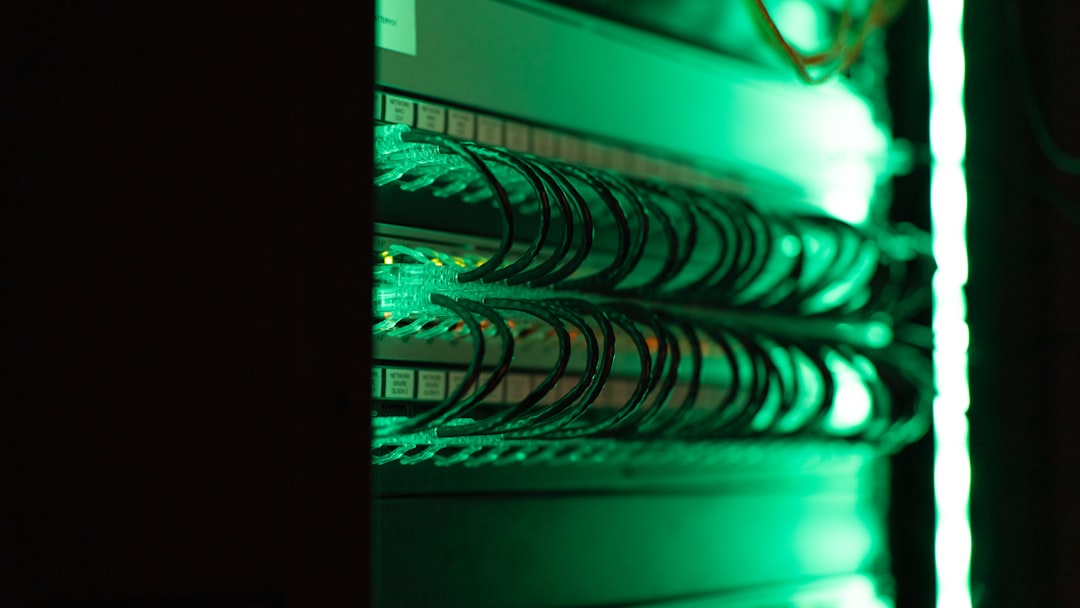
A State-Wide Area Network is a dedicated, high-speed data network that connects state government headquarters with district offices, municipal bodies, educational institutions, healthcare centers, law enforcement agencies, and other public service entities. Unlike fragmented or department-specific networks, a SWAN creates a single integrated communication platform.
This centralized connectivity enables real-time information exchange and standardized digital services across geographic boundaries.
1. Improved Service Delivery for Citizens
One of the most visible benefits of a SWAN is the enhancement of citizen-facing services. From applying for licenses and permits to accessing healthcare schemes, digital platforms rely on stable, fast connectivity.
With a SWAN, governments can:
- Provide faster online application processing
- Reduce paperwork through digital documentation
- Enable real-time tracking of services
- Offer unified portals across departments
For citizens in rural or underserved areas, this can mean the difference between traveling miles to a government office and accessing services online in minutes. The consistent connectivity ensures no region is left behind.
2. Seamless Interdepartmental Communication
Traditionally, government departments often function in silos. This fragmentation can cause inefficiencies, slow response times, and duplication of efforts. A SWAN promotes interoperability by allowing agencies to securely share data and communicate instantly.
Benefits include:
- Unified communication platforms
- Shared databases and cloud services
- Reduced administrative redundancies
- More coherent policy implementation
For example, integration between revenue departments, land records offices, and municipal bodies can streamline property registrations and tax assessments, making processes smoother for both administrators and citizens.
3. Significant Cost Savings
Although building a state-wide network requires an initial investment, the long-term cost benefits are substantial. By consolidating connectivity infrastructure, governments avoid redundant spending on isolated systems.
Cost-saving advantages include:
- Centralized bandwidth procurement
- Reduced maintenance expenses
- Lower communication costs
- Minimized hardware duplication
Instead of multiple departments negotiating separate contracts with service providers, a single statewide contract improves economies of scale and transparency in public spending.
4. Enhanced Cybersecurity and Data Protection
Cybersecurity is a major concern for government institutions. Sensitive citizen data, law enforcement information, healthcare records, and financial records must be safeguarded at all times.
A SWAN can incorporate:
- Centralized security monitoring
- Firewall and intrusion detection systems
- Encrypted data transmission
- Regular security audits
A standardized network architecture allows uniform security policies to be implemented statewide. Central monitoring also makes it easier to detect and respond quickly to cyber threats.
Image not found in postmeta5. Strong Foundation for E-Governance Initiatives
E-governance depends heavily on reliable digital connectivity. Services such as digital identity systems, electronic tax filing, online benefit distribution, and real-time grievance redressal all require robust backend infrastructure.
A SWAN supports:
- Cloud-based public service platforms
- Smart city initiatives
- Digital payment systems
- Centralized service portals
By providing dependable connectivity across all regions, a SWAN ensures digital transformation efforts can be implemented uniformly rather than only in urban centers.
6. Improved Rural Connectivity and Inclusion
Bridging the digital divide remains a challenge in many states. Remote villages often suffer from poor network access, which limits access to information and services.
A SWAN helps by:
- Connecting rural administrative offices
- Enabling telemedicine services
- Supporting digital classrooms
- Facilitating online grievance filing
With state-wide connectivity, even small community centers can become access points for digital public services, increasing inclusion and reducing inequality.
7. Better Disaster Management and Emergency Response
During emergencies—such as floods, wildfires, pandemics, or earthquakes—communication is critical. Fragmented systems can collapse when they are needed most.
A unified statewide network ensures:
- Real-time coordination between emergency services
- Rapid dissemination of alerts and advisories
- Access to shared emergency databases
- Continuity of operations through backup systems
Emergency management teams can coordinate across districts without delays, improving response time and potentially saving lives.
8. Scalability for Future Growth
As populations grow and technology evolves, government infrastructure must adapt. A SWAN is designed with scalability in mind, allowing additional nodes, bandwidth upgrades, and new applications to be integrated seamlessly.
This flexibility ensures the network remains relevant as:
- Digital service demands increase
- New smart technologies are introduced
- Data volumes expand
- Security requirements evolve
Rather than rebuilding systems from scratch, states can expand their network incrementally, preserving investments while staying innovative.

9. Standardization and Policy Uniformity
A SWAN promotes standardized protocols and operational consistency. Uniform technical standards help ensure compatibility across departments and districts.
This standardization results in:
- Consistent software platforms
- Unified communication tools
- Streamlined procurement policies
- Greater transparency
When every department operates on a shared backbone, policy implementation becomes smoother, compliance becomes easier to monitor, and governance becomes more predictable.
10. Environmental and Administrative Efficiency
Digital connectivity through a SWAN reduces reliance on physical paperwork, in-person meetings, and manual processes. This not only improves administrative efficiency but also contributes to environmental sustainability.
Positive impacts include:
- Reduction in paper usage
- Lower travel-related carbon emissions
- More digital file management
- Greater adoption of virtual collaboration tools
By minimizing resource consumption, governments move closer to sustainable operations while improving productivity.
Key Components of a State-Wide Area Network
To understand its value, it helps to look at the core components typically involved in a SWAN:
| Component | Function | Benefit |
|---|---|---|
| Core Network | High-speed backbone connecting major hubs | Fast, reliable statewide data transmission |
| Distribution Network | Connects districts and regional offices | Uniform access across geographic areas |
| Access Network | Links local offices and institutions | Last-mile connectivity for service delivery |
| Data Centers | Centralized storage and application hosting | Secure data management and scalability |
| Security Systems | Firewalls, encryption, monitoring tools | Protection against cyber threats |
Challenges to Consider
While the benefits are substantial, successful implementation requires:
- Strong governance frameworks
- Continuous funding and upgrades
- Skilled IT personnel
- Regular cybersecurity training
Planning, stakeholder alignment, and performance monitoring are essential to ensure the network delivers consistent value over time.
Conclusion
A State-Wide Area Network is more than just a technological investment—it is a strategic tool for modern governance. By connecting departments, empowering citizens, enhancing security, and reducing costs, SWANs form the digital foundation of efficient and transparent public administration.
As governments continue to embrace digital transformation, a robust statewide network becomes not merely beneficial but essential. With thoughtful implementation and sustained commitment, SWANs can redefine the way public services are delivered, making governance faster, smarter, and more inclusive for everyone.