
As organizations scale their applications, infrastructure, and microservices, the need for reliable metrics and monitoring platforms becomes mission-critical. While InfluxDB Cloud has long been a popular choice for time-series data and observability, many companies are evaluating alternative platforms to better match their scalability needs, budget constraints, data architectures, or ecosystem preferences. Whether driven by cost predictability, feature depth, compliance requirements, or integration flexibility, businesses today have several compelling options to consider.
TLDR: Many companies explore alternatives to InfluxDB Cloud due to pricing, scalability, or ecosystem alignment. Platforms like Prometheus with Grafana, Datadog, New Relic, Amazon CloudWatch, and TimescaleDB offer strong capabilities across infrastructure monitoring, observability, and time series analysis. Each solution brings different strengths in integration, visualization, automation, and long term storage. Choosing the right tool depends on your architecture, team expertise, and growth strategy.
Below, we explore five leading platforms organizations frequently evaluate instead of InfluxDB Cloud, along with their strengths, ideal use cases, and tradeoffs.
1. Prometheus + Grafana
For companies seeking an open source, highly customizable monitoring stack, Prometheus paired with Grafana is often the first alternative considered.
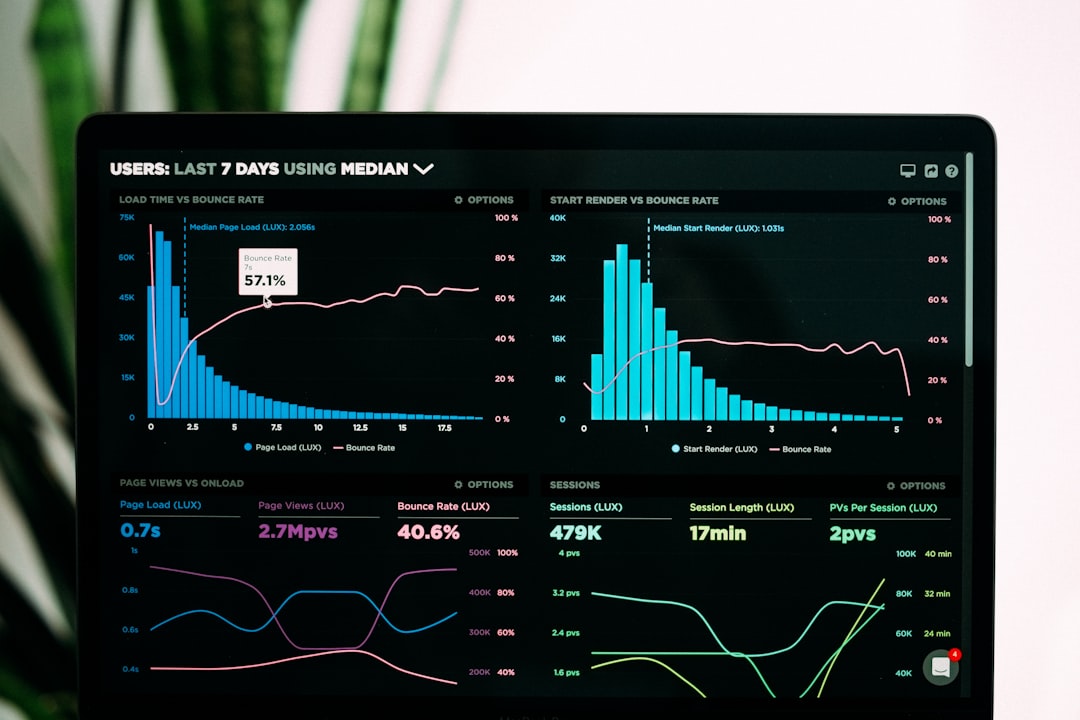
Prometheus is a time series database designed for reliability and scalability. It uses a pull based model for collecting metrics and offers powerful querying through PromQL. Grafana complements it with advanced visualization capabilities, dashboards, and alerting.
Why companies choose it instead of InfluxDB Cloud:
- Fully open source and self hosted flexibility
- Strong Kubernetes and cloud native integrations
- Vast community support and ecosystem plugins
- Highly customizable alerts and dashboards
Best suited for:
- DevOps heavy teams
- Kubernetes native environments
- Organizations preferring infrastructure control
Considerations:
- Requires operational overhead
- Scaling long term storage needs additional tooling such as Thanos or Cortex
While InfluxDB Cloud simplifies setup and management, Prometheus offers freedom and flexibility that many engineering teams value.
2. Datadog
Datadog is one of the most comprehensive observability as a service platforms available today. Unlike InfluxDB Cloud, which focuses heavily on time series metrics, Datadog provides an integrated approach spanning metrics, logs, traces, security monitoring, and real user monitoring.
Why companies switch:
- Unified platform across infrastructure, applications, and security
- Extensive cloud provider integrations
- AI driven anomaly detection
- Prebuilt dashboards and fast onboarding
Datadog is especially appealing to companies that want a single pane of glass rather than stitching together multiple tools.
Best suited for:
- Growing SaaS companies
- Multi cloud deployments
- Teams wanting advanced observability out of the box
Considerations:
- Costs can scale quickly with usage
- Less control compared to self hosted solutions
Many organizations move to Datadog when their monitoring needs expand beyond pure metrics into full stack observability.
3. New Relic
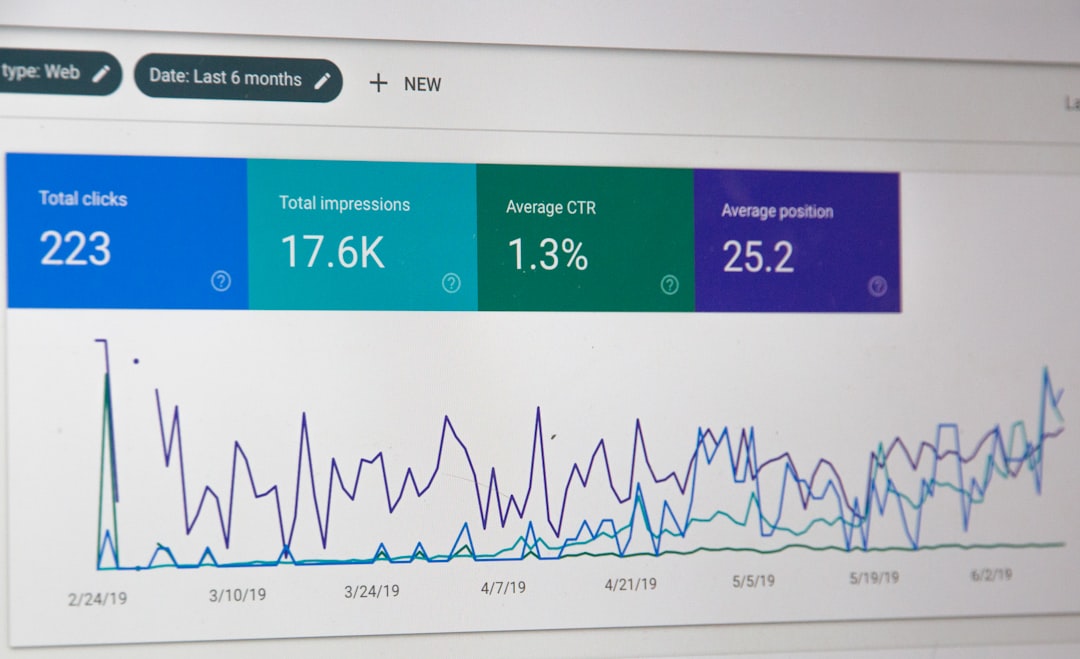
New Relic has evolved from an application performance monitoring tool into a complete observability platform. Its strong focus on developer experience makes it an attractive alternative for teams that want deep application insights combined with infrastructure metrics.
Why organizations explore New Relic:
- Strong APM features for tracing and diagnostics
- Flexible pricing model based on data ingestion
- Integrated logs, metrics, traces, and synthetics
- Powerful querying language (NRQL)
Ideal for:
- Engineering teams troubleshooting complex applications
- Microservices architectures
- Businesses prioritizing developer workflows
Tradeoffs:
- Costs may grow with high telemetry volume
- Heavy feature set may feel excessive for simple use cases
Compared to InfluxDB Cloud, New Relic provides more application layer visibility, making it particularly strong in performance optimization and distributed tracing.
4. Amazon CloudWatch
For AWS centric organizations, Amazon CloudWatch often becomes the natural alternative. It is deeply integrated into the AWS ecosystem, allowing seamless monitoring of compute, storage, databases, and serverless services.
Key reasons companies choose CloudWatch:
- Native AWS integration
- No additional infrastructure management
- Built in logs and event management
- Seamless integration with IAM and compliance controls
Best fit:
- AWS first organizations
- Enterprises with strict governance needs
- Teams running serverless workloads
Limitations:
- Less visualization flexibility compared to Grafana
- Cross cloud monitoring is less seamless
While InfluxDB Cloud can integrate with AWS, companies deeply embedded in the AWS ecosystem often prefer CloudWatch because of its native alignment and simplified management.
5. TimescaleDB
TimescaleDB combines PostgreSQL with time series optimization, offering a relational database foundation for metrics workloads. This hybrid approach attracts companies that want SQL familiarity along with time series performance.
Why it is explored instead of InfluxDB Cloud:
- Full SQL querying capabilities
- Relational and time series data in one system
- Strong compression and long term retention features
- On premises and cloud deployability
Ideal for:
- Data driven organizations
- Teams comfortable with PostgreSQL
- Long term retention and compliance heavy industries
Tradeoffs:
- May require more tuning for performance at high scale
- Less purpose built for real time monitoring than some competitors
TimescaleDB shines in environments where analytics and monitoring overlap, especially when teams want deeper SQL based analysis on historical metrics.
Comparison Chart
| Platform | Deployment Model | Strengths | Best For | Operational Overhead |
|---|---|---|---|---|
| Prometheus + Grafana | Self hosted or managed | Open source flexibility, Kubernetes native | DevOps and cloud native teams | Moderate to High |
| Datadog | Fully managed SaaS | Unified observability, integrations | Multi cloud SaaS companies | Low |
| New Relic | Managed SaaS | APM and developer focused insights | Microservices heavy environments | Low |
| Amazon CloudWatch | Managed within AWS | Native AWS integration | AWS centric businesses | Low |
| TimescaleDB | Self hosted or managed cloud | SQL + time series hybrid | Analytics driven companies | Moderate |
How Companies Decide
Choosing a monitoring platform is rarely about features alone. Companies typically evaluate alternatives based on several strategic factors:
- Total cost of ownership: SaaS tools reduce management burden but may increase data based costs.
- Scalability requirements: High volume telemetry demands efficient ingestion and storage.
- Ecosystem compatibility: Kubernetes, AWS, multi cloud, or on premises environments influence decisions.
- Compliance and governance: Data residency and security requirements matter significantly.
- Team expertise: Some tools require deep DevOps experience, others prioritize ease of use.
For startups, speed and simplicity often drive decisions toward managed solutions like Datadog or New Relic. For infrastructure focused engineering teams, Prometheus may feel more natural. Enterprises with regulatory requirements may lean toward TimescaleDB or tightly integrated cloud native tools.
The Bigger Observability Shift
The broader trend behind companies evaluating InfluxDB alternatives reflects a shift from simple metrics storage to holistic observability ecosystems. Modern architectures produce not only metrics but also logs, traces, events, and user signals. Businesses increasingly want these signals unified rather than siloed.
As distributed systems grow more complex, monitoring platforms are evolving into strategic assets rather than backend utilities. Selecting the right one can directly impact reliability, developer productivity, and customer satisfaction.
Final Thoughts
InfluxDB Cloud remains a powerful and respected solution for time series metrics, but it is no longer the only strong contender. From open source stacks like Prometheus and Grafana to all in one SaaS platforms like Datadog and New Relic, organizations have a wide range of viable alternatives.
The right choice depends less on which tool is “best” and more on which one aligns with your architecture, growth plans, and team capabilities. By carefully assessing operational control, integration needs, budget scaling, and observability depth, companies can select a monitoring platform that not only replaces InfluxDB Cloud but elevates their entire operational strategy.
In today’s data driven world, metrics are more than numbers. They are the heartbeat of modern applications and the visibility layer that ensures systems run reliably at scale. Choosing the right platform to manage that heartbeat is a decision worth thoughtful consideration.