
Time-series data systems power everything from IoT analytics and financial trading platforms to application monitoring and industrial telemetry. QuestDB has gained attention for its high-performance SQL engine and focus on time-series workloads, but it’s far from the only option teams consider. Depending on scalability needs, ecosystem integrations, operational complexity, and budget, organizations often evaluate several alternatives before committing to a long-term solution.
TLDR: Teams comparing QuestDB for time-series workloads often look at InfluxDB, TimescaleDB, Amazon Timestream, ClickHouse, Apache Druid, and Prometheus. Each tool offers different strengths, from cloud-native scalability to deep open-source flexibility and real-time analytics performance. The right choice depends on workload type, query patterns, and operational requirements. Understanding these alternatives helps teams match the database to their actual use case instead of defaulting to brand recognition.
Why Teams Look Beyond a Single Time-Series Database
Choosing a time-series database (TSDB) isn’t just about raw ingestion speed. Modern teams evaluate:
- Query flexibility (SQL vs. custom query language)
- Scalability model (horizontal vs. vertical scaling)
- Cloud-native capabilities
- Ecosystem integrations
- Operational overhead
- Cost and licensing
With those criteria in mind, here are six tools commonly compared instead of—or alongside—QuestDB.
1. InfluxDB
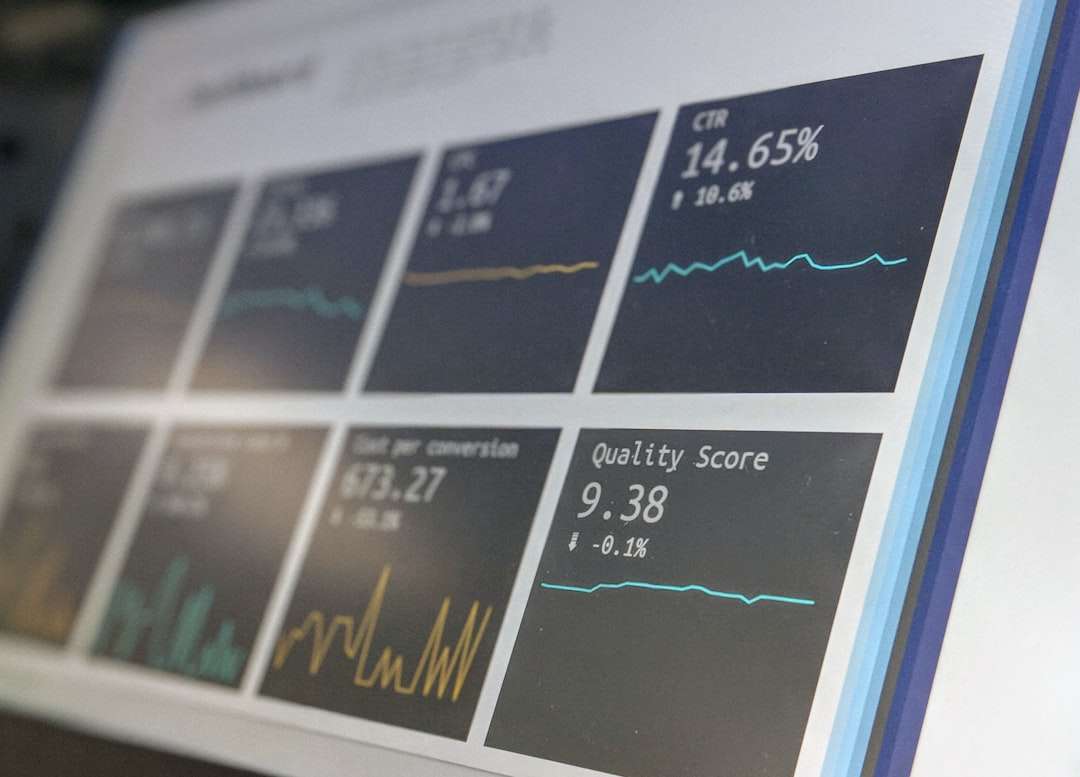
InfluxDB is one of the most recognizable names in the time-series space. Built specifically for time-series data, it offers high ingestion throughput and a purpose-built storage engine.
Why teams consider it:
- Purpose-built time-series storage
- Large ecosystem and community
- Strong support for DevOps and IoT workloads
InfluxDB uses its own query language (Flux, and previously InfluxQL), which can be a pro or con depending on your team’s SQL adoption. Organizations heavily invested in SQL sometimes lean toward SQL-native systems, but those embracing its ecosystem often appreciate its end-to-end tooling, including dashboards and integrations.
Best suited for: Monitoring, IoT data ingestion, event tracking, and DevOps telemetry use cases.
2. TimescaleDB
For teams that want the power of PostgreSQL combined with high-performance time-series capabilities, TimescaleDB becomes a natural comparison point.
TimescaleDB is built as a PostgreSQL extension, meaning developers can use familiar SQL syntax while benefiting from time-based partitioning and compression features.
Why teams consider it:
- Full SQL support
- ACID compliance
- Mature PostgreSQL ecosystem
- Hybrid transactional + analytical workloads
Unlike some purpose-built TSDBs, TimescaleDB allows teams to combine time-series data with relational data without leaving the database environment. That versatility makes it particularly attractive for SaaS platforms that need both transactional and analytical functionality.
Best suited for: Applications needing SQL consistency and mixed workloads.
3. Amazon Timestream
Amazon Timestream is AWS’s fully managed time-series database service. Organizations already committed to AWS infrastructure frequently evaluate it because of its seamless ecosystem integration.

Why teams consider it:
- Serverless architecture
- Automatic scaling
- AWS integrations (Lambda, IoT Core, Kinesis)
- No infrastructure management
Since Timestream is fully managed, operations teams don’t need to worry about provisioning hardware or scaling clusters. However, vendor lock-in and pricing predictability can be concerns for some organizations.
Best suited for: Cloud-native teams firmly embedded in the AWS ecosystem.
4. ClickHouse
Although not exclusively a time-series database, ClickHouse is frequently evaluated for time-series workloads—especially those involving analytical queries at massive scale.
ClickHouse is a columnar database built for OLAP workloads. When paired with time-based partitioning strategies, it becomes a powerful backend for observability platforms and real-time analytics systems.
Why teams consider it:
- Extremely fast analytical queries
- Columnar storage efficiency
- Strong compression
- Scalability for large datasets
While it may require more configuration than plug-and-play TSDBs, ClickHouse shines in environments demanding sub-second queries across billions of rows.
Best suited for: High-volume analytical workloads and event-heavy environments.
5. Apache Druid
Apache Druid is another analytical database often used for event streaming and time-based data analysis.
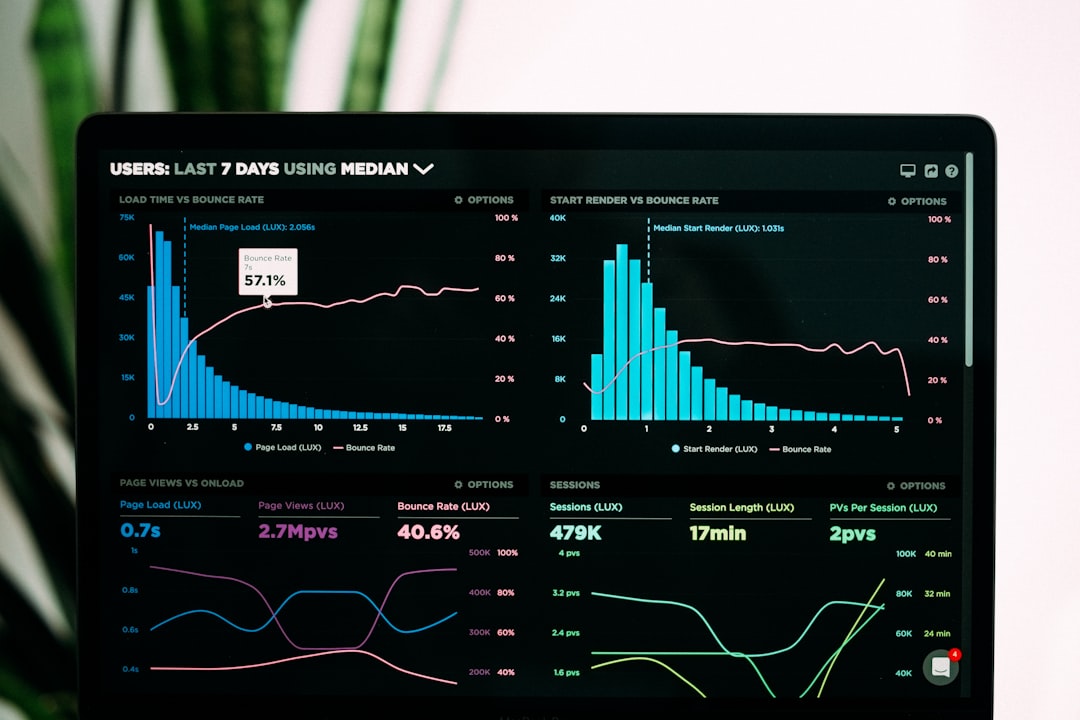
Druid is designed for fast group-by queries and is commonly deployed for user analytics, ad tech platforms, and operational intelligence dashboards.
Why teams consider it:
- Real-time ingestion support
- High concurrency
- Sub-second aggregations
- Integration with Kafka and streaming pipelines
Druid’s architecture includes specialized nodes for ingestion, historical storage, and query brokering, which may increase operational complexity but enables strong performance at scale.
Best suited for: Real-time analytics platforms requiring high ingestion and fast aggregation queries.
6. Prometheus
Prometheus is technically a monitoring and alerting system rather than a general-purpose database, but it frequently appears in time-series comparisons.
Built around a pull-based metrics model, Prometheus excels in cloud-native observability environments. It pairs particularly well with Kubernetes and containerized infrastructures.
Why teams consider it:
- Native Kubernetes integration
- Strong alerting capabilities
- PromQL for powerful time-series queries
- Active open-source community
Prometheus isn’t optimized for extremely long-term storage without additional tooling, so teams often combine it with remote storage solutions.
Best suited for: Infrastructure monitoring and cloud-native environments.
Comparison Chart
| Tool | Primary Strength | Query Language | Best For | Managed Option |
|---|---|---|---|---|
| InfluxDB | Purpose-built TSDB | Flux / InfluxQL | IoT, DevOps monitoring | Yes |
| TimescaleDB | SQL + PostgreSQL ecosystem | SQL | Hybrid transactional workloads | Yes |
| Amazon Timestream | Serverless cloud integration | SQL-like | AWS-native apps | Fully managed |
| ClickHouse | Ultra-fast analytics | SQL | Large-scale analytics | Yes (varies) |
| Apache Druid | Real-time aggregations | SQL / Native | Event analytics | Managed options available |
| Prometheus | Monitoring & alerting | PromQL | Cloud infrastructure monitoring | Often self-managed |
Key Factors to Consider When Comparing
When teams evaluate these tools against QuestDB, the discussion often centers around a few core dimensions:
1. SQL vs. Custom Query Languages
If your engineering team is heavily SQL-oriented, SQL-native databases like TimescaleDB, ClickHouse, and Druid may feel more intuitive. Systems with custom query languages can introduce learning curves.
2. Real-Time vs. Historical Workloads
Some systems excel at real-time ingestion and alerting, while others perform better with high-latency analytical workloads spanning months or years of historical data.
3. Operational Complexity
Self-hosted distributed systems like Druid or ClickHouse may provide flexibility—but require careful cluster management. Managed services like Amazon Timestream simplify operations at the expense of some control.
4. Ecosystem Fit
Organizations often choose what fits their stack. AWS users may gravitate toward Timestream. Kubernetes-heavy teams frequently prefer Prometheus. PostgreSQL environments might lean toward TimescaleDB.
Final Thoughts
QuestDB stands out for performance and SQL-centric design in time-series workloads, but no single tool dominates every use case. Some teams need deeply integrated cloud services. Others prioritize real-time streaming analytics. Some want a pure SQL experience, while others value highly specialized monitoring capabilities.
The six tools outlined here—InfluxDB, TimescaleDB, Amazon Timestream, ClickHouse, Apache Druid, and Prometheus—represent the most common alternatives teams evaluate when building modern time-series architectures.
Ultimately, the right choice isn’t about brand popularity or feature lists. It’s about alignment: workload patterns, team expertise, scalability requirements, and operational tolerance. By understanding how these alternatives differ, teams can design a time-series strategy that’s built for their specific data realities—not just industry trends.