
In the world of backend development, performance optimization is a critical component of delivering fast, reliable, and scalable systems. With modern applications demanding real-time processing and seamless user experiences, backend developers are increasingly relying on artificial intelligence (AI) to automate, analyze, and enhance system performance. AI tools and apps not only simplify debugging and system analysis but also proactively help in identifying performance bottlenecks and recommending solutions.
TL;DR: Backend developers are leveraging AI-powered applications to optimize performance by automating code analysis, identifying bottlenecks, and enhancing system scalability. Top tools like DeepCode, Datadog, and Granulate are becoming indispensable for smart resource allocation and responsive architecture design. These apps also assist in intelligent log analysis and predictive load management. This article explores the top 5 AI applications backend developers rely on for boosting system performance.
1. DeepCode: AI-driven Code Review and Optimization
DeepCode is an AI-powered platform that reviews codebases in real-time, identifying bugs, security issues, and efficiency loopholes. It integrates seamlessly with GitHub, Bitbucket, and GitLab and uses machine learning to learn from millions of open-source projects. Backend developers particularly appreciate DeepCode’s ability to:
- Perform real-time code analysis with precise recommendations.
- Identify redundant logic and inefficient patterns.
- Suggest optimizations based on best practices.
Unlike traditional linters, DeepCode evolves by learning from collective intelligence and provides context-aware suggestions that go beyond syntax.
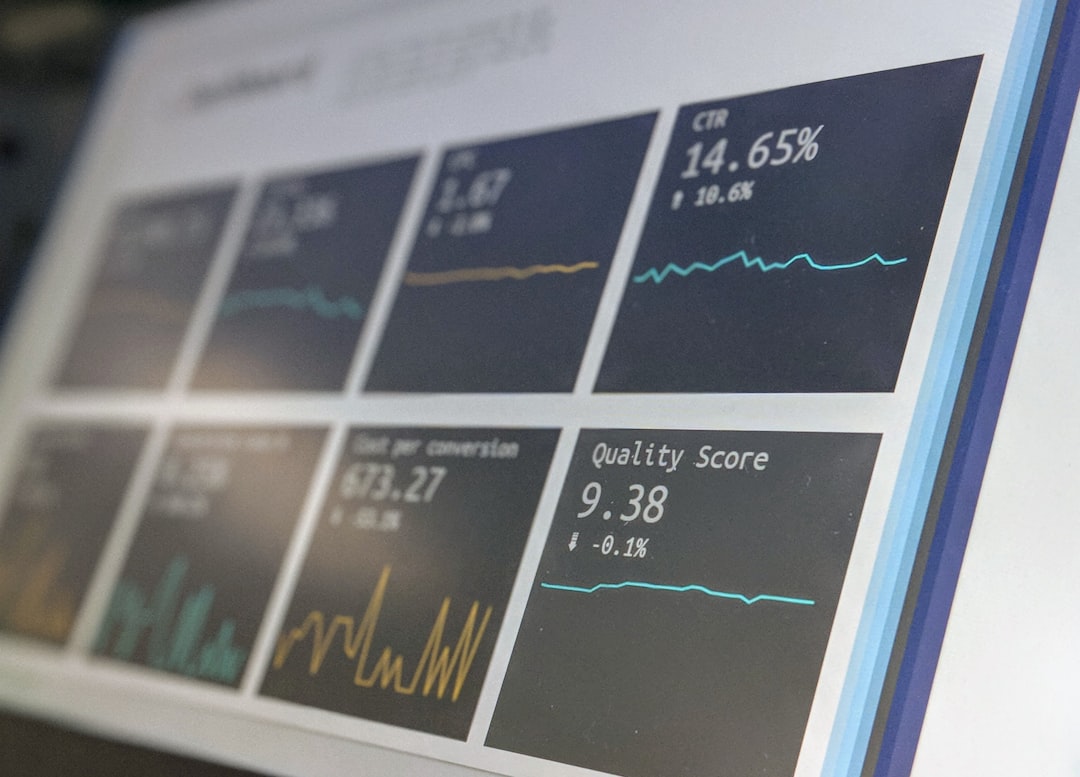
Why it matters: Using DeepCode means faster code reviews, fewer bugs pre-deployment, and significantly lower technical debt over time. It also complements CI/CD processes by streamlining the code quality checks automatically as part of your build pipelines.
2. Datadog APM: Intelligent Performance Monitoring and Alerting
Datadog’s Application Performance Monitoring (APM) platform uses AI to provide a comprehensive overview of system performance, focusing on service-level monitoring, distributed tracing, and telemetry. It collects logs, metrics, and traces from running services and uses anomaly detection and machine learning to expose inefficient services, slow response times, and error trends.
Key features include:
- End-to-end distributed tracing to correlate backend behavior with performance.
- Dynamic alerting using ML algorithms to avoid alert fatigue.
- Automatic root cause identification for downtime or lag incidents.
Datadog helps developers not only see what went wrong but also why it happened, by linking together logs, errors, and performance metrics into a single view powered by AI inference.
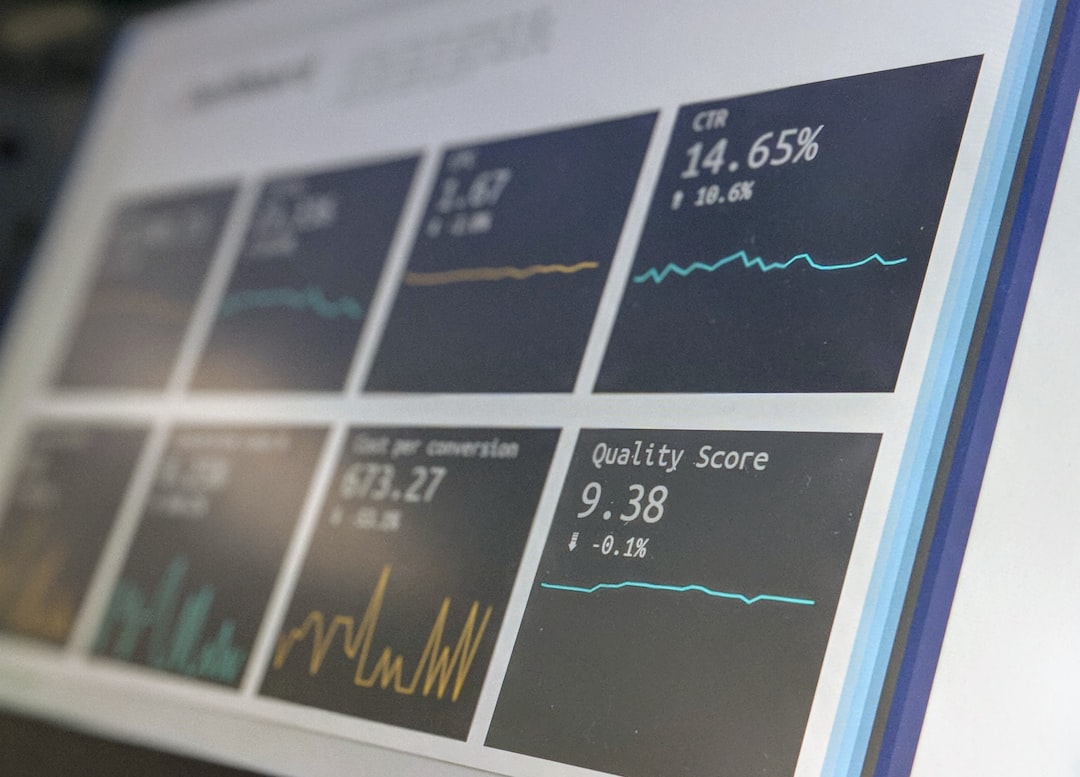
Why it matters: With its AI-driven analytics and integration capabilities across the tech stack, Datadog allows teams to make data-backed performance decisions, reduce downtimes, and proactively respond to infrastructure issues.
3. Granulate: Real-Time Continuous Optimization
Granulate uses AI-driven workload optimization to reduce latency and improve throughput in real-time. It works by installing intelligent agents that observe how applications behave under different loads and then automatically allocate resources based on traffic fluctuations. With zero code changes required, it’s a favorite among backend teams who prioritize agility and efficiency.
Main benefits:
- Reduces CPU usage and infrastructure costs by up to 40%.
- Improves server response time and task completion latency.
- AI scheduler predicts and adjusts system behavior ahead of overloads.
Why it matters: Granulate provides backend systems with a kind of “autopilot” that continuously seeks the most efficient way to handle current workloads. This means optimized performance without manual tuning or speculative scaling decisions.
4. Splunk Observability Cloud: Intelligent Log Analysis and Correlation
Splunk has evolved from log management to a full observability and AIOps suite. Backend developers benefit from its AI capabilities in real-time log parsing, automated root cause analysis, and dynamic metric correlation. Splunk’s machine learning models detect anomalies across massive volumes of log data, making it easier to diagnose performance problems before they escalate.
Noteworthy features:
- AI-based log pattern recognition to discover unknown issues.
- Correlation of logs, infrastructure metrics, and traces into a single timeline.
- Noise reduction in alerts using predictive thresholds and context-aware detection.
Why it matters: Instead of having to manually sift through volumes of logs, backend developers get actionable insights. Splunk essentially acts as an intelligent assistant, sorting through data chaos to show the most relevant performance-affecting events.
5. Google Cloud’s Active Assist: AI Recommendations for Cloud Resource Optimization
Active Assist is a suite of AI-powered features within Google Cloud that provides smart recommendations to optimize cloud asset performance and cost efficiency. It analyzes usage patterns to suggest ways to right-size compute resources, clean up unused services, or reconfigure networking for better performance. Backend developers using Google Cloud Platform (GCP) benefit from:
- Machine-learning-based optimization recommendations.
- Intelligent IAM and service usage analysis to improve security and reduce overhead.
- Proactive alerts for resource saturation or configuration inefficiencies.

Why it matters: In complex cloud-native backend systems, inefficiencies in configurations can silently drain money and degrade performance. Active Assist’s AI proactively highlights these issues, enabling developers to focus on building rather than endlessly tuning infrastructure.
Conclusion
AI is revolutionizing the way backend developers optimize systems. With tools like DeepCode, Datadog, Granulate, Splunk, and Google Active Assist, developers are now equipped with intelligent assistants rather than just monitoring dashboards. Whether it’s reviewing code for performance snags, auto-scaling based on usage patterns, or correlating logs with CPU spikes, AI significantly enhances backend performance optimization workflows.
The key takeaway? Smart tools lead to smarter systems — and these five AI apps are empowering developers to deliver faster, leaner, and more reliable backend infrastructure.
Frequently Asked Questions (FAQ)
-
Q: Are these AI tools only for large-scale backend systems?
A: No, they cater to a range of systems from startups to enterprise-level applications. Each tool scales according to system complexity and size. -
Q: Do these applications require machine learning knowledge to operate?
A: Most of them are designed to be plug-and-play, abstracting the AI complexity from the user so developers can focus on insights rather than algorithms. -
Q: How secure is it to give access to AI tools like DeepCode or Splunk?
A: These tools adhere to enterprise-grade security protocols. Still, always validate access controls and review documentation before integrating into production environments. -
Q: Can these tools integrate into DevOps pipelines?
A: Yes, most of these apps offer APIs and plugins for Jenkins, CircleCI, GitHub Actions, and other CI/CD platforms for seamless integration. -
Q: Do I need to use all five tools together?
A: Not necessarily. Each serves a unique purpose — choose based on your specific performance goals, tech stack, and infrastructure needs.